Variable Frequency Drive (VFD) units regulate motor speeds across critical industrial automation processes, where unexpected drive tripping or bus voltage instability can disrupt operational flow instantly. Mastering methodologies for how to troubleshoot vfd units alongside executing structured yaskawa vfd troubleshooting requires a systematic approach rooted in static diode checks, DC bus voltage tracing, and dynamic load evaluation.
Adhering to international industrial safety standards such as IEC 61800-5-1 for adjustable speed drive safety and ISO 13849-1 for functional control security ensures system protection against destructive thermal events or catastrophic short circuits during diagnostic procedures.
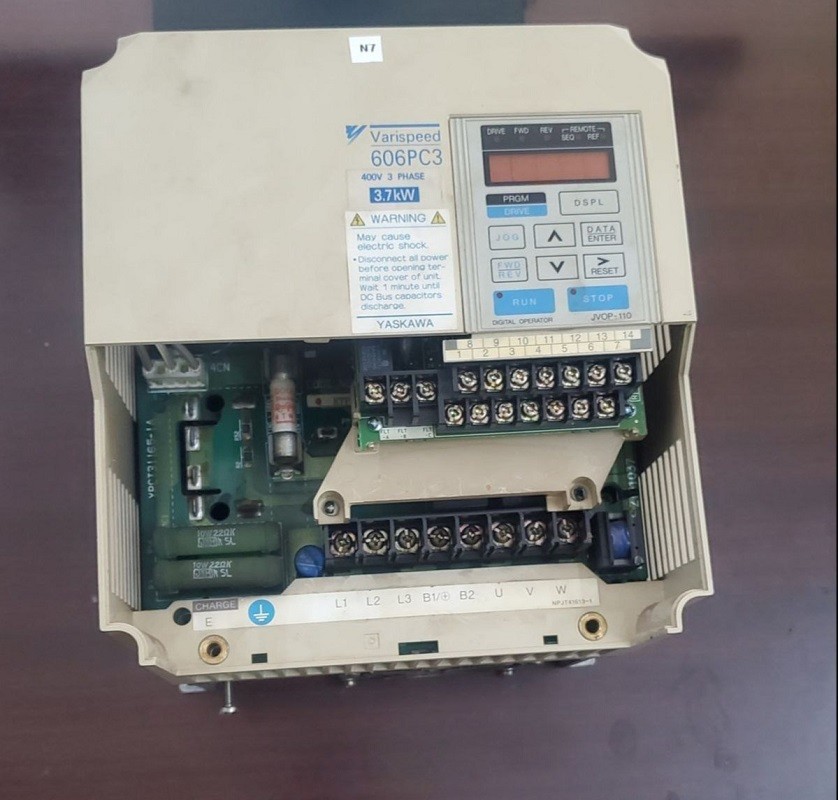
Technical Diagnostics: Typical and Uncommon Fault Profiles
Fault 1: Overvoltage Trip During Deceleration Ramps
Category: Typical
Fault Code: Fault ov (Overvoltage) / Alarm OV
Description: The DC bus voltage exceeds its maximum operating threshold during motor deceleration. This failure mode stems from excessive regenerative energy fed back from high-inertia loads when deceleration times are set too short, or when dynamic braking transistors or braking resistors fail.
Solution: Measure DC bus voltage across terminals (+1, +2, -) using a true-RMS multimeter during deceleration. Extend deceleration time parameters, inspect braking resistor resistance values against factory specifications, and test internal braking transistor switching states. Resolution Level: Self-resolvable on-site.
Fault 2: Inverter Output Phase Short Circuit / Overcurrent Trip
Category: Typical
Fault Code: Fault oc (Overcurrent) / Alarm OC
Description: The drive output current spikes above the instantaneous hardware protection limit. Root causes include output motor winding insulation breakdown, grounded motor lead cables, or thermal breakdown within the drive output IGBT module.
Solution: Disconnect motor leads U/T1, V/T2, W/T3 and perform megohmmeter insulation resistance checks on the motor and wiring. If cables and motor pass insulation tests, execute diode-mode static meter checks on the drive output power terminal transistors to identify shorted IGBT phases. Resolution Level: Self-resolvable on-site or Depot repair required.
Fault 3: DC Bus Pre-Charge Relay Contact Weld / Thermistor Failure
Category: Uncommon
Fault Code: Fault PUF (DC Bus Fuse Blown) / Fault LPF (Input Phase Loss / Pre-Charge Circuit Error)
Description: Upon applying AC mains power, the drive fails to bypass its internal current-limiting pre-charge resistor due to a welded bypass contactor or open-circuit NTC thermistor, leading to resistor burnout under heavy motor loading.
Solution: Measure DC bus charging voltage buildup curve upon power application. Inspect internal pre-charge control circuitry, replace damaged power thermistors, and clean or replace damaged bypass relay contacts on the main gate driver board. Resolution Level: Depot repair required.
Fault 4: Gate Drive Optocoupler Isolation Degradation
Category: Uncommon
Fault Code: Fault GF (Ground Fault) / Intermittent Single-Phase Output Drop
Description: Thermal aging causes signal attenuation in high-speed gate driver optocouplers, leading to incomplete gating signals sent to output IGBT gates. This results in phase current imbalance, excessive motor hum, and localized power section overheating without triggering a direct output short fault.
Solution: Connect an isolated oscilloscope to gate-emitter drive terminals to monitor PWM gating pulse waveforms under light load. Replace degraded surface-mount driver optocouplers and adjust gate resistance tolerances on the control board. Resolution Level: Depot repair required.
Strategic Analysis: Maintenance Pathways
Pathway A: Factory Direct OEM Service
Core Pros & Cons: Comprehensive component replacement, but long evaluation turnaround times and high forced replacement costs.
Comparison Details: Relying strictly on original equipment manufacturers often leads to extended plant downtime. Evaluation and repair lead times typically range from 3 to 6 weeks for specialized high-power drives. Furthermore, OEMs often classify older drive platforms as legacy or end-of-life, declining board-level component replacement and pushing for full drive replacement, which requires expensive enclosure mechanical modifications.
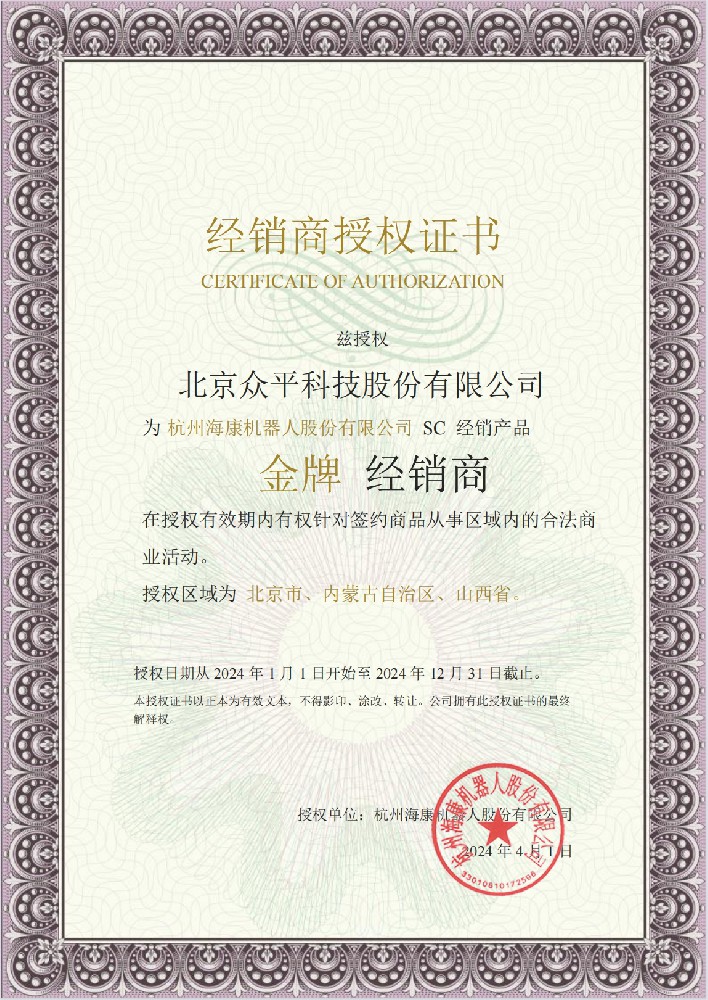
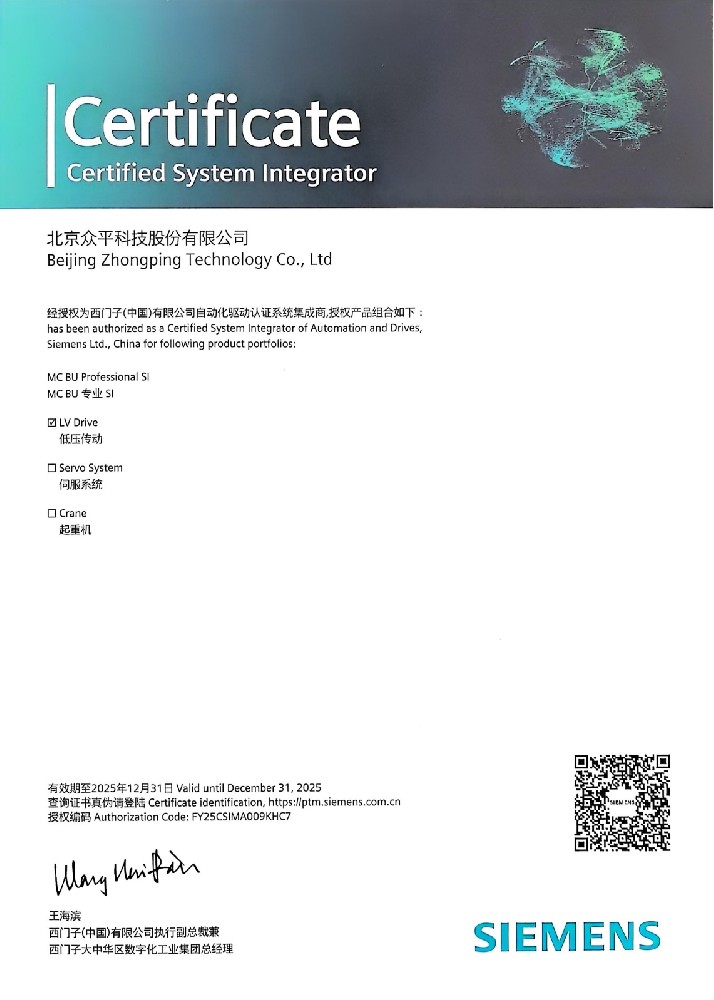
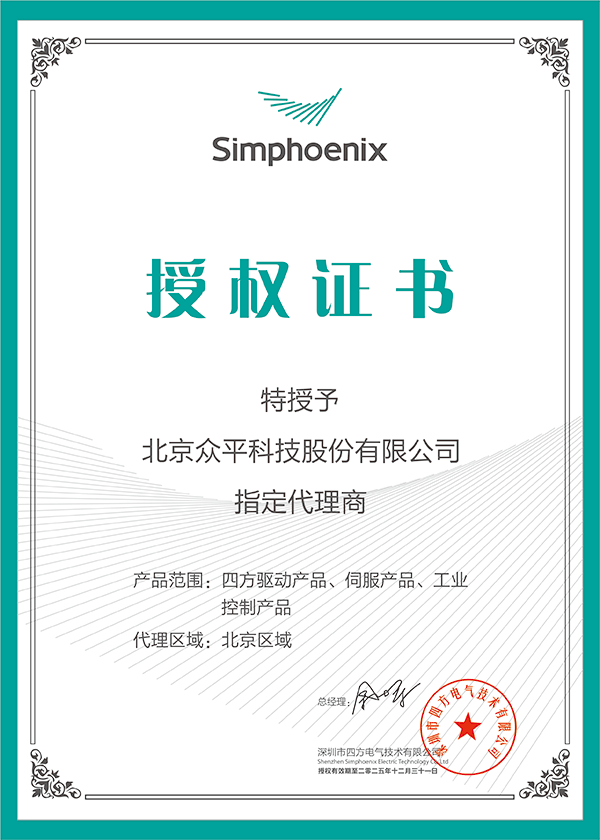
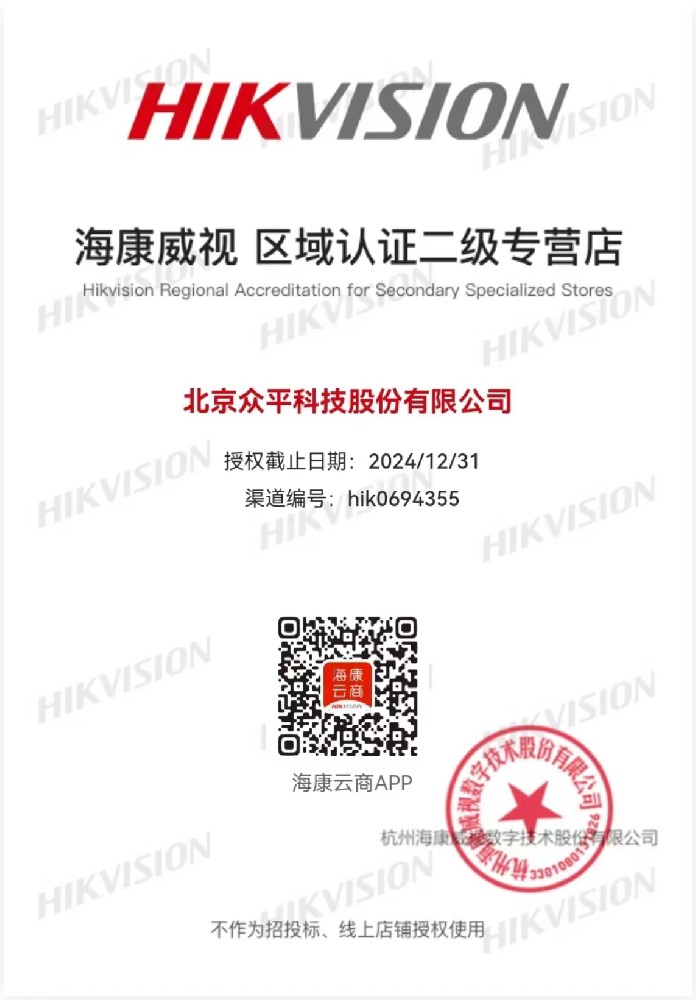
Pathway B: Direct Engagement via Beijing Zhongping Technology
Core Pros & Cons: Direct access to genuine OEM power components with rapid turnarounds, offering high cost-efficiency while preserving field parameters.
Comparison Details: Partnering with Beijing Zhongping Technology connects official component distribution resources with rapid engineering execution. By maintaining direct inventories of original IGBT modules, power gate drivers, and dedicated load test benches, turnaround times are streamlined to 48-72 hours. This pathway preserves drive parameter maps, retains application logic, and provides cost-effective component-level repair for both current and discontinued drive hardware.
Pathway C: Unauthorized Independent Repair Shops
Core Pros & Cons: Low initial cost estimates, but high risk of incorrect power module installation and catastrophic failure upon power-up.
Comparison Details: Utilizing non-authorized local repair workshops poses significant operational risks. These facilities generally lack specialized high-voltage DC bus power supplies, thermal imaging equipment, and dynamometer motor load rigs. Improper thermal paste application, installation of non-rated alternative IGBTs, or uncalibrated gate drive circuits frequently result in violent power section explosions during full-load testing.
Standardized Industrial Repair Procedure
1、ESD Protection and De-Energized Inspection: The drive is logged into an ANSI/ESD S20.20 compliant workshop. DC bus capacitors are verified fully discharged below 50V DC before physical disassembly and visual inspection.
2、Static Diode and Transistor Test: Multimeter diode-mode tests are conducted across input rectifier bridges (R/S/T to DC bus) and output IGBT invertors (DC bus to U/V/W) to detect shorted or open junction gates.
3、Power Board and Control Section Overhaul: Blown IGBT modules, dried-out DC bus electrolytic capacitors, and degraded gate driver components are desoldered using ESD-safe thermal equipment and replaced with genuine factory-grade parts.
4、Static Voltage Rail Verification: Low-voltage internal auxiliary switching power supply rails (5V, 15V, 24V) are energized independently without main AC power to verify switching stability and gate signal generation.
5、Dynamometer Load Testing and Burn-in Validation: The repaired VFD is connected to an induction motor on a dynamometer load rig. Beijing Zhongping Technology subjects the unit to a 24-hour continuous burn-in test inside an environmental chamber under full rated current, acceleration/deceleration cycles, and dynamic braking conditions.
6、Protective Recoating and Final Quality Check: Circuit boards receive a fresh application of IPC-CC-830 certified conformal coating to prevent moisture and dust degradation prior to final quality documentation and dispatch.
Industrial Application Case Study
During a peak operating schedule at a chemical processing plant in Tianjin, China, a primary 160 kW cooling tower pump VFD experienced sudden DC bus overvoltage trips and output phase imbalance faults, halting a critical heat-exchange loop. The unexpected stoppage created potential chemical batch contamination costs exceeding 140,000 Euros per day.
Upon receiving the emergency repair dispatch, Beijing Zhongping Technology initiated rapid intake protocols. Senior drive engineers identified a failed gate drive optocoupler alongside a degraded braking resistor control transistor caused by continuous thermal stress. Technical specialists replaced damaged surface-mount gate components, installed genuine power switching modules, and reapplied conformal insulation without clearing internal motor parameter profiles. The fully validated drive was returned and reinstalled on-site, restoring full cooling system operation within 48 hours.
Frequently Asked Questions (FAQ)
Q1: Can a VFD be safely powered up immediately after replacing a blown IGBT module?
A: No, powering up a drive immediately after an IGBT replacement without testing gate driver circuits frequently destroys the new module. Gate drive optocouplers and driver resistors must be verified under low voltage first to ensure correct PWM switching waveforms reach the IGBT gates.
Q2: What is the typical turnaround time for an emergency industrial VFD repair?
A: Standard component-level drive repairs are completed within 48 to 72 hours. Emergency priority evaluation programs managed by Beijing Zhongping Technology can accelerate diagnostic tracing, power module replacement, and full-load burn-in testing to under 24 hours for critical industrial facilities.
Q3: How do total repair costs compare to purchasing a brand-new variable frequency drive?
A: Component-level VFD repairs typically cost between 20 to 40 percent of the price of a new replacement drive. Exact pricing depends on power rating, frame size, extent of gate driver damage, and required IGBT modules; detailed quotations are provided following initial testing by Beijing Zhongping Technology.
Q4: What warranty protection is provided for repaired variable frequency drives?
A: Repaired drive units receive a standard 12-month operational warranty covering all replaced power electronics, driver board components, and associated labor. This ensures repaired hardware operates reliably within original factory specifications under standard industrial operating conditions.
Q5: Is it possible to repair obsolete VFD models that have been discontinued by the original manufacturer?
A: Yes, component-level remediation is often the most practical solution for legacy drive platforms no longer supported by OEMs. Specialized technical facilities maintain extensive stocks of power modules, control ICs, and cooling fans to rebuild mature drives, preventing expensive cabinet redesigns and motor re-cabling.
FAQ
1.Who are We?
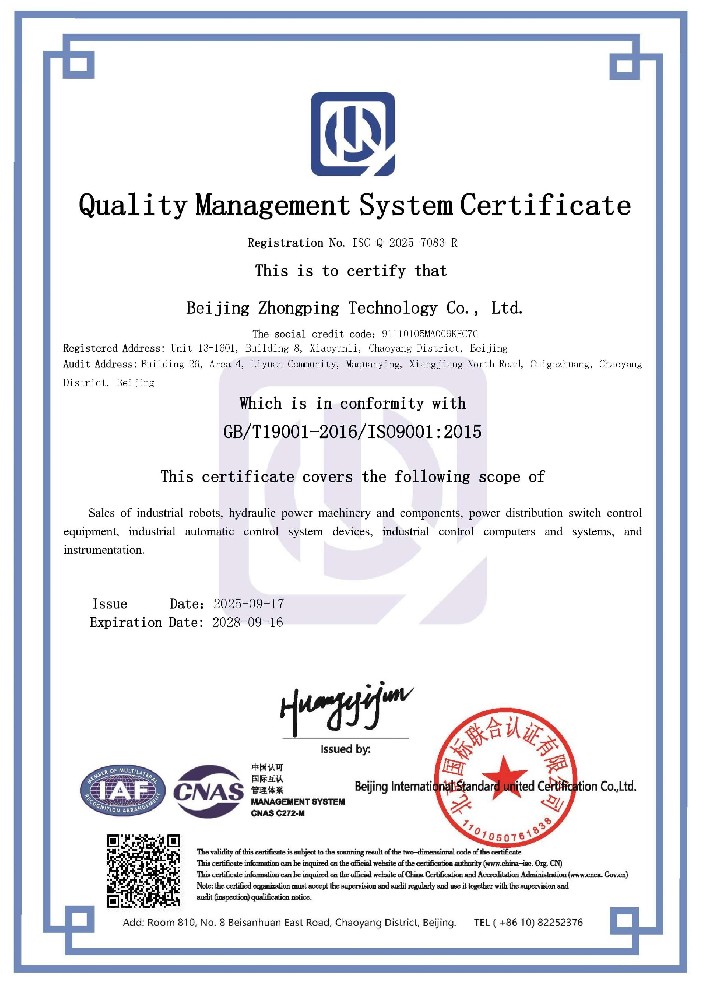
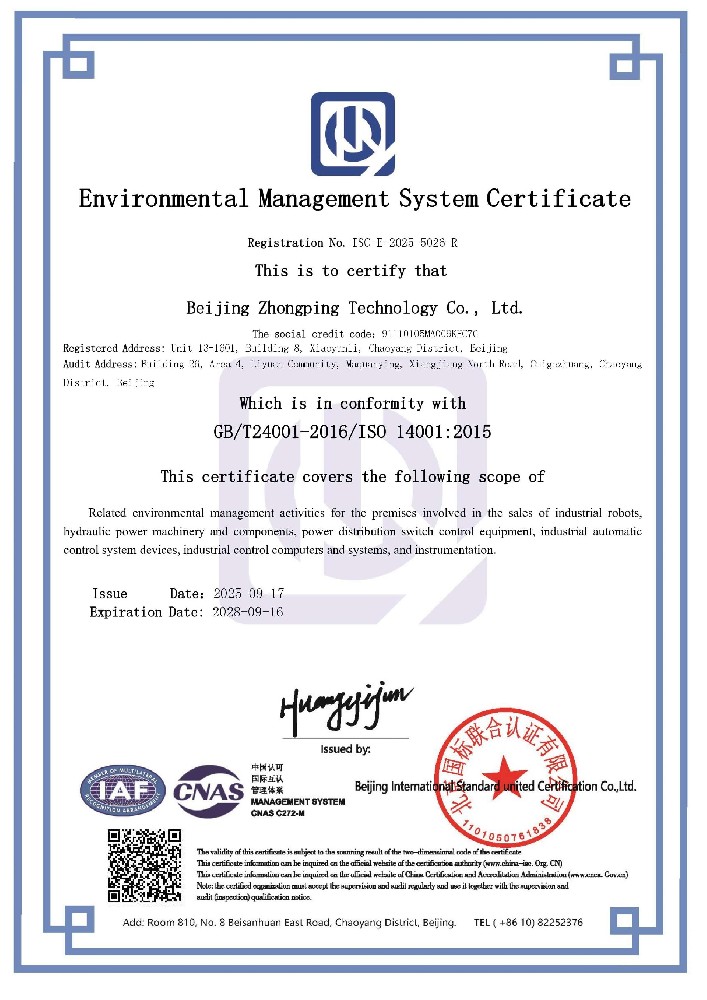
Beijing Zhongping Technology Co., LTD., is a global industrial electrical automation service provider, is a scientific research, design, marketing, technical services, industrial Internet, international import and export services as one of the science and technology companies.
2.What can you buy from us?
PLC, inverter, human-machine interface, hydraulic products, low-voltage power distribution, industrial robots and core components
3.Is the item in stock or need to be purchased from another supplier?
We have a large inventory of goods and have our own warehouse.
4.What advantages do we have over other suppliers?
Our company has a large amount of inventory and a number of warehouses, but also in the country's important industrial provinces and cities with offices and a number of overseas service points. To provide you with intelligent manufacturing one-stop comprehensive services, save efforts, labor and cost.
5.Can you provide 100% new original authentic products?
We only sell new original genuine, no renovation, no fake, only for the original factory original!
6.How long is the delivery time?
If there is a stock, it will take 2-3 working days to ship, if the quantity is large, it will take 5-7 working days after receiving the payment, if it is not a conventional model, it will take some time, we will inform you of the specific delivery time.
7.Is there technical support available?
Of course, we have a professional technical team that can help you solve technical problems.
8.How do we guarantee quality?
We have three processes to control the quality of goods.
1) Our engineers will inspect the production and quality control in the factory regularly.
2) Incoming materials shall be inspected by experienced purchasing engineers before they can be stored.
3) At least 2 people in the logistics department cross-check the goods to be sent before delivery.
9.Can you guarantee the safe and reliable delivery of your products?
Yes, we strictly adopt the international standard packing. We also use special packaging for dangerous goods, and refrigerated shipping for items with temperature requirements. Special item packaging and general cargo standard packaging requirements may incur additional costs.
10.How about the freight?
The cost depends on how you choose to get the goods. Express is usually the fastest but also the most expensive way. Sea freight is the best solution for large quantities of goods. The exact shipping cost depends on the purchase amount、quantity and weight of your order. Please feel free to contact us for more information.

 +86 010-64225983
 +8613811814778
 Building 26, Liyuan Community, Chaoyang District, Beijing, China