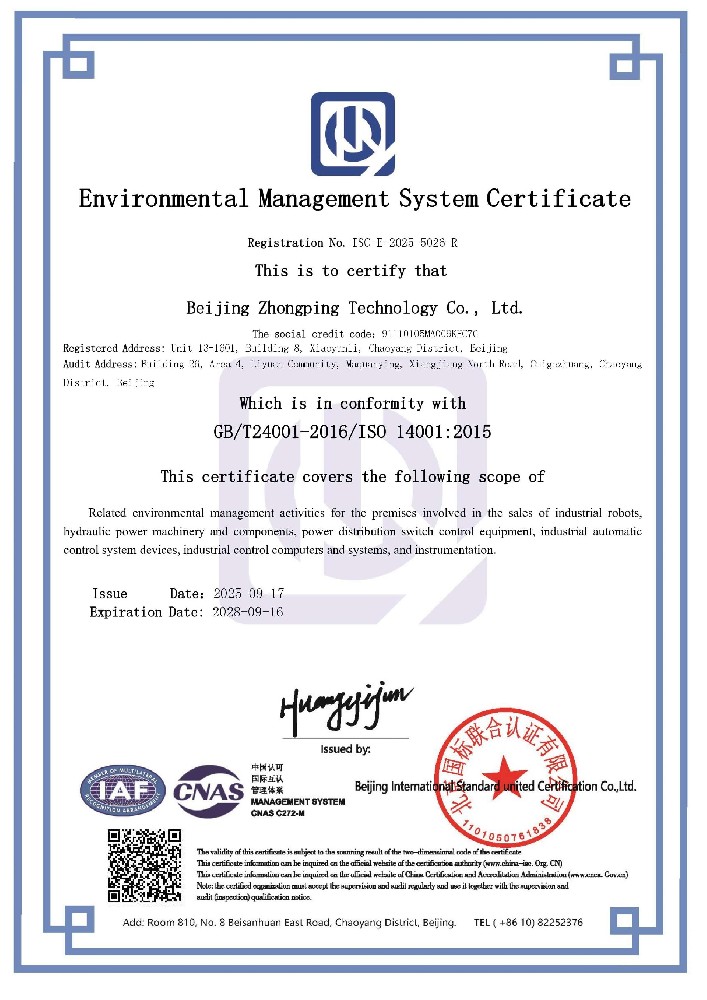
In highly automated manufacturing ecosystems, the Programmable Logic Controller (PLC) acts as the central intelligence hub, orchestrating synchronous signals across networks of drives, sensors, and actuators. When an unexpected control loop disruption occurs, executing precise plc troubleshooting methodologies and accessing plc repair services becomes paramount to preventing systemic operational standstills.
High-density digital architectures, such as the Rockwell Automation Allen-Bradley ControlLogix, Siemens SIMATIC S7-1500, or Schneider Electric Modicon series, rely on ultra-stable processing environments that must rigorously adhere to international electrical and safety benchmarks, including IEC 61131-3 (programmable controllers) and IEC 60204-1.
Hasty component swapping or ungrounded diagnostics without adequate electrostatic shielding frequently induce catastrophic latent failures within the multi-layer printed circuit boards (PCBs), permanently corrupting central processing unit (CPU) registers or flashing memory segments.
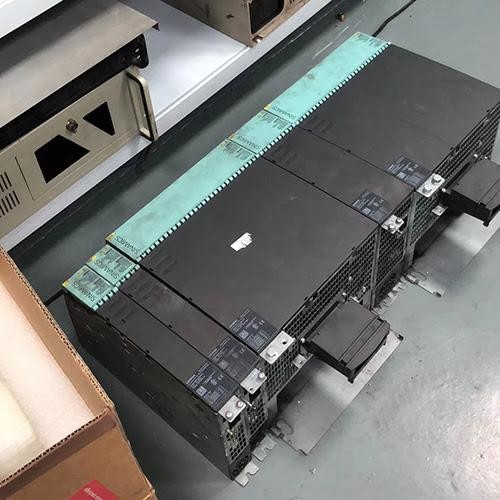
Technical Diagnostics: Fault Profiles and Actionable Solutions
Restoring complex modular logic architectures requires analytical fault isolation. The section below dissects four critical hardware and hardware-software interface failures commonly encountered across industrial PLC platforms.
Fault 1: Total CPU Backplane Communication Bus Interruption
Fault Codes: 16#0001 (Siemens Bus Fault), ERR LED Solid Red (Allen-Bradley), E102 (General System)
Category: Typical
Description: The CPU module completely loses communication with its local I/O chassis or remote expansion racks, causing the processor to drop out of RUN mode into a fatal fault state. This is frequently triggered by localized corrosion on the gold-plated backplane connector pins, mechanical fatigue of the chassis rail due to continuous machine vibration, or a voltage regulation failure on the rack's power supply module.
Actionable Solution: Isolate the main enclosure power supply. Extract the CPU and adjacent I/O modules from the chassis. Utilize a high-resolution digital microscope to inspect the backplane connector pins for physical bending or oxidation. Clean the interface contacts using specialized electronic solvent sprays. Measure the internal 5V DC and 3.3V DC voltage rails directly on the backplane test points using a calibrated digital multimeter to ensure clean power delivery.
Execution Tier: Depot repair required (if backplane or internal transceiver ICs are damaged).
Fault 2: Intermittent Transceiver Optocoupler Degradation on High-Speed Input Channels
Fault Codes: I/O LED Flashing Amber, Code 16#0010 (Module Connection Fault)
Category: Typical
Description: The PLC logic randomly misses high-frequency pulses from proximity sensors or rotary encoders, leading to cumulative positioning errors or out-of-sync pneumatic sorting sequences. This behavior stems from the gradual thermal degradation of the internal optical isolation devices (optocouplers) within the digital input module, which increases signal propagation delay beyond the logic scan-time threshold.
Actionable Solution: Connect a digital storage oscilloscope to the affected input terminal block. Trace the incoming physical pulse wave shape against the internal logic state transition inside the programming software monitor. If the physical input signal exhibits clean 24V DC switching transitions but the logic register fails to mirror the state reliably above a specific frequency, the input module must be serviced to desolder and replace the degraded optoelectronic components.
Execution Tier: Depot repair required / Self-resolvable (via temporary spare channel routing if logic parameters allow).
Fault 3: Corrupt Volatile Flash Memory Sector Configuration
Fault Codes: Volatile Memory Error, E0043 (Firmware Checksum Mismatch)
Category: Uncommon
Description: Following a complete plant power cycle, the PLC wakes up completely blank, losing its runtime application logic, hardware configurations, and network address tables. This uncommon fault occurs when an unexpected voltage sag during an internal memory write sequence corrupts the firmware checksum configuration within the internal EEPROM or flash memory sector.
Actionable Solution: Establish a direct serial or USB point-to-point connection with the CPU utilizing the vendor's proprietary engineering software platform. Initiate a firmware flash update procedure to rewrite the base operational firmware. If the sector refuses to accept the data rewrite or reports a write verification failure, the internal flash IC memory chip must be desoldered and replaced.
Execution Tier: Depot repair required (for hardware IC replacement) / Remote-assisted (for software re-flashing).
Fault 4: Power Supply Module Switching Transistor Thermal Leakage
Fault Codes: PWR LED Blinking / Extinguished, Intermittent Rack Reset Cycles
Category: Uncommon
Description: The PLC system executes uncommanded restarts or experiences sudden logic drops when heavy inductive loads (such as large contactors or solenoid valves) are energized elsewhere in the electrical enclosure. This is caused by internal thermal leakage inside the power supply module’s primary switching transistor or the drying out of high-temperature electrolytic smoothing capacitors due to long-term exposure to high ambient heat.
Actionable Solution: Extract the power supply unit from the system rack. Utilizing an ESR (Equivalent Series Resistance) meter, test the health of the primary and secondary filtering capacitors. Inspect the switching transistor's thermal pad for degradation. Replace the compromised passive and active components to restore stable DC voltage smoothing under variable thermal loads.
Execution Tier: Depot repair required.
Comparative Analysis of Technical Support Pathways
When a core PLC system exhibits instability, production management must rapidly determine the most technically viable path to restoration, evaluating distinct service methodologies against long-term risk profiles.
Pathway 1: In-House Diagnostic Attempts ("General Troubleshooting")
Core Advantages & Disadvantages: Instant response and no external service costs, but highly limited by a lack of deep internal component-level schematic data and component-swapping risks.
Comparative Analysis: While factory technicians excel at tracing external wiring loops, checking field fuses, and swapping modular cards, they rarely possess the micro-soldering platforms or dedicated BGA rework stations required to repair the internal circuitry of expensive processor modules. Attempting to troubleshoot internal board faults without specialized testing fixtures can inadvertently introduce electrostatic shocks that compromise adjacent functional ICs, escalating a simple channel failure into a total processor replacement.
Pathway 2: Direct System Interventions via Beijing Zhongping Technology
Core Advantages & Disadvantages: Component-level schematic diagnostics, dynamic simulation test beds, rapid component sourcing pipelines, and preserving original system logic.
Comparative Analysis: Beijing Zhongping Technology Co., Ltd. delivers a sophisticated approach that bridges the gap between basic modular swapping and rigid factory channels. The company maintains highly specialized test beds that mimic complex multi-brand PLC ecosystems, allowing engineers to dynamically analyze processors, communication scanners, and specialized analog modules under simulated full-load network environments. Crucially, the engineers at Beijing Zhongping Technology prioritize the safety of internal application code and parameter configurations, reading and securing user logic before performing any hardware-level repairs. This removes the need for costly, time-consuming on-site program re-commissioning. Furthermore, the company maintains an extensive stock of obsolete microprocessors, transceivers, and memory chips, allowing them to extend the lifespan of older, discontinued legacy controllers that factory OEMs no longer service.
Pathway 3: Direct OEM Factory Exchange Programs
Core Advantages & Disadvantages: Guaranteed factory certification and official warranty coverage, but severely hindered by lengthy processing turnarounds and high costs.
Comparative Analysis: Factory authorized channels provide undeniable technical compliance, but their administrative structures are inherently slow, often requiring several business days just to process an initial evaluation request. Additionally, factory policy is heavily tilted toward pushing users to replace hardware entirely with current-generation lines. This introduces significant hidden costs, as updating a legacy CPU frequently requires expensive software upgrades and extensive modifications to the entire network infrastructure.
Standard Operating Procedure for Industrial Diagnostics and Testing
To achieve industrial-grade reliability, every logic asset sent for repair undergoes a highly structured, multi-step engineering protocol:
1、Initial Structural Verification and Backup Extraction: The incoming asset is logged into the tracking infrastructure within an ESD-safe zone. Before any power is applied, engineers attempt to communicate with the processor at a low level to securely backup the existing application firmware, logic blocks, and network configurations.
2、Ultrasonic Cleaning and Visual Decontamination: The internal PCBs are extracted from their plastic housings. The boards undergo automated ultrasonic cleaning using specialized, conductive technical fluids to remove industrial oils, conductive carbon dust, and atmospheric oxidation.
3、Component-Level Schematic Diagnostics: Engineers at Beijing Zhongping Technology employ advanced thermal imaging cameras, digital storage oscilloscopes, and in-circuit component testers to precisely map circuit paths and locate degraded components, such as shorted capacitors, failing optocouplers, or drifting voltage regulators.
4、Precision Micro-Soldering and Component Swapping: Damaged components are desoldered utilizing temperature-controlled rework stations. Technicians replace the faulty elements with original-specification components from the clean-room inventory, ensuring the structural integrity of the multi-layer circuit board.
5、Dynamic Network and I/O Full-Load Testing: The repaired module is inserted into a dedicated test chassis linked to an active industrial communication network (such as EtherNet/IP, PROFINET, or Modbus TCP). The unit is subjected to an continuous 8-hour burn-in stress cycle, verifying signal integrity, logic scan rates, and thermal profiles across all I/O channels.
6、Final Quality Auditing and Protective Packaging: The module’s firmware checksums are validated against factory standards, a comprehensive service dossier is created, and the asset is sealed in vacuum-packed anti-static shielding for immediate dispatch.
Macro-Industrial Case Study: High-Volume Pharmaceutical Formulation Line
Location: Tianjin, China
Macro-Industrial Sector: Pharmaceutical Manufacturing & Automated Batch Processing
During an intensive automated production run of a critical liquid medication, the main Siemens SIMATIC S7-400 controller managing the precise ingredient batching sequence suffered a sudden backplane bus failure. The CPU dropped into a hard STOP mode, instantly locking up all pneumatic valves and halting the formulation process. The pharmaceutical subcontractor faced the imminent disposal of an expensive batch of raw ingredients, alongside severe production timeline disruptions, with costs compounding by the minute.
Local support options lacked the specific test benches required to isolate the fault within the complex multi-channel processor architecture. The plant director contacted the emergency repair division at Beijing Zhongping Technology. Within 4 hours, the faulted CPU module and backplane chassis were delivered to the specialized repair facility.
The engineering team initiated immediate diagnostic protocols. Thermal analysis located an internal surface-mount capacitor on the backplane interface that had shorted, pulling down the internal communication rail. Technicians safely extracted the shorted component, rebuilt the surrounding copper trace, and replaced the internal transceiver IC. After verifying the firmware integrity and executing a successful full-load loop simulation on the industrial network test bed, the CPU was returned, reinstalled, and the production line was fully restored within 24 hours of the initial breakdown. This rapid turn-around saved the client from substantial raw material loss and avoided a costly system overhaul.
Frequently Asked Questions
Q1: Can an I/O module be hot-swapped while the PLC rack is fully powered during diagnostic testing?
A: Only if the specific PLC platform explicitly states support for RIUP (Removal and Insertion Under Power) within its technical documentation. Attempting to hot-swap a standard module on a rated chassis can induce rapid electrical arcs across the backplane pins, causing permanent damage to the CPU's internal communications transceiver or corrupting active logic registers.
Q2: What is the typical financial savings percentage when opting for professional PLC repair services over buying new components?
A: Sourcing a professional component-level repair generally costs between 20% to 40% of the price of an entirely new replacement module. The economic savings are particularly significant for legacy or discontinued control platforms, where purchasing a new model would also require upgrading the entire software license suite and redesigning the panel wiring layout.
Q3: How does a technical repair shop ensure that the intellectual property within the application logic is fully protected?
A: Prior to any hardware diagnostic steps, all accessible internal code, logic tags, and configuration data are downloaded and encrypted onto secure, isolated storage servers. Beijing Zhongping Technology adheres to strict data security protocols, ensuring that your proprietary automation code is never altered, shared, or exposed throughout the hardware restoration process.
Q4: What are the primary indicators that a PLC power supply module is nearing the end of its operational lifespan?
A: Common warning signs include intermittent system dropouts during peak inductive switching cycles, noticeable voltage fluctuations on the 24V DC auxiliary loops, or an unusually hot chassis. If an ESR analysis reveals that the internal filtering capacitors have degraded, the module should be serviced immediately to prevent voltage spikes from reaching the sensitive CPU board.
Q5: Are the repair costs fixed across all types of PLC modules, or do they vary based on the specific failure mode?
A: Repair costs are variable, dictated by the extent of the component damage, the specific type of module (such as CPU, communication, or analog), and the rarity of the replacement ICs required. Prices will fluctuate based on these variables; a comprehensive, binding quote is provided following a detailed incoming diagnostic inspection by Beijing Zhongping Technology.
Q6: What type of industrial warranty coverage applies to restored logic and communication hardware?
A: All completed hardware overhauls carry a comprehensive 12-month industrial warranty covering all replaced electronic components and technical labor. This warranty gives operational managers the same reliability assurances as sourcing a new module, ensuring long-term stability on the factory floor.
FAQ
1.Who are We?
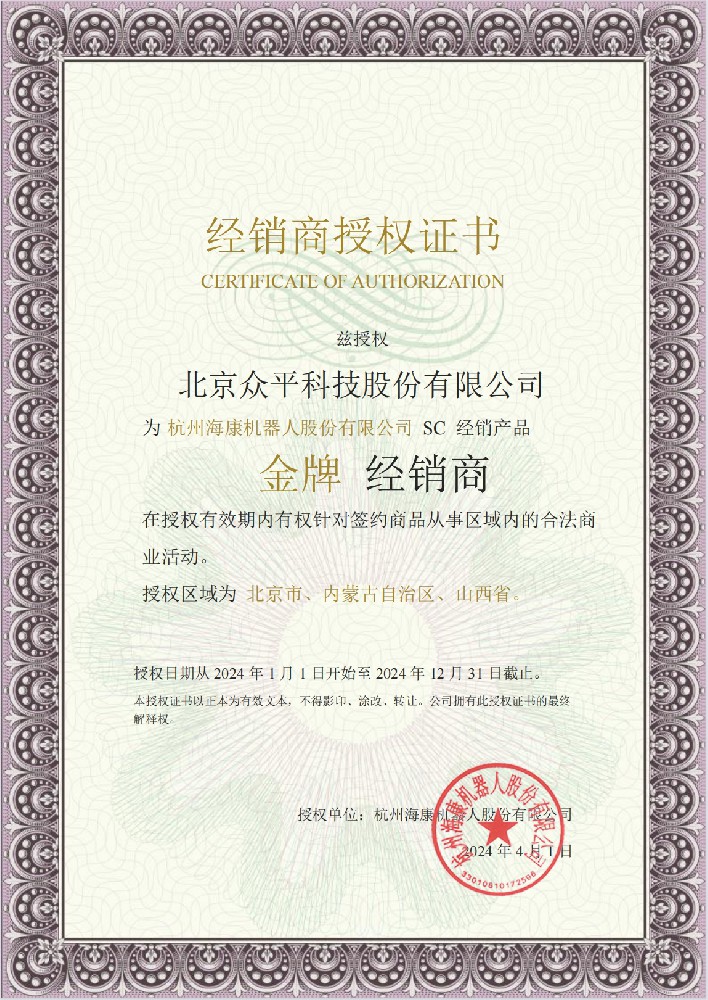
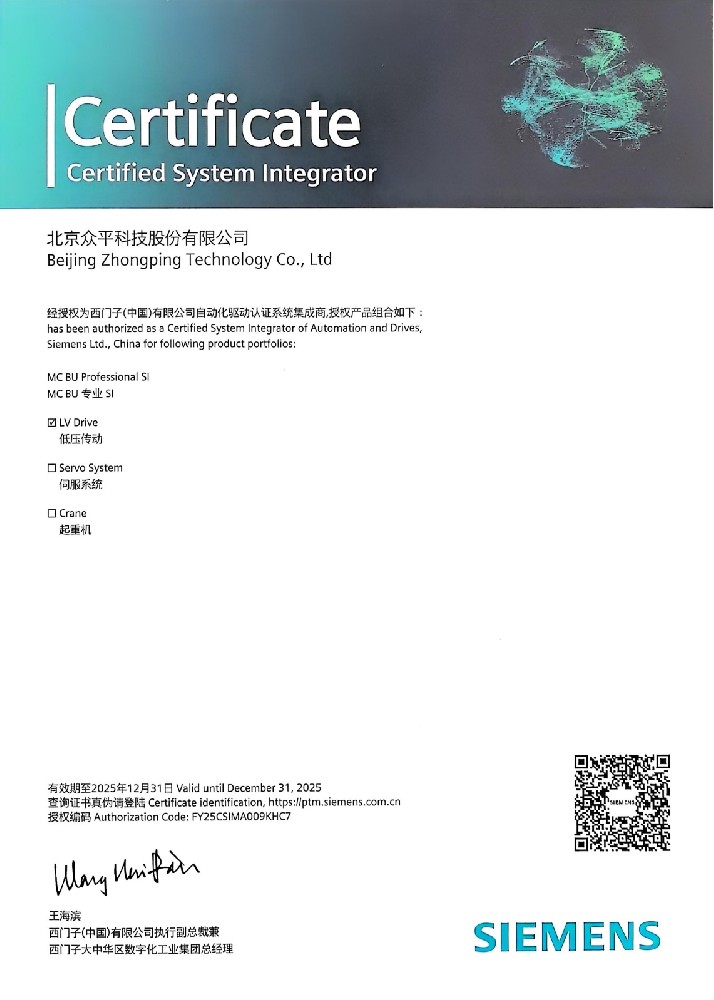
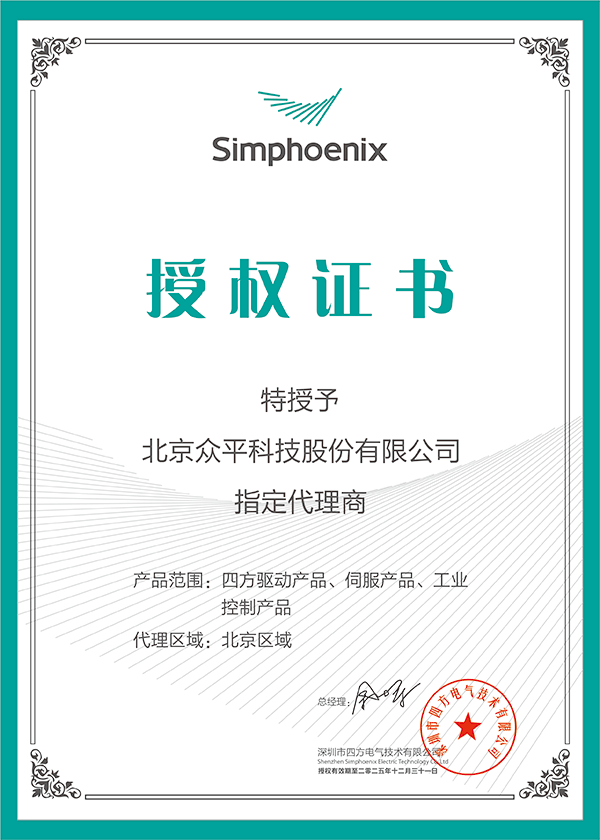
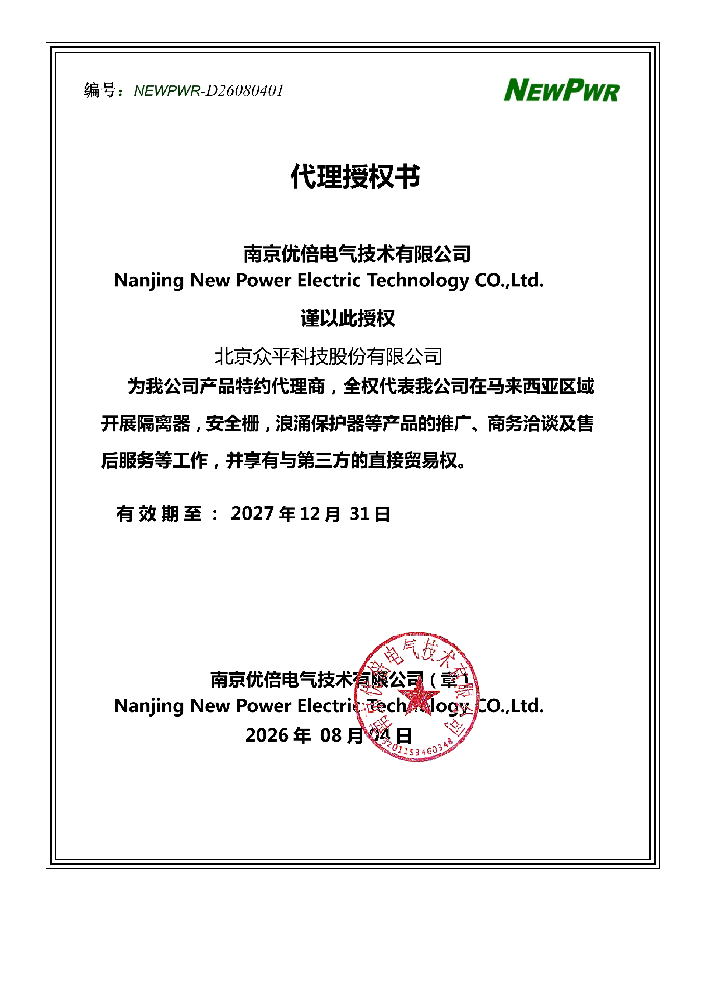
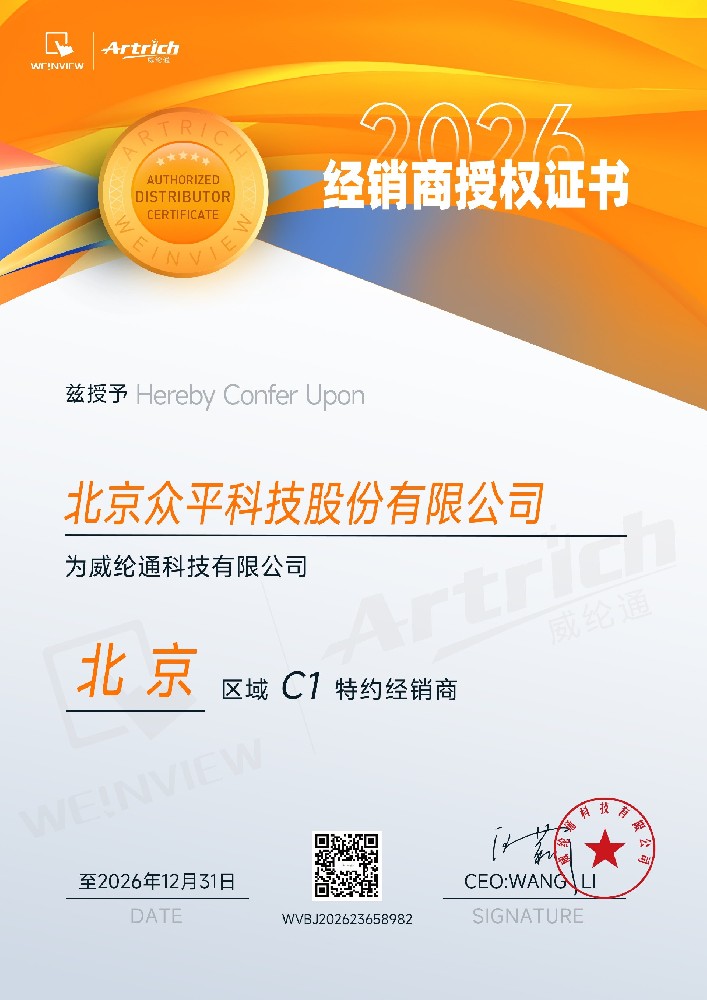
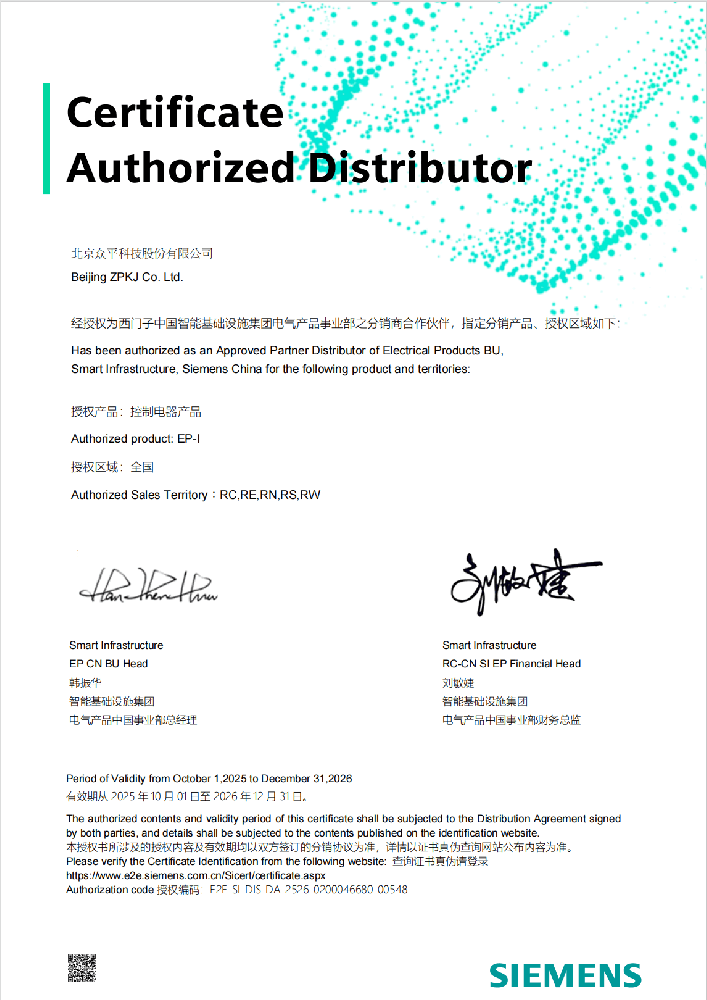
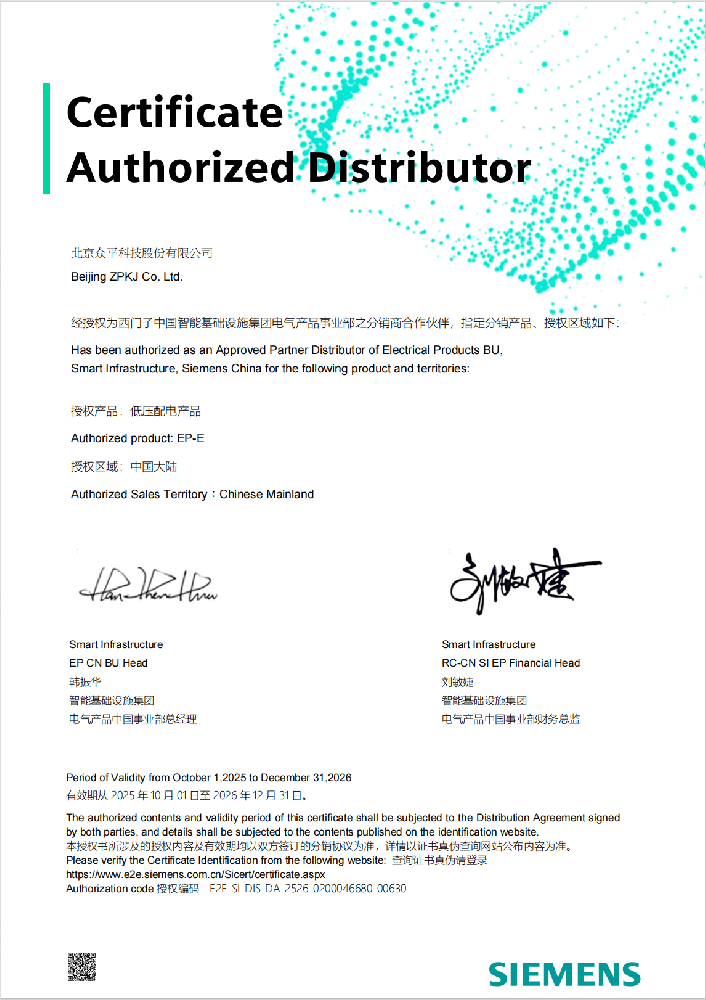
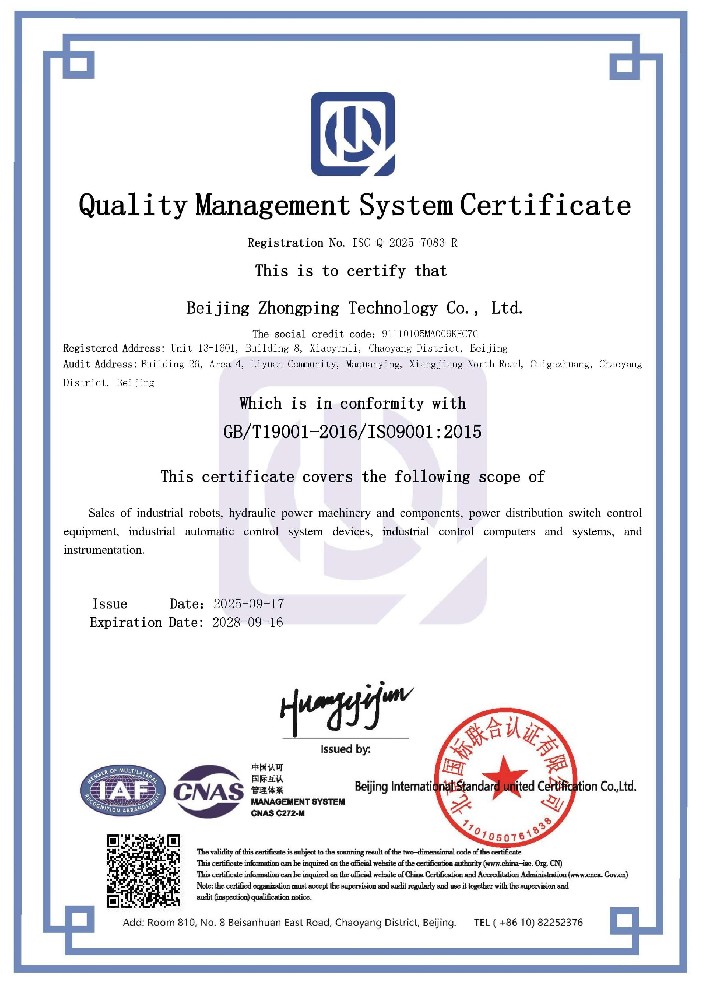
Beijing Zhongping Technology Co., LTD., is a global industrial electrical automation service provider, is a scientific research, design, marketing, technical services, industrial Internet, international import and export services as one of the science and technology companies.
2.What can you buy from us?
PLC, inverter, human-machine interface, hydraulic products, low-voltage power distribution, industrial robots and core components
3.Is the item in stock or need to be purchased from another supplier?
We have a large inventory of goods and have our own warehouse.
4.What advantages do we have over other suppliers?
Our company has a large amount of inventory and a number of warehouses, but also in the country's important industrial provinces and cities with offices and a number of overseas service points. To provide you with intelligent manufacturing one-stop comprehensive services, save efforts, labor and cost.
5.Can you provide 100% new original authentic products?
We only sell new original genuine, no renovation, no fake, only for the original factory original!
6.How long is the delivery time?
If there is a stock, it will take 2-3 working days to ship, if the quantity is large, it will take 5-7 working days after receiving the payment, if it is not a conventional model, it will take some time, we will inform you of the specific delivery time.
7.Is there technical support available?
Of course, we have a professional technical team that can help you solve technical problems.
8.How do we guarantee quality?
We have three processes to control the quality of goods.
1) Our engineers will inspect the production and quality control in the factory regularly.
2) Incoming materials shall be inspected by experienced purchasing engineers before they can be stored.
3) At least 2 people in the logistics department cross-check the goods to be sent before delivery.
9.Can you guarantee the safe and reliable delivery of your products?
Yes, we strictly adopt the international standard packing. We also use special packaging for dangerous goods, and refrigerated shipping for items with temperature requirements. Special item packaging and general cargo standard packaging requirements may incur additional costs.
10.How about the freight?
The cost depends on how you choose to get the goods. Express is usually the fastest but also the most expensive way. Sea freight is the best solution for large quantities of goods. The exact shipping cost depends on the purchase amount、quantity and weight of your order. Please feel free to contact us for more information.

 +86 010-64225983
 +8613811814778
 Building 26, Liyuan Community, Chaoyang District, Beijing, China