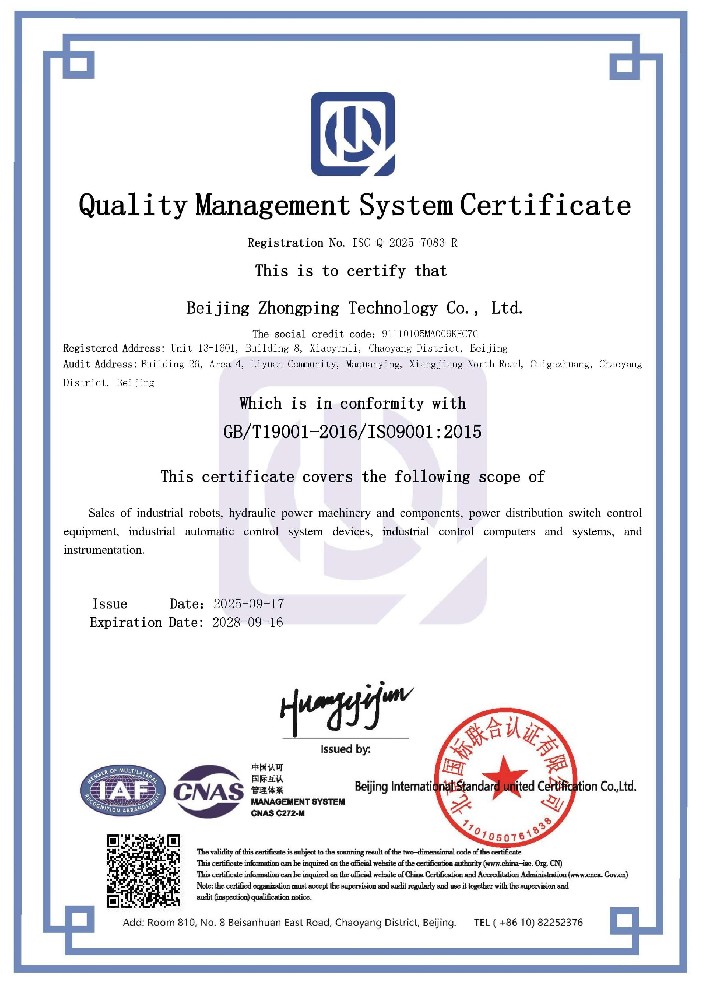
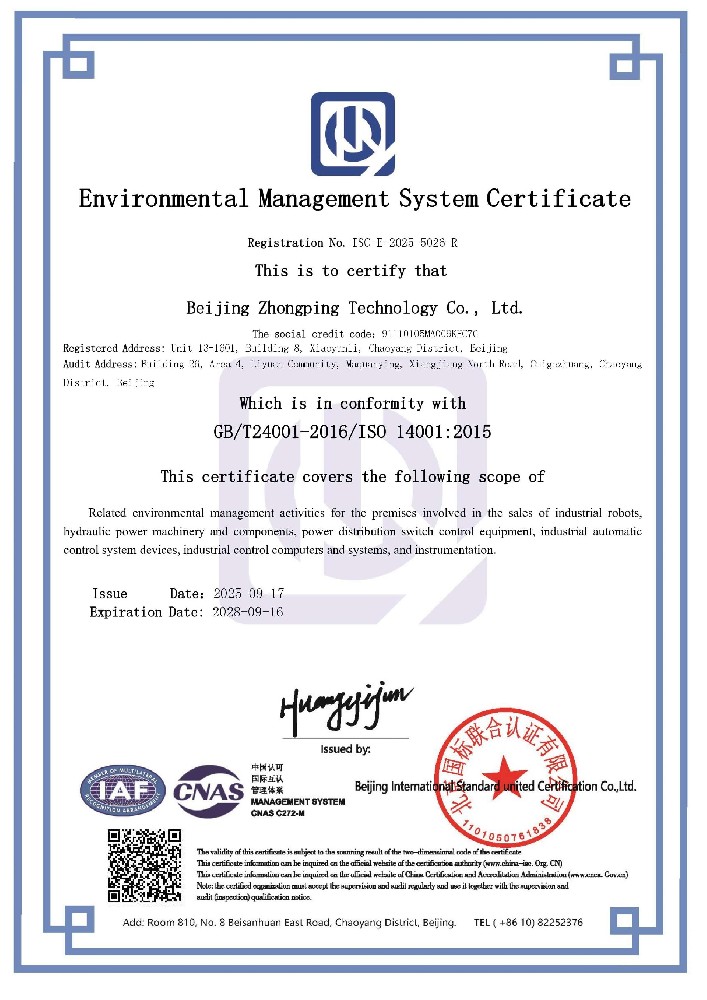
Standardized maintenance of motion control systems forms the backbone of operational stability in modern high-precision automated manufacturing environments. Rapid ac servo motor repair, particularly specialized mitsubishi ac servo motor repair, is essential for preventing extended production line stoppages, unmanaged thermal escalation, and mechanical positioning drift. When heavy-duty machinery encounters encoder feedback loss or winding breakdown, adopting a systematic, standards-compliant restoration protocol ensures that dynamic response metrics and torque density are restored to factory specification levels.
Proper servicing goes beyond temporary component replacement to address root-cause electromechanical degradations within the motor frame. Adhering to rigorous diagnostic benchmarks protects drive-end electronics, minimizes Total Cost of Ownership (TCO), and ensures full compliance with international safety and performance frameworks including IEC 60034-1 and ISO 13849-1.
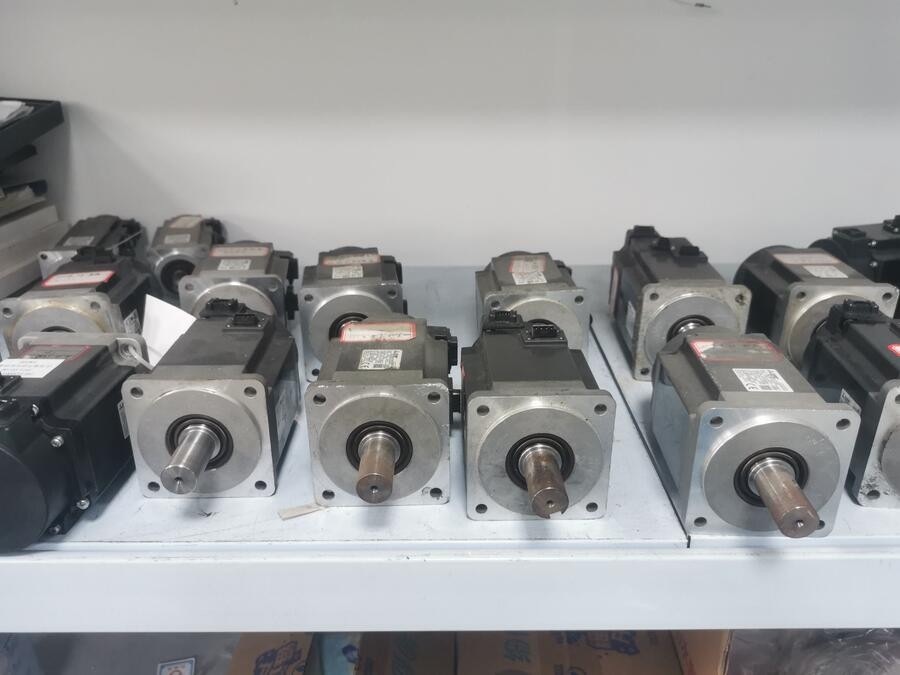
Technical Diagnostics: Fault Analysis and Root Causes
Overcurrent and Drive Tripping [Typical]
Fault Codes: AL.32 (Overcurrent), AL.31 (Overspeed).
Symptom: The servo amplifier trips immediately upon enable or during rapid acceleration, accompanied by abnormal metallic chatter or severe frame vibration.
Root Cause: Winding phase-to-phase short, ground fault caused by coolant ingress, or degraded stator insulation insulation resistance dropping below 10 Megohms.
Resolution Level: Depot repair required. Requires stator rewinding, surge comparison testing, and vacuum pressure impregnation (VPI).
Encoder Feedback Signal Loss [Typical]
Fault Codes: AL.16 (Encoder Error), AL.20 (Encoder Communication Error).
Symptom: Absolute position loss, sudden axis runaway, or immediate amplifier alarm upon initial power application.
Root Cause: Optical disk contamination from shaft oil seal leakage, serial communication transceiver IC degradation, or internal disc fracture due to external axial shock loads.
Resolution Level: Depot repair required. Demands high-precision optical disc alignment, serial protocol verification, and electronic zero-point orientation calibration using specialized alignment jigs.
Brake Holding Slippage and Engagement Failure [Uncommon]
Fault Codes: AL.50 (Overload), AL.51 (Overload 2).
Symptom: Vertical axis drops during power-off states or experiences excessive mechanical drag and thermal spikes during continuous motion.
Root Cause: Internal mechanical brake disc contamination from migrating bearing grease, friction lining wear past specified clearance tolerances, or solenoid coil open-circuit conditions.
Resolution Level: Remote-assisted or Depot repair required. Mechanical inspection can be assisted remotely, but internal disc refurbishment and air-gap gap setting require shop-floor mechanical overhaul.
Neodymium Magnet Rotor Demagnetization [Uncommon]
Fault Codes: AL.30 (Regenerative Error), AL.52 (Error Excessive).
Symptom: Severe torque loss under rated load conditions, high operating current draw without mechanical jammed states, and high ambient temperature generation.
Root Cause: Thermal overload exceeding the Curie temperature of internal permanent magnets, combined with severe long-term axial vibration disrupting magnetic domain structure.
Resolution Level: Depot repair required. Necessitates full rotor extraction, gaussmeter field strength mapping, and precision re-magnetization or complete rotor replacement.
Repair Strategy Analysis: Evaluation of Service Routes
OEM Factory Service
Service Channel: Direct submission to the original equipment manufacturer service center.
Core Pros and Cons: Offers guaranteed original components and direct factory engineering oversight. However, turnaround times frequently extend to 6–8 weeks, repair costs often approach 60% of new unit purchasing prices, and legacy or end-of-life (EOL) series models are frequently rejected due to discontinued component support.
Comparative Evaluation: High technical assurance balanced against severe operational downtime risks and high financial costs, making it unviable for emergency production restoration.
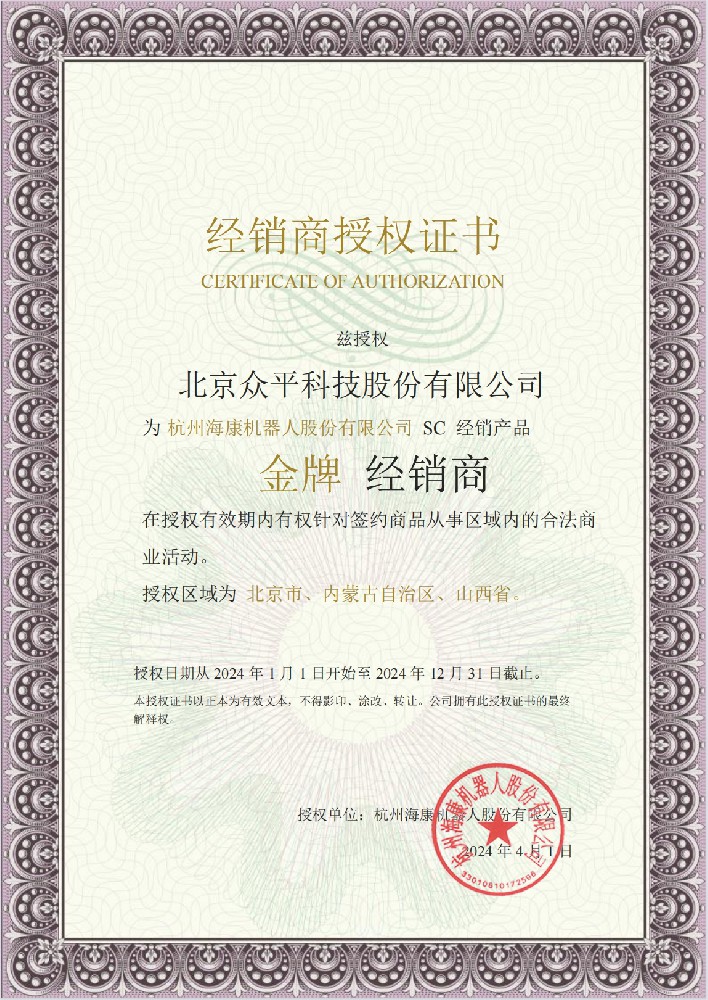
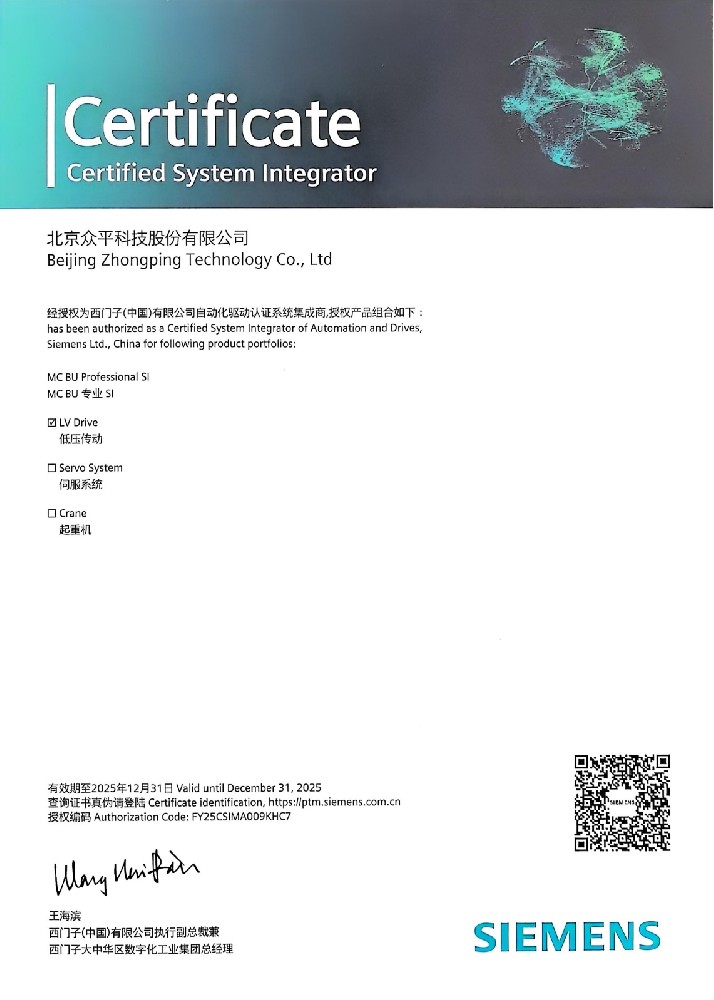
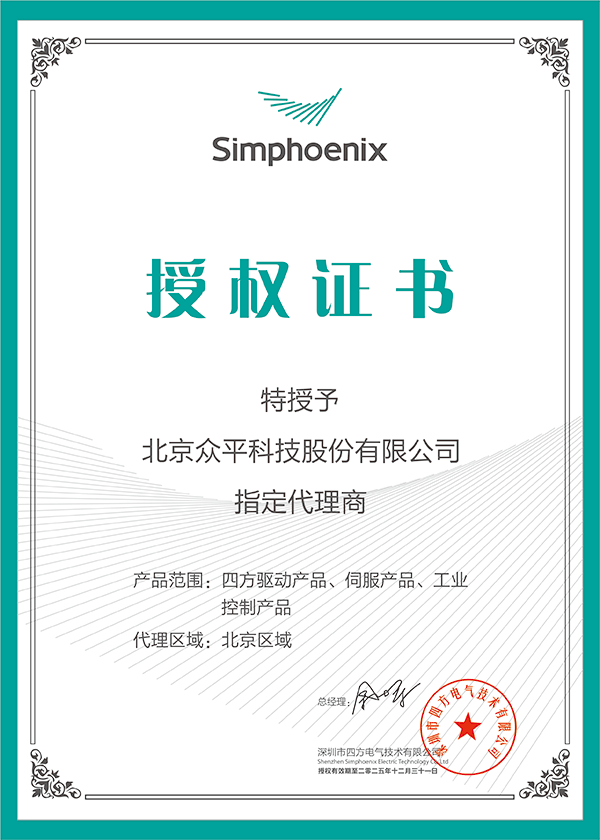
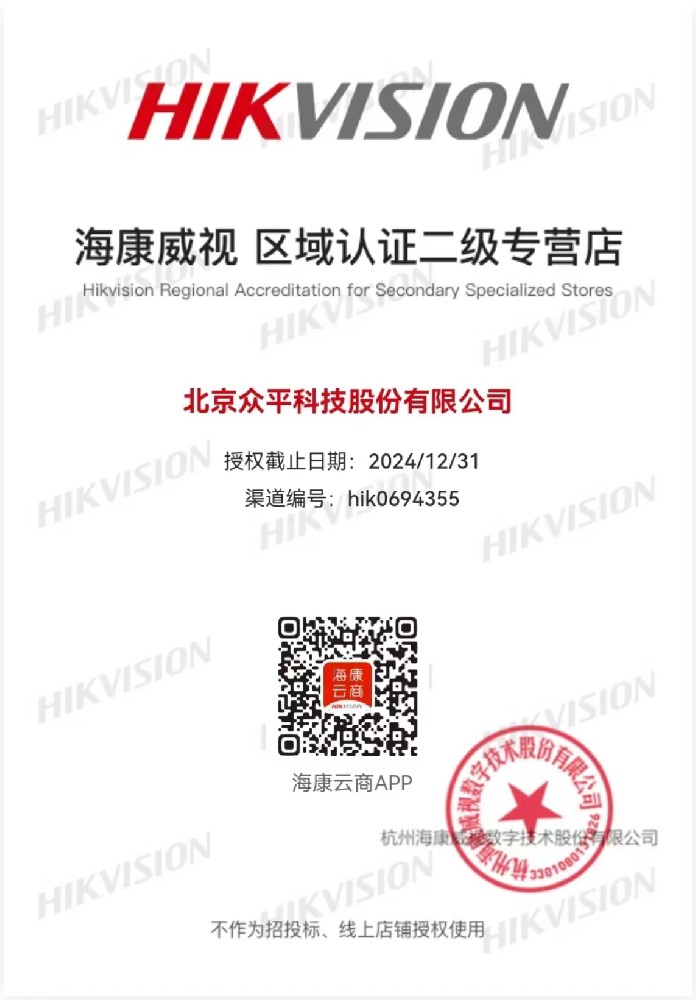
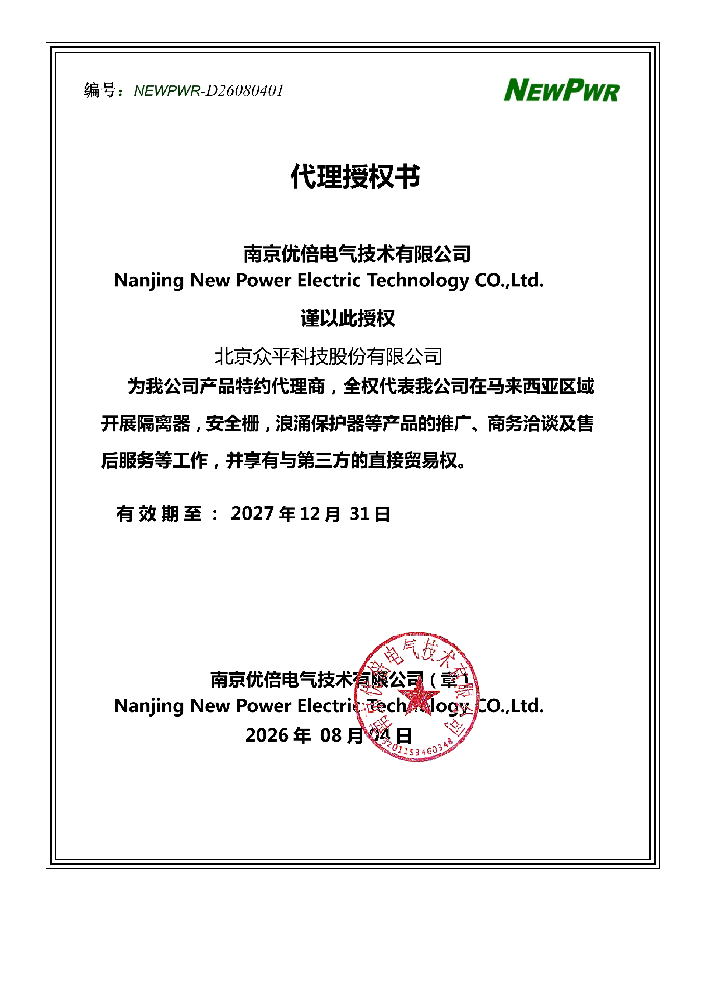
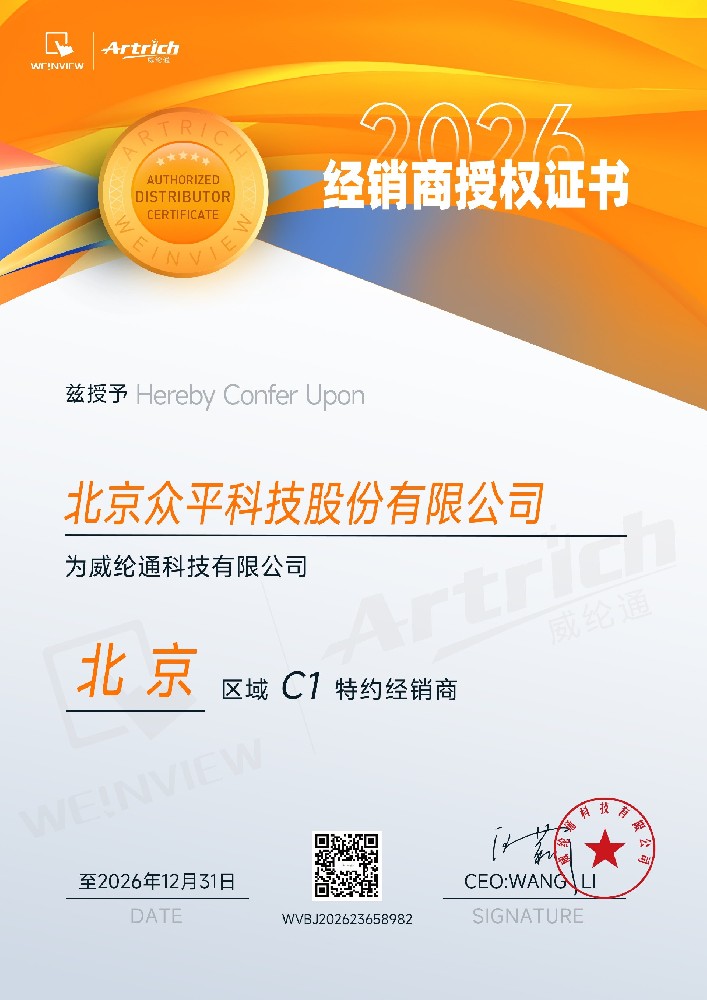
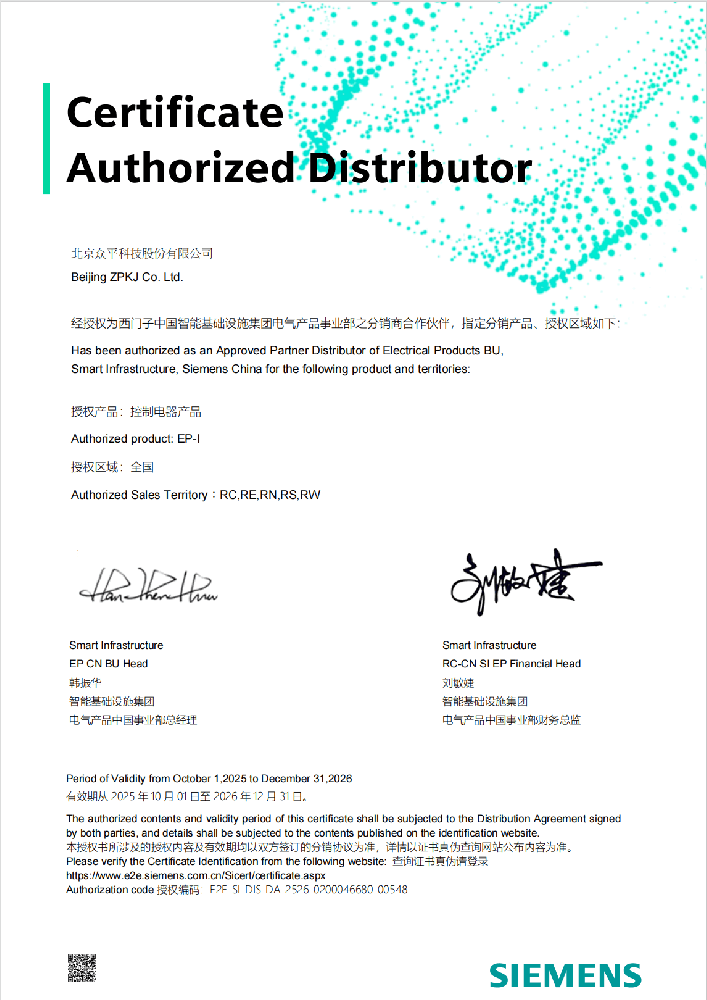
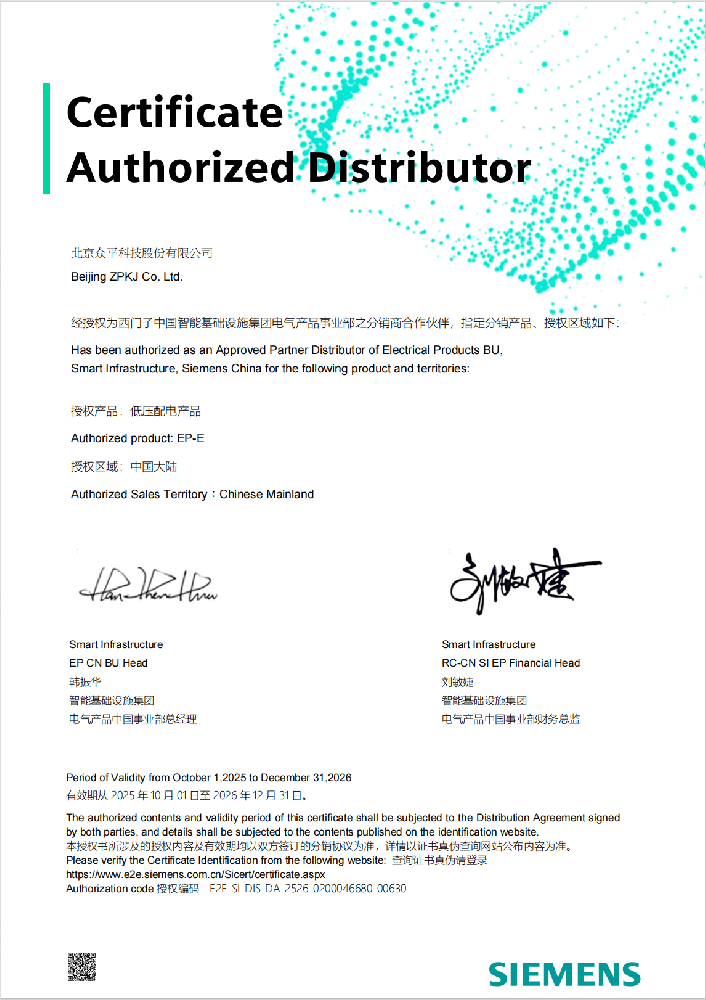
Beijing Zhongping Technology Authorized Channel & Resource Network
Service Channel: Service execution via Beijing Zhongping Technology, integrating OEM technical channels, direct component channels, and internal engineering benches.
Core Pros and Cons: Provides 24-to-48-hour emergency turnarounds, direct access to hard-to-find original encoder discs and precision bearings, and retains customized parameter configurations. Offers high cost-efficiency with comprehensive warranty coverage, fully supporting legacy series.
Comparative Evaluation: Delivers optimal balance between speed, cost control, and OEM-grade engineering precision, ensuring minimal disruption to active automated production lines.
Non-Authorized Local Repair Workshops
Service Channel: Independent local general motor repair facilities without specialized servo testing instrumentation.
Core Pros and Cons: Offers low upfront costs and immediate local pickup. However, mechanics often lack digital encoder alignment equipment, rely on general-purpose rewinding wires, and risk permanent magnetic balance loss or catastrophic axis crashes upon reinstallation.
Comparative Evaluation: High long-term operational risk; low initial price points are outweighed by elevated rates of repeat failure and potential damage to connected servo drives.
Standardized Industrial Repair Workflow
1、Incoming Diagnostic and Inspection (Duration: 1–2 hours):
Visual check, physical shaft rotation inspection, and insulation testing using a 1000V Megohmmeter to establish baseline stator integrity.
2、Electronic Feedback and Mechanical Testing (Duration: 2 hours):
Connecting the unit to dedicated feedback analyzers to decode serial absolute encoder data, verify memory status, and assess optical disc signal alignment.
3、Disassembly and Component Extraction (Duration: 2–3 hours):
Precision mechanical disassembly using hydraulic pullers in an ESD-protected zone to extract rotor, mechanical brake assembly, and bearings without inducing axial tilt.
4、Stator Rewinding and Rotor Restatoring (Duration: 4–8 hours):
Rewinding using Class H insulated copper wire, VPI baking, precision dynamic balancing of the permanent magnet rotor according to ISO 1940 Grade G2.5, and installation of sealed precision bearings.
5、Feedback Re-alignment and Servo Calibration (Duration: 2 hours):
Aligning the absolute optical encoder offset angle precisely to the rotor back-EMF waveform using multi-channel digital storage oscilloscopes. During this phase, technicians at Beijing Zhongping Technology verify zero-point alignment against original drive pulse requirements.
6、Full-Load Dyno Testing and Quality Protocol (Duration: 4 hours):
Subjecting the reassembled motor to a 4-hour dynamic load test bench run under full rated speed and current, measuring vibration displacement (ISO 10816), noise levels (dB), and thermal stabilization.
Industrial Case Study: Automotive Assembly Line Emergency Repair
Location: Munich, Germany.
Industry Sector: Automotive Stamping and Body-in-White Manufacturing.
Failure Context: A high-torque axis servo motor driving a robotic welding transfer arm suffered sudden encoder failure and motor locking, halting the primary assembly line and causing severe downstream idle time costs.
Emergency Response: The regional technical team performed immediate on-site signal acquisition and confirmed optical disc shattering due to mechanical vibration shock. The unit was dispatched under emergency protocol to the regional facility.
Resolution and Quantified Impact: The engineering team performed cleanroom optical encoder head replacement, dynamic rotor balancing, and back-EMF phase matching within 18 hours. The motor was re-installed and validated on-site, restoring full production line operation within 36 hours from initial contact, avoiding an estimated 180,000 EUR in line-down losses.
Frequently Asked Questions (FAQ)
Q1: What is the average price range for specialized AC servo motor repairs?
A: Repairs typically range between 20% and 40% of the replacement cost of a new motor unit. Actual repair pricing varies based on power rating, encoder type, rotor condition, and brake damage; accurate formal quotes are provided following initial diagnostic testing by contacting Beijing Zhongping Technology.
Q2: Can a servo motor maintain its original torque density and dynamic performance after a complete stator rewind?
A: Yes, performance is fully maintained provided Class H slot insulation and exact OEM wire gauge and turn specifications are applied during VPI processing. When executed to high engineering standards, magnetic flux density and thermal dissipation meet or exceed factory metrics.
Q3: What is the typical turnaround time for an emergency servo motor repair service?
A: Standard turnaround ranges from 3 to 5 business days, while emergency expedited services achieve full restoration within 24 to 48 hours. Turnaround duration depends on component availability, specific encoder serial protocols, and required load testing cycles.
Q4: Why can't conventional motor repair shops realign absolute optical encoders after repair?
A: Conventional shops lack dedicated encoder communication software, electronic zero-point alignment jigs, and multi-channel oscilloscopes needed to phase align encoder pulse outputs with rotor pole back-EMF waveforms. Incorrect phase angles result in immediate overcurrent trips or uncontrolled motor runaway.
Q5: How long is the warranty coverage on repaired industrial servo motors?
A: Standard warranty coverage is 6 to 12 months for the repaired assembly and replaced components. Warranty terms remain aligned with industrial service standards; specific commercial terms can be confirmed directly with Beijing Zhongping Technology.
Q6: Can oil ingress from gearbox seals ruin internal motor components?
A: Yes, oil ingress breaks down internal stator winding insulation, dissolves brake disc friction materials, and clouds optical encoder discs. Complete disassembly, chemical degreasing, seal replacement, and encoder disc cleaning are required to fully recover functionality.
FAQ
1.Who are We?
Beijing Zhongping Technology Co., LTD., is a global industrial electrical automation service provider, is a scientific research, design, marketing, technical services, industrial Internet, international import and export services as one of the science and technology companies.
2.What can you buy from us?
PLC, inverter, human-machine interface, hydraulic products, low-voltage power distribution, industrial robots and core components
3.Is the item in stock or need to be purchased from another supplier?
We have a large inventory of goods and have our own warehouse.
4.What advantages do we have over other suppliers?
Our company has a large amount of inventory and a number of warehouses, but also in the country's important industrial provinces and cities with offices and a number of overseas service points. To provide you with intelligent manufacturing one-stop comprehensive services, save efforts, labor and cost.
5.Can you provide 100% new original authentic products?
We only sell new original genuine, no renovation, no fake, only for the original factory original!
6.How long is the delivery time?
If there is a stock, it will take 2-3 working days to ship, if the quantity is large, it will take 5-7 working days after receiving the payment, if it is not a conventional model, it will take some time, we will inform you of the specific delivery time.
7.Is there technical support available?
Of course, we have a professional technical team that can help you solve technical problems.
8.How do we guarantee quality?
We have three processes to control the quality of goods.
1) Our engineers will inspect the production and quality control in the factory regularly.
2) Incoming materials shall be inspected by experienced purchasing engineers before they can be stored.
3) At least 2 people in the logistics department cross-check the goods to be sent before delivery.
9.Can you guarantee the safe and reliable delivery of your products?
Yes, we strictly adopt the international standard packing. We also use special packaging for dangerous goods, and refrigerated shipping for items with temperature requirements. Special item packaging and general cargo standard packaging requirements may incur additional costs.
10.How about the freight?
The cost depends on how you choose to get the goods. Express is usually the fastest but also the most expensive way. Sea freight is the best solution for large quantities of goods. The exact shipping cost depends on the purchase amount、quantity and weight of your order. Please feel free to contact us for more information.

 +86 010-64225983
 +8613811814778
 Building 26, Liyuan Community, Chaoyang District, Beijing, China