In modern high-speed manufacturing, a single controller fault can freeze entire production lines, causing immediate cascading financial losses. For plant managers and maintenance engineers facing active system failures, securing highly reliable plc repair services is the highest operational priority. When dealing with specialized precision platforms, such as the widely deployed S7-1200, S7-1500, or legacy S7-300 series, acquiring a dedicated siemens plc repair service that understands proprietary Step 7 micro-architecture, Profibus diagnostic bytes, and SIMATIC system registers is critical to preventing permanent hardware damage and data loss.
Rather than executing trial-and-error replacements that risk corrupting proprietary machine code, industrial facilities must rely on structured, component-level diagnostics. This article outlines the engineering protocols for isolating complex controller faults and compares the commercial service pathways available to modern factories.
Technical Diagnostics: Standard and Uncommon Siemens PLC Fault Analysis
Navigating Siemens-specific control platforms requires deep familiarity with SIMATIC hardware diagnostics, MMC (MultiMediaCard) memory structures, and hardware-specific interrupt OBs (Organization Blocks).
1. Front Connector and S7 Backplane Communication Disruptions
Classification: Typical
Fault Phenomenon: The CPU remains in RUN mode, but multiple S7-300/1500 expansion SM (Signal Modules) show active red "SF" (System Fault) lights. The engineering software indicates diagnostic interrupts related to expansion bus disruptions, and connected actuators fail to react.
Associated Fault Codes: OB82 (Diagnostic Interrupt OB) activation or SIMATIC System Event ID 0x16:0402.
Execution Level: Self-resolvable.
Technical Solution: Power down the rack and extract the failing SM modules. Clean the physical U-connector slide-links on the backplane using contact cleaner. Ensure the module mechanical lock-screws are tightened to factory specifications (typically 0.5 Nm) to eliminate vibration-induced micro-gaps.
2. Analog Input Drift and Terminal Overcurrent Damage
Classification: Typical
Fault Phenomenon: Process values in the TIA Portal float erratically or read upper limit overflow (32767 / 0x7FFF) constantly. The physical terminal on the analog input module feels hot to the touch.
Associated Fault Codes: Diagnostic Byte Failure "Overrange / Wire Break" or SIMATIC Event ID 0x29:0301.
Execution Level: Depot repair required.
Technical Solution: Measure the loop current with an inline millimeter. If an external 24VDC short-circuit has bypassed the active barrier, the module's internal precision shunt resistor and input optocoupler are likely burned out. The damaged SMD components must be desoldered and replaced under antistatic conditions.
3. MMC Flash Sector Exhaustion and Diagnostic Lock
Classification: Uncommon
Fault Phenomenon: The CPU drops into STOP mode spontaneously. The red "SF" LED remains permanently illuminated. Attempts to warm-restart the CPU via software are rejected, and the diagnostic buffer reports memory card reading errors.
Associated Fault Codes: System Event ID 0x16:4522 (Memory Card evaluation error) or Error Code 0x807F (Write access denied).
Execution Level: Depot repair required.
Technical Solution: Do not format the proprietary Siemens MMC in a standard Windows card reader, as this destroys the custom partition layout permanently. The MMC must be read via a specialized raw-image programmer. If bad flash blocks are detected, the system partition must be cloned to a fresh, SIMATIC memory block.
4. PROFIBUS/PROFINET ASIC Controller Faults
Classification: Uncommon
Fault Phenomenon: The integrated PN/DP port fails to detect any network nodes. The "BUS" or "BF" LED flashes red continuously, while the physical Ethernet link lights remain dark even when connected directly to a diagnostic programming laptop.
Associated Fault Codes: OB86 (Rack Failure OB) activation or Communication Error Code 0x80C4.
Execution Level: Depot repair required.
Technical Solution: The specialized communication ASIC (such as the ERTEC chip on Siemens boards) has suffered localized thermal or electrostatic damage. The controller board must be isolated in a Class 100 ESD workstation, the ASIC desoldered using an infrared rework station, and a matching original IC soldered back with strict temperature profile control.
Repair Strategy Comparison: Evaluating the Three Main Service Pathways
Selecting the right repair service when a Siemens controller fails requires balancing direct downtime, component warranty, and software preservation.
Pathway 1: Official Original Equipment Manufacturer (OEM) Repair
Core Pros and Cons: Fully work, but characterized by high service costs, long international shipping turnarounds, and lack of legacy hardware support.
Detailed Analysis: Sending a controller directly back to the manufacturer guarantees original parts. However, official processes often take several weeks to complete due to complex international trade regulations and rigid administrative queues. OEM pricing is structured around flat-rate block exchanges rather than precise fixes. Critically, the official service defaults to wiping the CPU memory to load the latest factory firmware, which completely erases the customer's custom logic and undocumented network configurations.
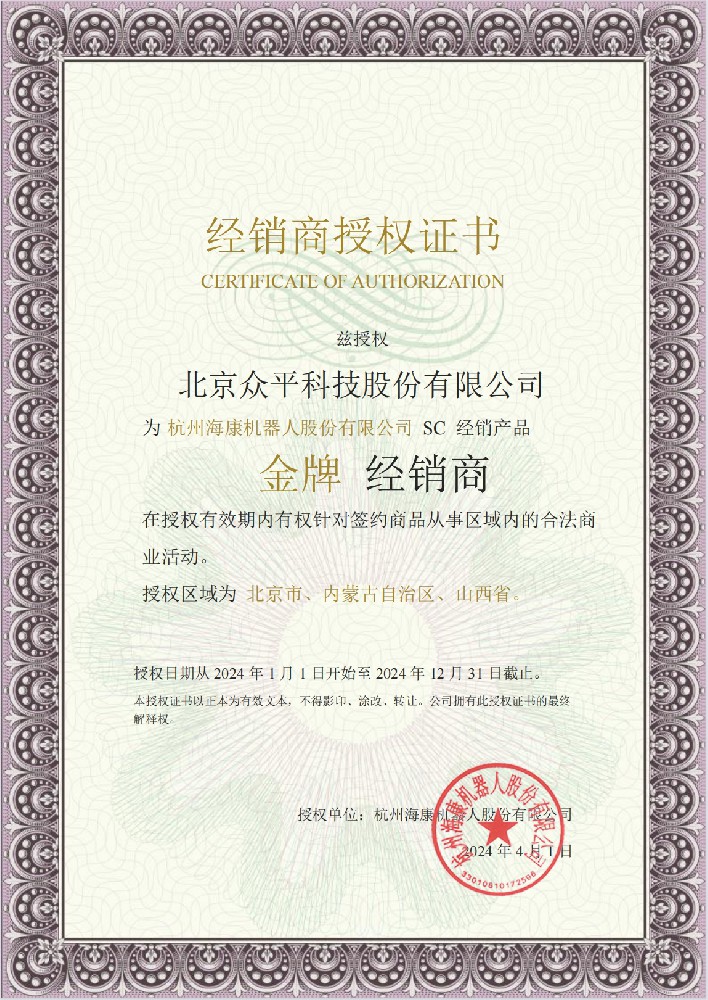
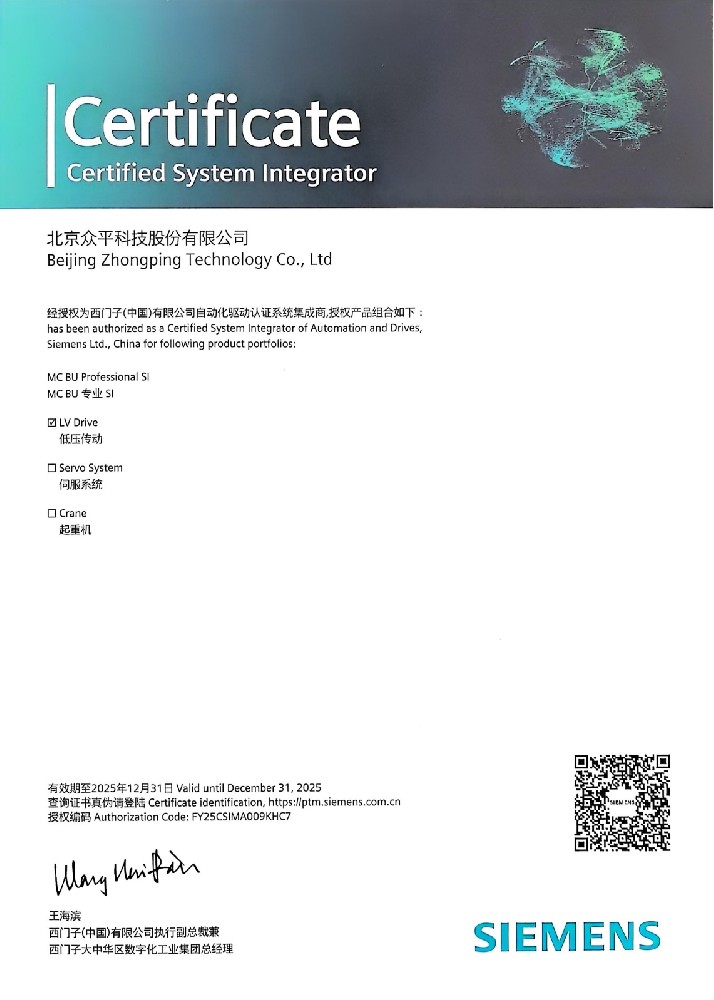
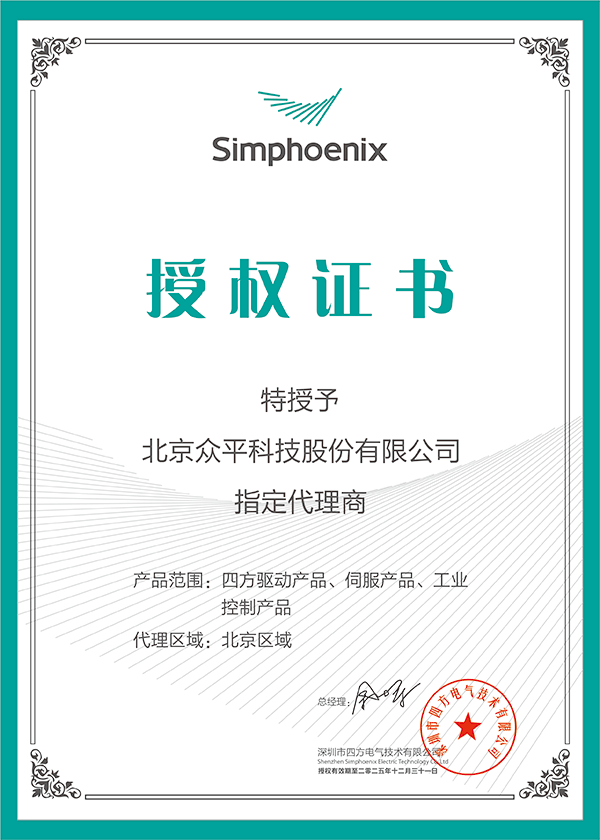
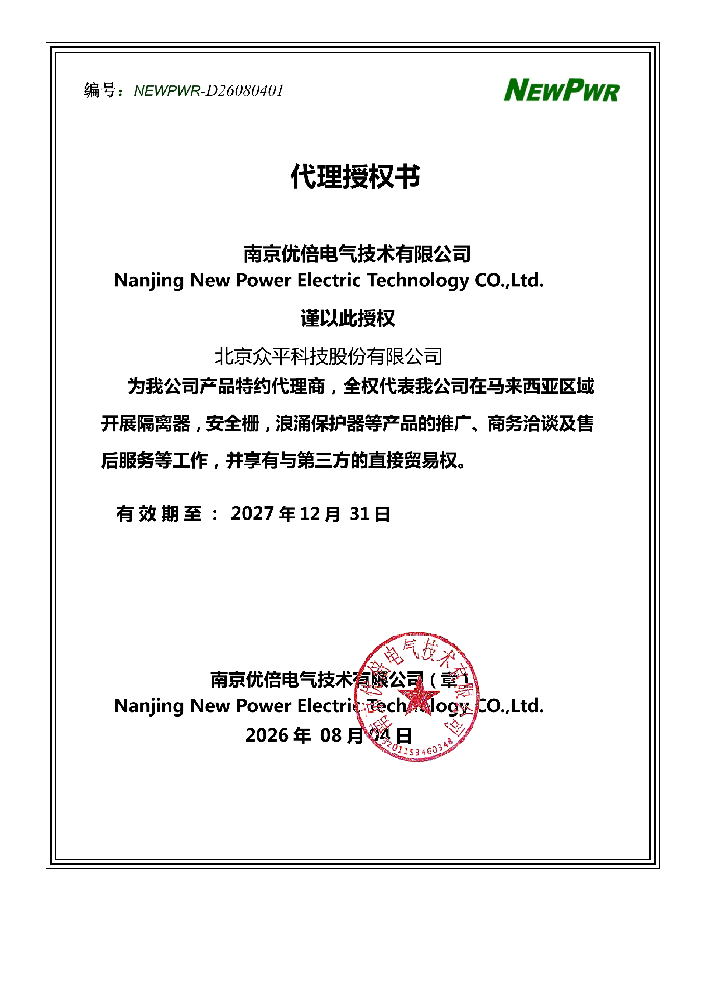
Pathway 2: Beijing Zhongping Technology Co., Ltd. Direct-to-Brand Resource Support
Core Pros and Cons: Rapid turnarounds, highly competitive pricing, and guaranteed preservation of original Siemens logic, system blocks, and DB variables.
Detailed Analysis: Working with specialized resources through Beijing Zhongping Technology gives factories a highly flexible alternative to official channels. By utilizing strategic global supply partnerships and maintaining an extensive inventory of Siemens-specific ICs, ASICs, and legacy components, they can achieve a 48-to-72-hour turnaround time. Because their engineers focus on component-level repairs rather than complete board swaps, they can extract, back up, and re-load the original microcode, DB variables, and system parameters, ensuring the PLC is returned fully plug-and-play-ready for the factory floor.
Pathway 3: Independent Local Repair Shops
Core Pros and Cons: Low initial cost, but carries high risks of recurring hardware failures, communication port damage, and complete data loss.
Detailed Analysis: Generic local workshops lack the specialized diagnostic jigs, step-7 communication simulators, and ESD cleanrooms required for delicate Siemens micro-electronics. They often substitute high-performance Siemens communication chips with low-grade commercial equivalents, resulting in communication dropouts under industrial EMI conditions. Furthermore, their lack of backup protocols means user programs are frequently lost during physical board modifications.
Standard Operating Procedures: Industrial PLC Maintenance Workflow
To prevent secondary damage to high-density multilayer PCBs, all hardware repairs must follow a strict, standardized engineering sequence.
1、Initial Triage and Memory Backup: Upon arrival, the Siemens PLC is registered and connected to a dedicated diagnostic terminal. Prior to physical intervention, engineers attempt to extract the system block (SDB), program block (OB/FC/FB), and data blocks (DB) to isolate and preserve custom logic.
2、Visual Microscopic and Thermal Profiling: The unit is cleaned under ESD-safe parameters. It is then inspected under high-magnification digital microscopes to identify fractured solder joints, micro-cracks, and bloated capacitors. An infrared camera is used to observe the board under low-current power to detect hot-running logic chips.
3、Component Replacement and Solder Work: Damaged components, such as power regulators, optocouplers, or communications ASICs, are removed using controlled-temperature hot-air rework stations. At Beijing Zhongping Technology, only premium-grade, temperature-resistant components matching original Siemens technical parameters are used to execute board modifications.
4、Hardware-in-the-Loop (HIL) Simulation: The repaired CPU is mounted on a dedicated test rack equipped with physical simulation IO cards and network nodes. The controller is subjected to multi-hour heat cycling and continuous communication loop-tests to verify Profibus, Profinet, and MPI port integrity under full network load.
5、Quality Sign-Off and Dispatch: The unit undergoes final physical inspection, has its diagnostic logs cleared of test faults, and is packed in moisture-barrier anti-static packaging before secure shipping to the client.
Real-World Field Case: Automotive Press Line Siemens PLC Emergency Recovery
Location: Munich, Germany
Macro Industry: Automotive Manufacturing
An automotive assembly plant in Germany experienced an unexpected shutdown on its main stamping press line when the central Siemens S7-400 CPU controller triggered a red "EXTF" (External Fault) and went completely offline. The local maintenance crew attempted to reboot the controller, but the system refused to initialize, and online communication could not be established. Because this press line supplied body panels for multiple vehicle models, every hour of idle time cost the facility thousands of Euros in lost production.
The plant engineering team bypassed their standard 4-week OEM replacement queue and contacted Beijing Zhongping Technology for urgent diagnostic intervention. Within 3 hours of the emergency dispatch, engineers identified that a high-voltage surge on the plant's 24V bus had breached the optoelectronic barriers of the S7-400's primary communication processor card, damaging the central ASIC chip.
The specialized repair lab received the card, safely extracted the customer’s proprietary firmware via JTAG interface, and replaced the damaged ASIC chip on a precision rework station. Following rigorous multi-node Profibus simulation testing, the fully repaired and program-preserved module was returned to the Munich facility. The press line was re-commissioned and fully operational within 48 hours of the initial call, avoiding a prolonged supply-chain crisis.
Frequently Asked Questions (FAQ)
Q1: Will my Siemens PLC retain its IP address and Profinet device names after repair?
A: Yes, when component-level repairs are performed correctly, the device's original IP addresses, Profinet names, and network node configurations are fully preserved. Professional diagnostic procedures avoid resetting the network chips to factory defaults, ensuring the unit is completely plug-and-play-ready upon re-installation.
Q2: How quickly can a Siemens PLC be repaired during an unplanned factory shutdown?
A: Standard emergency repair services take 48 to 72 hours. While seeking official OEM channels can result in weeks of downtime, specialized repair networks like Beijing Zhongping Technology can expedite the repair of critical controllers by leveraging deep on-site parts inventories.
Q3: How do I determine if a Siemens CPU "SF" (System Fault) light is a software bug or a hardware failure?
A: Connect your laptop to the CPU via TIA Portal or Step 7 and open the Online Diagnostic Buffer. If the buffer lists specific missing OBs or programmatic math errors, it is a software issue. If the buffer reports uncorrectable hardware memory faults, backplane connection drops, or if the CPU refuses to communicate at all, it is a physical hardware failure requiring depot repair.
Q4: What is the cost of professional Siemens PLC repair compared to a complete system migration?
A: Professional component repair typically costs 25% to 35% of the price of a new module, and a fraction of the cost of a full system migration, which requires expensive reprogramming and wiring. However, exact costs will fluctuate depending on module complexity and part availability. For detailed quotes, please contact Beijing Zhongping Technology.
Q5: Can legacy Siemens S5 and S7-200/300 obsolete modules still be repaired?
A: Yes, obsolete controllers can be highly reliably repaired. Specialist technical labs maintain extensive archives of original discontinued ICs and specialized testing rigs, allowing legacy PLCs to be fully restored and kept in service, saving plants from costly, forced system upgrades.
Q6: How are repaired communication ports tested to ensure they won't fail under heavy factory network traffic?
A: Repaired communication ports undergo physical loopback tests and Hardware-in-the-Loop (HIL) simulation. This involves connecting the PLC to a simulated network with high-density I/O traffic for several hours to confirm the transceiver chips can handle maximum baud rates without packet loss.
FAQ
1.Who are We?
Beijing Zhongping Technology Co., LTD., is a global industrial electrical automation service provider, is a scientific research, design, marketing, technical services, industrial Internet, international import and export services as one of the science and technology companies.
2.What can you buy from us?
PLC, inverter, human-machine interface, hydraulic products, low-voltage power distribution, industrial robots and core components
3.Is the item in stock or need to be purchased from another supplier?
We have a large inventory of goods and have our own warehouse.
4.What advantages do we have over other suppliers?
Our company has a large amount of inventory and a number of warehouses, but also in the country's important industrial provinces and cities with offices and a number of overseas service points. To provide you with intelligent manufacturing one-stop comprehensive services, save efforts, labor and cost.
5.Can you provide 100% new original authentic products?
We only sell new original genuine, no renovation, no fake, only for the original factory original!
6.How long is the delivery time?
If there is a stock, it will take 2-3 working days to ship, if the quantity is large, it will take 5-7 working days after receiving the payment, if it is not a conventional model, it will take some time, we will inform you of the specific delivery time.
7.Is there technical support available?
Of course, we have a professional technical team that can help you solve technical problems.
8.How do we guarantee quality?
We have three processes to control the quality of goods.
1) Our engineers will inspect the production and quality control in the factory regularly.
2) Incoming materials shall be inspected by experienced purchasing engineers before they can be stored.
3) At least 2 people in the logistics department cross-check the goods to be sent before delivery.
9.Can you guarantee the safe and reliable delivery of your products?
Yes, we strictly adopt the international standard packing. We also use special packaging for dangerous goods, and refrigerated shipping for items with temperature requirements. Special item packaging and general cargo standard packaging requirements may incur additional costs.
10.How about the freight?
The cost depends on how you choose to get the goods. Express is usually the fastest but also the most expensive way. Sea freight is the best solution for large quantities of goods. The exact shipping cost depends on the purchase amount、quantity and weight of your order. Please feel free to contact us for more information.

 +86 010-64225983
 +8613811814778
 Building 26, Liyuan Community, Chaoyang District, Beijing, China