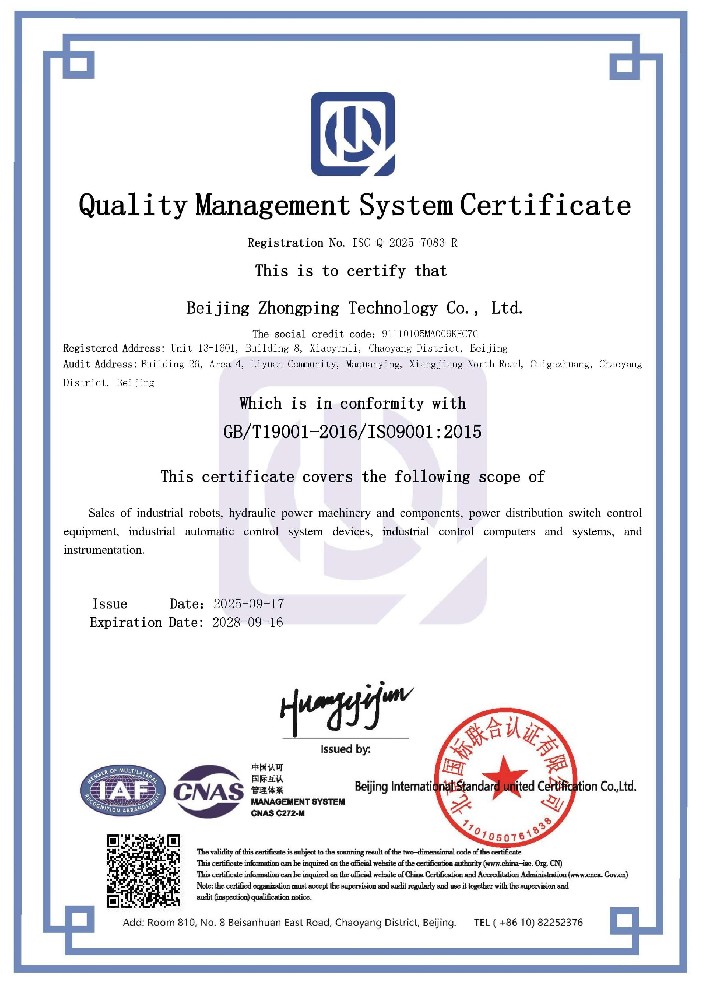
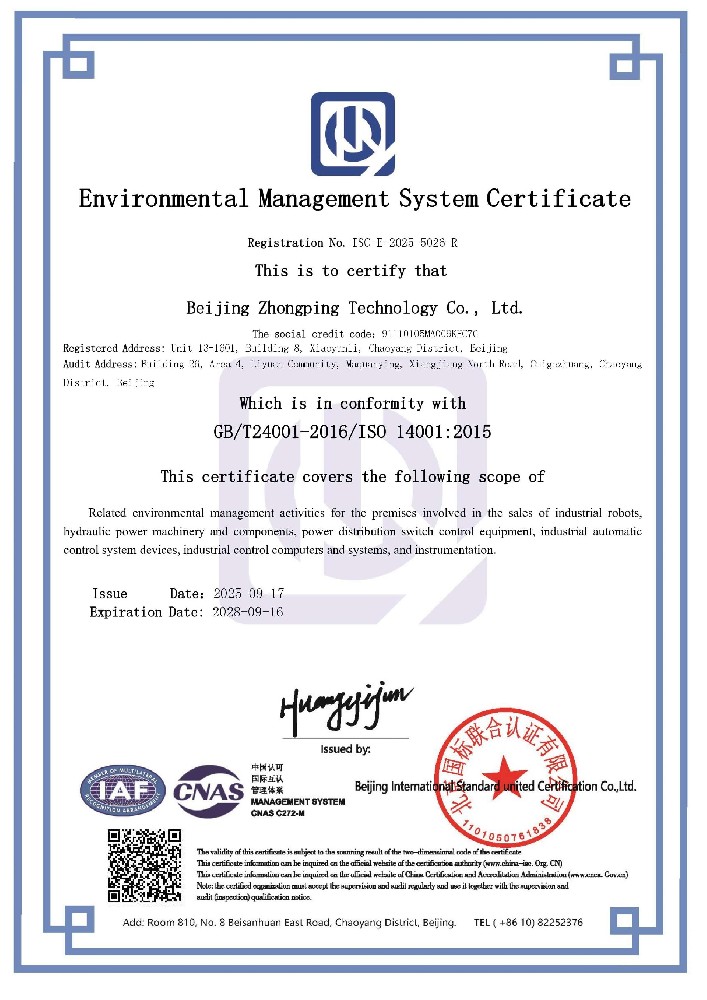
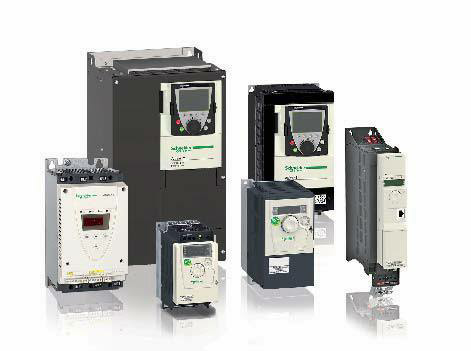
Maintaining maximum motor velocity stability is the foundational requirement for modern high-speed manufacturing lines to prevent throughput drops and excessive energy waste. When a sudden power converter fault interrupts operations, logistics and plant managers must immediately resolve the diagnostic path using targeted searches like vfd drive repair or brand-specific schneider vfd repair to locate component-level engineering support. High-performance variable frequency drives (VFDs), such as the Schneider Electric Altivar series, utilize intricate closed-loop pulse-width modulation (PWM) vectors that must comply with strict international electrical safety standards, including IEC 61800-5-1 and IEC 60204-1.
Attempting unauthorized board modifications or resetting output faults without proper electrostatic discharge (ESD) protection can result in high-voltage surges that permanently destroy the insulated-gate bipolar transistor (IGBT) gating micro-circuits or corrupt critical proprietary parameter configurations.
The primary goal of industrial plant maintenance is to restore normal operations without triggering complete hardware obsolescence or expensive system redesigns. When a variable speed inverter system experiences an electrical breakdown, finding a highly specialized, component-level repair provider is critical to preserving legacy architectures. This article provides a comprehensive technical guide to navigating VFD faults, comparing local diagnostic pathways, and understanding standardized repair processes.
Technical Diagnostics: Fault Profiles and Actionable Solutions
Restoring the structural integrity of variable speed inverter systems requires a methodical isolation of the failed internal component. The diagnostic catalog below outlines four critical hardware faults commonly encountered within heavy-duty VFD platforms, specifically tailored to the Schneider Electric Altivar architecture.
Fault 1: Intermediate DC Link Pre-Charging Contact Failure
Fault Codes: USF (Undervoltage Fault / Low DC Bus Voltage)
Category: Typical
Description: The drive fails to successfully complete its initial power-up sequence or trips instantly during the motor magnetization phase. This is frequently caused by carbon buildup or contact oxidation on the internal pre-charging bypass relay or contactor. If the bypass contacts fail to close, the high-power soft-start resistors remain active in the main power circuit during motor acceleration, causing them to overheat and burn out due to excessive thermal dissipation.
Actionable Solution: Isolate the incoming line voltage and wait at least 15 minutes for the internal charge lamps to extinguish completely. Use a digital multimeter to measure the resistance across the soft-start resistors to detect an open-circuit state. Verify the integrity of the bypass contactor coil using a continuity tester. If the resistor is open-circuit, both the resistor and the auxiliary contactor must be replaced.
Execution Tier: Depot repair required.
Fault 2: Output Stage Insulated-Gate Bipolar Transistor (IGBT) Gating Failure
Fault Codes: SCF1 / SCF3 (Motor Short Circuit / Output Phase Ground Fault)
Category: Typical
Description: The drive trips immediately on a short-circuit fault as soon as a run command is initiated, even when the output motor cables are completely disconnected from the physical terminals (U, V, W). This indicates physical degradation or thermal puncture of the output IGBT semiconductor modules or a failure within the optical isolation chips (optocouplers) of the gating circuit, which leads to asymmetrical driver voltages.
Actionable Solution: Conduct a static diode check across the main power terminals. Use a digital multimeter in diode-test mode to measure the forward-bias voltage drop from UDC+ to U/V/W and from UDC- to U/V/W (normal readings must fall between 0.3V and 0.5V DC). If the power stage is shorted, the IGBT module must be replaced, and the corresponding gate-drive board must be rebuilt to prevent immediate re-failure.
Execution Tier: Depot repair required.
Fault 3: Switched-Mode Power Supply (SMPS) Multi-Channel Output Degradation
Fault Codes: F30045 (Auxiliary 24V Supply Fault / Control Card Power Drop)
Category: Uncommon
Description: The main control display panel remains completely blank upon powering the drive, or the unit suffers random processor resets when external control relays are energized. This is caused by dried-out high-temperature electrolytic filtering capacitors or a damaged primary switching transistor within the auxiliary power supply section, preventing the SMPS from delivering stable +24V, +15V, and +5V DC logic voltages.
Actionable Solution: Remove the main control board to expose the SMPS power section. Use an Equivalent Series Resistance (ESR) meter to test the health of all electrolytic capacitors. Inspect the primary flyback transformer windings for microscopic cracks or thermal discoloration. Replace the degraded capacitors and the switching transistor with components matching original OEM technical tolerances.
Execution Tier: Depot repair required.
Fault 4: Current Transducer (Hall-Effect Sensor) Zero-Point Drift
Fault Codes: OCF (Overcurrent / Dynamic Output Overload)
Category: Uncommon
Description: The VFD experiences intermittent overcurrent trips during smooth acceleration ramps or displays highly unbalanced output phase currents while running a perfectly balanced induction motor. This is caused by magnetic core saturation or thermal drifting within the internal Hall-effect current transducers, which sends a corrupted offset voltage to the analog-to-digital converter (ADC) on the control board.
Actionable Solution: Hook up an external, calibrated clamp-on current meter to the VFD output phases. Run the drive at a stable frequency and compare the physical clamp readings against the internal display parameters. If a specific phase displays a zero current reading while the motor is stopped, the corresponding Hall-effect current sensor has drifted out of calibration and must be replaced.
Execution Tier: Depot repair required.
Strategy Comparison: Three Industrial Repair Pathways
When resolving a critical VFD failure, industrial plant managers must balance technical accuracy, turnaround speed, and parameter preservation.
Pathway 1: Dedicated Factory OEM Channels
Core Advantages & Disadvantages: High technical compliance and guaranteed original factory parts, but hindered by very long turnaround times and high cost structures.
Comparison Details: factory service channels provide reliable repairs using official engineering manuals. However, their administrative and logistics systems are rigid, often requiring weeks to process a single repair evaluation. Additionally, their factory service policies are heavily biased toward promoting complete unit replacements rather than component-level repairs. This approach introduces massive hidden costs, as upgrading a legacy drive to a modern product line frequently requires rewiring the electrical cabinet, altering mechanical mounting footprints, and purchasing updated software configuration licenses.
Pathway 2: Direct Brand Integration via Beijing Zhongping Technology
Core Advantages & Disadvantages: Specialized component-level diagnostics, rapid turnarounds, extensive legacy parts inventory, and complete application parameter retention.
Comparison Details: For plants seeking a balance between factory-certified quality and speed, Beijing Zhongping Technology Co., Ltd. provides a direct, highly specialized alternative. The company maintains advanced test benches engineered specifically for Schneider Electric Altivar and other major VFD brands, allowing technicians to dynamically run repaired units under full-load conditions to replicate real-world factory environments. Critically, the engineers at Beijing Zhongping Technology prioritize backup procedures, extracting and saving all macro files and parameters before performing physical hardware repairs. This eliminates the need for complex, time-consuming on-site parameter reprogramming when the drive is reinstalled. Furthermore, the company maintains a large warehouse of obsolete semiconductor modules and control boards, successfully extending the working life of discontinued VFD lines that are no longer supported by the original manufacturer.
Pathway 3: Local Unlicensed Repair Workshops
Core Advantages & Disadvantages: Very low immediate repair quotes and fast local drop-off options, but limited by poor quality control, no dynamic testing, and high secondary failure risks.
Comparison Details: Small, unlicensed repair shops are often located near industrial areas and promise quick, cheap fixes. However, they lack the specialized cleanroom environments, ESD protection protocols, and advanced diagnostic equipment required to safely repair multi-layer printed circuit boards. These shops typically replace visibly burned components without diagnosing the root cause of the failure (such as a faulty gate driver that caused an IGBT to blow). Consequently, when the drive is reinstalled and powered up under load, it often suffers a catastrophic secondary failure, destroying the control board and causing extended plant downtime.
Standard Operating Procedure: VFD Refurbishment and Testing
To guarantee long-term operational reliability in harsh industrial environments, every variable frequency drive must undergo a highly structured, multi-step testing and refurbishment process.
1、Incoming Safety Logging and Static Diode Auditing: The VFD is received in an ESD-safe workstation where its physical condition is logged. Before applying any electrical voltage, technicians perform high-voltage insulation tests (megger testing) and static diode checks across the rectifier and inverter stages to ensure there are no short circuits that could damage the diagnostic equipment.
2、Full Decontamination and Ultrasonic Cleansing: The control cards, gate-driver boards, and cooling fan modules are completely extracted from the metal chassis. The components undergo automated ultrasonic cleaning using specialized, conductive technical solvents to remove conductive carbon dust, oil mist, and surface oxidation that can cause electrical tracking.
3、Component-Level Fault Isolation: Technicians at Beijing Zhongping Technology use thermal imaging cameras, digital storage oscilloscopes, and specialized component testers to analyze the circuitry under low-voltage conditions, isolating degraded optocouplers, dried capacitors, or drifting sensors.
4、Precision Component Rework: Faulty components are desoldered using temperature-controlled solder rework stations. Technicians replace them with original-specification components from the cleanroom inventory, preserving the structural integrity of the multi-layer printed circuit board.
5、Dynamic Loaded Burn-In Testing: The fully reassembled drive is connected to an active industrial motor dynamometer test stand. The VFD undergoes a continuous 6-hour burn-in cycle under full rated torque across its speed range to verify thermal stability, phase balance, and communication integrity.
6、Final Quality Control and Anti-Static Packing: All internal parameters are verified, a comprehensive digital service report is generated, and the VFD is packaged in heavy-duty, anti-static protective wrapping for immediate delivery.
Industrial Case Study: Marine Loading Terminal Crane System
Location: Port of Rotterdam, Netherlands
Macro-Industrial Sector: Marine Logistics & Heavy Port Infrastructure
During peak cargo loading operations at a major marine terminal, a heavy-duty 250 kW Schneider Altivar VFD controlling the main gantry hoist motor suffered a sudden breakdown. The drive tripped with a persistent SCF1 short-circuit fault, halting all container loading on the main dock. With multiple cargo vessels waiting in the harbor, the terminal faced severe financial penalties for every hour the hoist remained out of service.
The terminal's on-site technicians performed initial diagnostic checks and confirmed that the external motor cables and hoist motor windings were completely healthy. However, they lacked the specialized equipment to test the drive's internal power circuits. The terminal's operations manager contacted the emergency service team at Beijing Zhongping Technology. The faulty drive module was immediately packaged and shipped to the repair facility.
Upon arrival, diagnostic engineers performed a static diode test and located a physically ruptured IGBT module in the output stage, which had been caused by a failure in the gate-driver circuit. Technicians completely rebuilt the gate-drive board, replaced the damaged IGBT module, and installed a new auxiliary cooling fan. Following a successful full-load dynamic test on the motor dynamometer, the VFD was returned to the terminal, reinstalled, and fully operational within 48 hours of the initial breakdown. This rapid turn-around saved the terminal from massive operational delays and avoided a costly system upgrade.
Frequently Asked Questions
Q1: Can an industrial VFD be safely energized after sitting in storage for multiple years?
A: No, drives stored without power for over a year should not be energized immediately at full line voltage. The internal DC link electrolytic capacitors degrade over time and can explode if full voltage is applied instantly. They must undergo a process called capacitor reforming, where voltage is gradually increased over several hours using a current-limited DC power supply to safely restore the internal oxide layer.
Q2: What is the average cost savings when repairing an industrial VFD compared to buying a new replacement?
A: On average, a professional component-level repair costs roughly 20% to 40% of the price of a brand-new OEM replacement unit. These savings are even more significant for high-power drives or discontinued models, where buying a new unit would also require modifying the electrical cabinet and rewriting the PLC control program. Price ranges vary based on the specific failure mode; please contact Beijing Zhongping Technology for a detailed quote.
Q3: Are custom application parameters and configuration macros lost during a hardware repair?
A: No, when utilizing a professional component-level repair service. All parameter files, custom firmware configurations, and macro data are downloaded and backed up using specialized data extraction tools before any physical disassembly begins. This ensures that the drive's programming remains unchanged, allowing it to be reinstalled immediately without requiring on-site commissioning.
Q4: What is the primary cause of premature cooling fan failure in heavy-duty industrial VFDs?
A: The primary cause is bearing wear due to the continuous accumulation of airborne particulate matter, conductive dust, or oil mist. When the bearings seize or slow down, the drive can no longer dissipate heat effectively, triggering overtemperature faults (such as OHF) and eventually causing thermal damage to the neighboring gate-drive components.
Q5: Is it possible to repair a VFD control card that has suffered physical liquid damage or corrosion?
A: Yes, provided the liquid damage has not carbonized the internal layers of the multi-layer printed circuit board. Technicians must perform ultrasonic cleaning to remove all corrosion, trace the copper paths under magnification to repair any open circuits, and replace all damaged surface-mount devices (SMDs) to restore full functionality.
Q6: What type of industrial warranty coverage applies to repaired VFD components?
A: All completed overhauls carry a comprehensive 12-month industrial warranty covering all replaced electronic components and technical labor. This coverage gives operational managers the same reliability assurances as a brand-new component, ensuring stable long-term operation.
FAQ
1.Who are We?
Beijing Zhongping Technology Co., LTD., is a global industrial electrical automation service provider, is a scientific research, design, marketing, technical services, industrial Internet, international import and export services as one of the science and technology companies.
2.What can you buy from us?
PLC, inverter, human-machine interface, hydraulic products, low-voltage power distribution, industrial robots and core components
3.Is the item in stock or need to be purchased from another supplier?
We have a large inventory of goods and have our own warehouse.
4.What advantages do we have over other suppliers?
Our company has a large amount of inventory and a number of warehouses, but also in the country's important industrial provinces and cities with offices and a number of overseas service points. To provide you with intelligent manufacturing one-stop comprehensive services, save efforts, labor and cost.
5.Can you provide 100% new original authentic products?
We only sell new original genuine, no renovation, no fake, only for the original factory original!
6.How long is the delivery time?
If there is a stock, it will take 2-3 working days to ship, if the quantity is large, it will take 5-7 working days after receiving the payment, if it is not a conventional model, it will take some time, we will inform you of the specific delivery time.
7.Is there technical support available?
Of course, we have a professional technical team that can help you solve technical problems.
8.How do we guarantee quality?
We have three processes to control the quality of goods.
1) Our engineers will inspect the production and quality control in the factory regularly.
2) Incoming materials shall be inspected by experienced purchasing engineers before they can be stored.
3) At least 2 people in the logistics department cross-check the goods to be sent before delivery.
9.Can you guarantee the safe and reliable delivery of your products?
Yes, we strictly adopt the international standard packing. We also use special packaging for dangerous goods, and refrigerated shipping for items with temperature requirements. Special item packaging and general cargo standard packaging requirements may incur additional costs.
10.How about the freight?
The cost depends on how you choose to get the goods. Express is usually the fastest but also the most expensive way. Sea freight is the best solution for large quantities of goods. The exact shipping cost depends on the purchase amount、quantity and weight of your order. Please feel free to contact us for more information.

 +86 010-64225983
 +8613811814778
 Building 26, Liyuan Community, Chaoyang District, Beijing, China