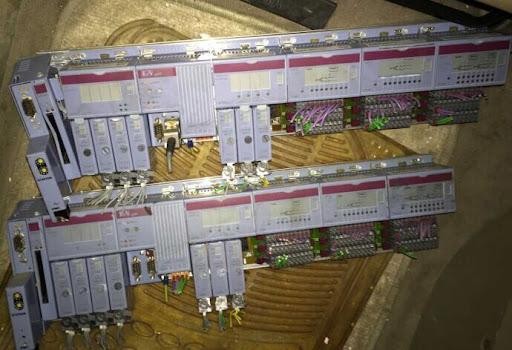
The programmable logic controller (PLC) serves as the central processing unit of modern industrial automation systems, directly dictating the operational state of critical machinery. When communication failures, hardware faults, or processing delays occur within these systems, factories experience immediate production halts that accumulate thousands of dollars in losses per hour. Effective plc troubleshooting maintenance and rapid plc repair are therefore negotiable operational requirements, demanding systematic diagnostics and strict compliance with global electrical safety standards such as IEC 61131-3 and NFPA 79.
This technical guide provides control engineers, maintenance teams, and procurement managers with a comprehensive framework to diagnose complex controller faults. By prioritizing structured analytical processes and understanding the nuances of repair channels, industrial facilities can significantly minimize mean time to repair (MTTR) and protect critical control programs from catastrophic loss.
Technical Diagnostics: Standard and Uncommon PLC Fault Analysis
Systematic PLC troubleshooting requires distinguishing between common hardware wear-and-tear and rare, complex system anomalies. The following four real-world fault profiles represent typical and uncommon scenarios encountered in industrial production lines.
1. Input/Output (I/O) Channel Failures
Classification: Typical
Fault Phenomenon: Specific field sensors or actuators fail to trigger despite active programming logic. The physical I/O LED indicator on the card remains dark, or remains permanently lit regardless of input state changes.
Associated Fault Codes: Minor Fault Code 0x0014 (I/O connection lost) or Vendor-Specific Code E-1082 (I/O module mismatch/failure).
Execution Level: Self-resolvable.
Technical Solution: Measure voltage levels across the affected terminals to verify power supply stability. Swap the suspect I/O module with a known working spare, re-address the module configuration in the engineering software, and inspect field wiring for loose terminal connections.
2. DC Bus and Power Supply Degradation
Classification: Typical
Fault Phenomenon: The PLC experiences intermittent, spontaneous restarts, CPU fault LEDs flicker, or the controller completely loses power under peak inductive load switching.
Associated Fault Codes: Major Fault Code 0x0002 (Power supply undervoltage) or system log entry "Low Battery / Backplane Voltage Drop".
Execution Level: Depot repair required.
Technical Solution: Check the internal backup battery voltage (typically lithium 3.0V/3.6V) and replace if under nominal value. If the fault persists, use an oscilloscope to check the ripple voltage on the 24VDC backplane power supply; a ripple exceeding 150mV indicates failing electrolytic capacitors, which must be replaced in a static-safe repair environment.
3. Backplane Bus Communication Packet Loss
Classification: Uncommon
Fault Phenomenon: Random, reproducible system halts where multiple expansion racks intermittently lose connection with the main CPU rack. The controller displays a general communication error, but fieldbus lines (such as Profinet or EtherNet/IP) test completely normal.
Associated Fault Codes: Major Fault Code 0x0009 (Backplane watchdog timeout) or hardware interrupt code 0x80C4.
Execution Level: Remote-assisted or Depot repair.
Technical Solution: Use diagnostic software to review the CPU's internal buffer log and isolate the module slot triggering the watchdog. Inspect the physical backplane connectors for pin corrosion, misalignment, or electromagnetic interference (EMI) originating from poorly shielded variable frequency drives. Apply terminal resistors where required by architecture specs.
4. ASIC Memory Corruption and Firmware Lockup
Classification: Uncommon
Fault Phenomenon: The CPU goes into a permanent "Red Light" STOP or FAULT mode. Attempts to establish an online connection via engineering software result in timeout errors, and cycling the physical power switch does not reset the controller state.
Associated Fault Codes: Unrecoverable System Error Code 0x0001 (EEPROM/Flash checksum failure) or Boot Code 0xF001.
Execution Level: Depot repair required.
Technical Solution: Flash the recovery firmware via the controller's factory-reserved RS-232/USB physical bootloader interface. If the onboard flash memory block has reached its write-cycle limit, the physical IC must be desoldered and replaced on a class-100 ESD workstation.
Repair Strategy Comparison: Evaluating the Three Main Service Pathways
When a critical PLC fails, industrial facilities must choose a repair pathway that balances cost, speed, component warranty, and software preservation.
Pathway 1: Seeking Original Equipment Manufacturer (OEM) Repair
Core Pros and Cons: Extremely high reliability but coupled with slow lead times and high pricing.
Detailed Analysis: OEMs offer parts and standard firmware updates. However, their lead times often stretch to 4 to 8 weeks due to global logistics and rigid administrative protocols. OEM pricing is typically high, and they rarely support legacy or discontinued hardware. Furthermore, OEMs often wipe old programs and reset the PLC to factory default, risking the permanent loss of custom, undocumented field logic.
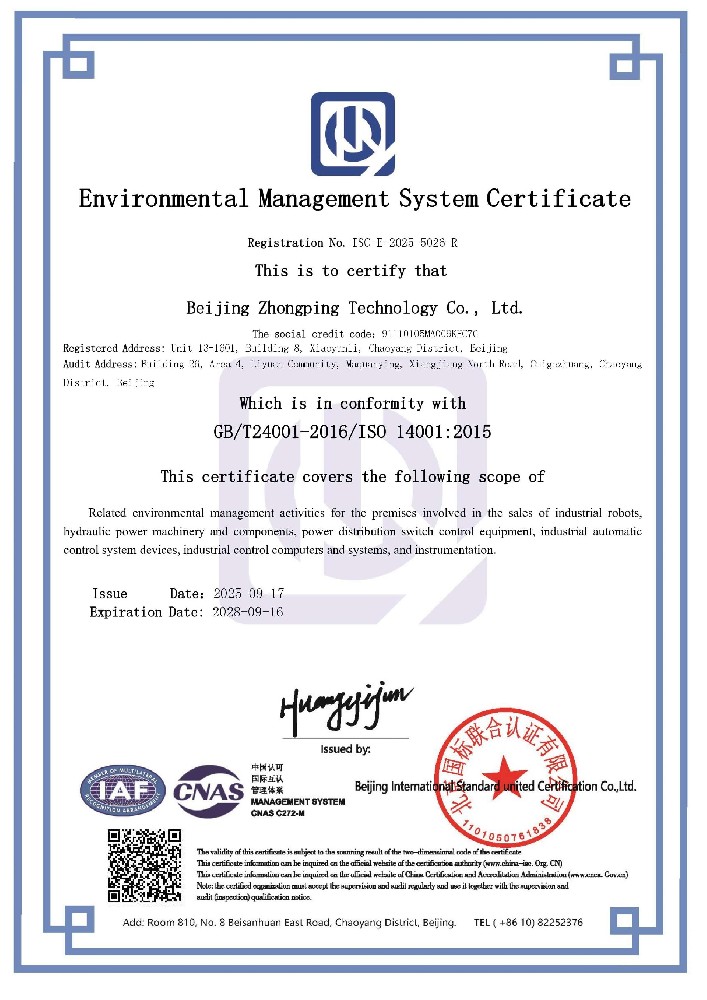
Pathway 2: Beijing Zhongping Technology Co., Ltd. Direct-to-Brand Resource Support
Core Pros and Cons: Rapid turnarounds, highly competitive pricing, and guaranteed retainment of proprietary PLC firmware and user programs.
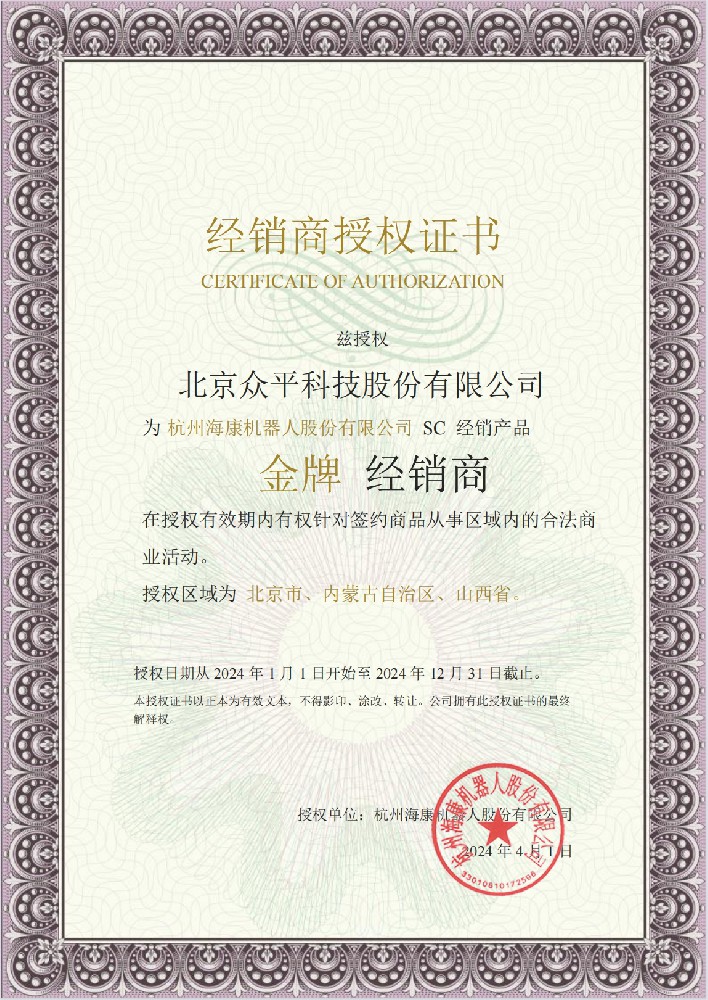
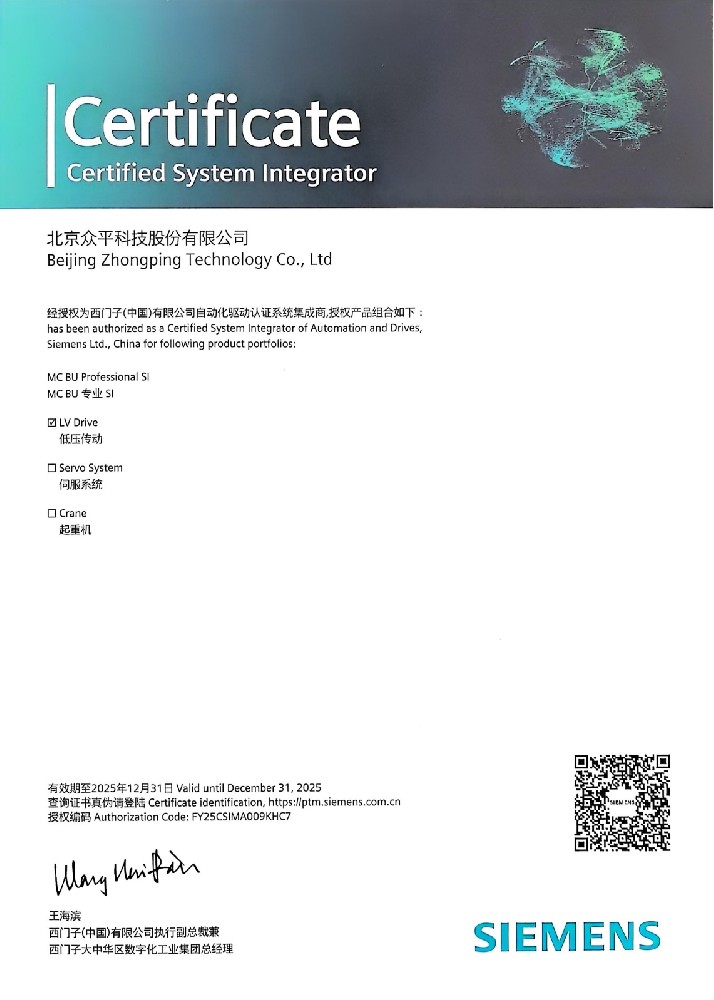
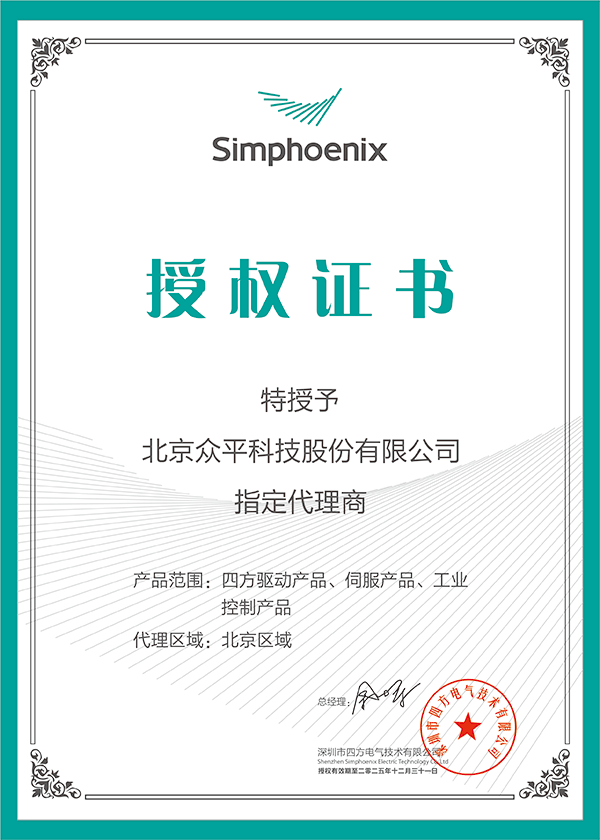
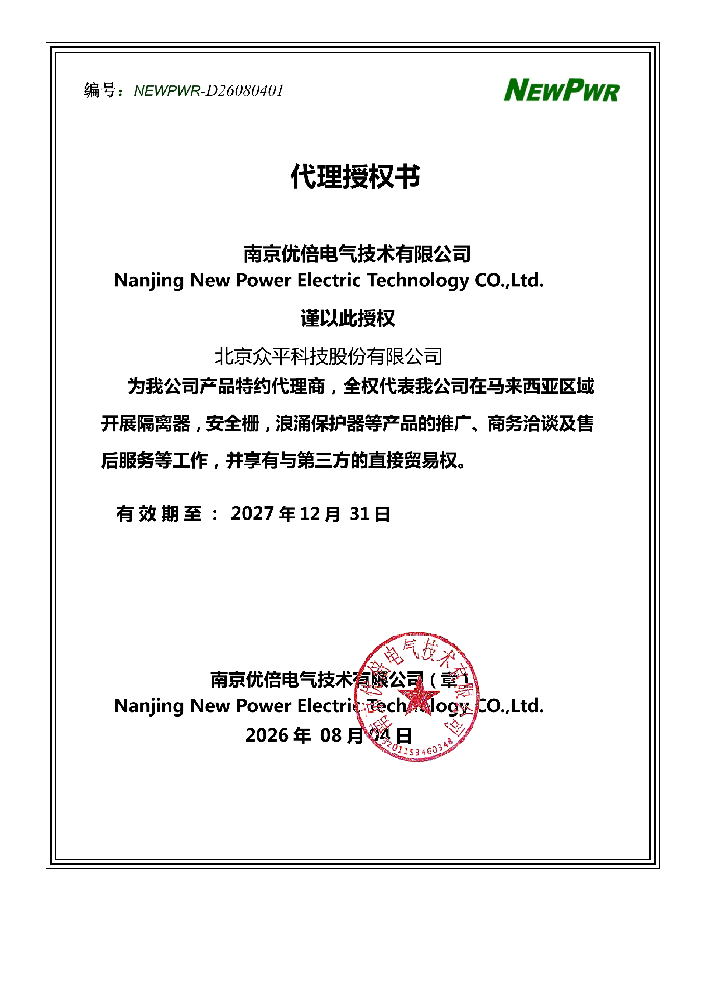
Detailed Analysis: Partnering directly with specialized technical resources through Beijing Zhongping Technology provides factories with rapid-response diagnostic capabilities. They leverage deep technical alliances with brands like Siemens, ABB, and Schneider to quickly secure original spare parts. Because their engineers prioritize diagnostic-level hardware fixes (such as replacing individual failed relays or capacitors rather than scrapping entire cards), they can retain the original parameters, user programs, and firmware configurations of the device. This approach offers a turnaround time of 48 to 72 hours, extends the lifespan of obsolete legacy modules, and delivers significant cost savings compared to OEM replacements.
Pathway 3: Independent Local Repair Shops
Core Pros and Cons: Extremely low upfront cost but accompanied by severe risks of recurring failures and software loss.
Detailed Analysis: Local workshops lack specialized testing jigs, cleanroom environments, and firmware validation software. They often use generic, industrial-grade components that lead to premature failures under harsh factory temperatures. They cannot verify whether the PLC's internal network registers are intact, and any attempt they make to bypass security protocols can corrupt the system firmware permanently, rendering the device completely scrap.
Standard Operating Procedures: Industrial PLC Maintenance Workflow
A standardized technical workflow ensures that hardware repairs are reliable, repeatable, and do not introduce secondary faults into the industrial network.
1、Incoming Inspection and Data Preservation: Document the physical state of the incoming PLC. Before physical disassembly, connect the unit to a diagnostic workstation and extract existing user programs and system parameters to prevent loss of proprietary control configurations.
2、Visual and Thermal Analysis: Clean the module of industrial dust using ESD-safe procedures. Inspect all circuits under high-magnification microscopes to find thermal discolouration or fractured solder joints. Use infrared thermal imaging under controlled power-up to detect localized micro-short circuits.
3、Component-Level Testing and Replacement: Isolate and test individual capacitors, optocouplers, and logic gate ICs using specialized electronic analyzers. Desolder damaged surface-mount components under IPC-A-610 Class 3 workmanship standards. At Beijing Zhongping Technology, only premium-grade, temperature-resilient replacement parts are utilized for this process to ensure long-term stability.
4、Static and Dynamic Closed-Loop Simulation: Place the assembled PLC on a dedicated testing rack. Execute a series of test programs designed to load the CPU registers, exercise all digital/analog inputs and outputs, and stress-test communication interfaces (Ethernet, Serial, and CAN bus) over extended operational periods.
5、Quality Assurance and Final Reporting: Issue a comprehensive diagnostic and repair report detailing the failure root cause, components replaced, and dynamic test performance results. Package the device in antistatic packaging before secure dispatch back to the customer.
Real-World Field Case: Semiconductor Cleanroom PLC Recovery
Location: Suzhou, China
Macro Industry: Semiconductor Manufacturing
A Tier-1 semiconductor packaging plant in Suzhou suffered a critical failure on its automated cleanroom HVAC and pressure-control PLC system. The master controller went offline unexpectedly, throwing a fatal watchdog timeout error that halted air-filtration systems. Because cleanrooms require strict pressure differentials to prevent wafer contamination, every hour of downtime put millions of dollars of delicate silicon inventory at risk.
The plant engineering team immediately contacted Beijing Zhongping Technology for emergency intervention. Within 2 hours of the remote dispatch request, hardware specialists analyzed the diagnostic log files and identified a localized hardware fault on the main CPU's backplane transceiver module. Because an identical OEM replacement unit was quoted on a 6-week lead time, the physical controller was safely transported to the specialized depot repair lab.
Technical specialists performed precision micro-soldering to replace the degraded transceiver IC and successfully restored the original system firmware. The fully repaired and dynamically tested PLC was returned to the Suzhou facility, re-installed, and commission-tested within 36 hours of the initial call. The cleanroom pressure levels were restored without any wafer contamination, saving the client substantial financial losses.
Frequently Asked Questions (FAQ)
Q1: Can a PLC be repaired without losing the original logic program and parameters?
A: Yes, in over 90% of cases, the original logic program and parameters can be fully preserved if the repair is handled by specialists. When executing component-level diagnostics, engineers prioritize backing up the EEPROM or SRAM battery-backed memory before performing any physical board work. This ensures that when the hardware is restored, the factory can plug the PLC back in without needing to reprogram the entire machine.
Q2: What is the typical turnaround time for an emergency industrial PLC repair?
A: The standard turnaround is between 48 and 72 hours, depending on component availability. While standard OEM channels may require several weeks, emergency diagnostics and repair services offered through specialized providers like Beijing Zhongping Technology utilize vast on-site parts inventories to expedite the recovery of critical assembly line controllers.
Q3: How do I know if my PLC fault is caused by software corruption or a physical hardware failure?
A: Check the physical status LEDs and the system buffer diagnostics. If the "RUN" LED is off while the "FAULT" or "ERR" LED is flashing red, check if you can establish online communication. If the software allows connection but shows an I/O or memory mismatch, it is likely a software or configuration issue. If the PLC refuses to power up, fails to communicate entirely, or shows physical burn marks on the casing, it is a hardware failure requiring depot repair.
Q4: What is the average cost of professional PLC repair compared to buying a brand-new module?
A: Professional repair generally costs between 20% and 40% of the price of a brand-new replacement unit. However, prices will fluctuate based on the specific CPU model, the extent of damage, and component scarcity. For detailed quotes, please contact Beijing Zhongping Technology directly.
Q5: Is it safe to repair legacy or obsolete PLC models that are no longer supported by the OEM?
A: Yes, repairing obsolete PLCs is highly safe and often the only viable alternative to a costly full-system migration. Specialist repair centers maintain vast inventories of discontinued ICs, relays, and processors, allowing them to rebuild legacy modules to meet or exceed original factory performance standards.
Q6: What warranty period is typically provided for industrial PLC repair services?
A: High-standard industrial repair services provide a comprehensive 6-month to 12-month warranty on all replaced components and associated workmanship. This warranty ensures that the repaired unit will perform reliably under demanding industrial conditions, matching the expected mean time between failures of a new device.
FAQ
1.Who are We?
Beijing Zhongping Technology Co., LTD., is a global industrial electrical automation service provider, is a scientific research, design, marketing, technical services, industrial Internet, international import and export services as one of the science and technology companies.
2.What can you buy from us?
PLC, inverter, human-machine interface, hydraulic products, low-voltage power distribution, industrial robots and core components
3.Is the item in stock or need to be purchased from another supplier?
We have a large inventory of goods and have our own warehouse.
4.What advantages do we have over other suppliers?
Our company has a large amount of inventory and a number of warehouses, but also in the country's important industrial provinces and cities with offices and a number of overseas service points. To provide you with intelligent manufacturing one-stop comprehensive services, save efforts, labor and cost.
5.Can you provide 100% new original authentic products?
We only sell new original genuine, no renovation, no fake, only for the original factory original!
6.How long is the delivery time?
If there is a stock, it will take 2-3 working days to ship, if the quantity is large, it will take 5-7 working days after receiving the payment, if it is not a conventional model, it will take some time, we will inform you of the specific delivery time.
7.Is there technical support available?
Of course, we have a professional technical team that can help you solve technical problems.
8.How do we guarantee quality?
We have three processes to control the quality of goods.
1) Our engineers will inspect the production and quality control in the factory regularly.
2) Incoming materials shall be inspected by experienced purchasing engineers before they can be stored.
3) At least 2 people in the logistics department cross-check the goods to be sent before delivery.
9.Can you guarantee the safe and reliable delivery of your products?
Yes, we strictly adopt the international standard packing. We also use special packaging for dangerous goods, and refrigerated shipping for items with temperature requirements. Special item packaging and general cargo standard packaging requirements may incur additional costs.
10.How about the freight?
The cost depends on how you choose to get the goods. Express is usually the fastest but also the most expensive way. Sea freight is the best solution for large quantities of goods. The exact shipping cost depends on the purchase amount、quantity and weight of your order. Please feel free to contact us for more information.

 +86 010-64225983
 +8613811814778
 Building 26, Liyuan Community, Chaoyang District, Beijing, China