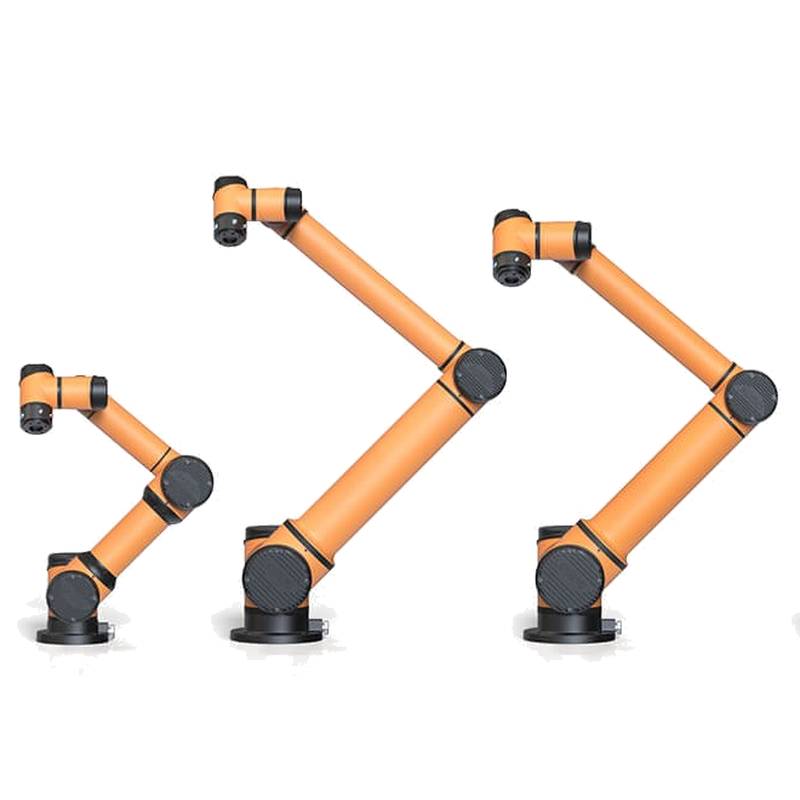
The AUBO iH Series Industrial Collaborative Robots represent a significant advancement in automation technology, designed to seamlessly integrate into diverse industrial settings. These industrial robots are engineered to work harmoniously alongside human operators, enhancing both productivity and safety in manufacturing environments. As collaborative robots, they embody flexibility and precision, making them indispensable tools for modern automation challenges. Addressing the growing need for adaptable and efficient robotic solutions, the AUBO iH Series offers a compelling answer for businesses seeking to optimize their operations, particularly in applications requiring a balance of sophisticated automation and human-robot interaction. The inherent modularity and open architecture of these robots also simplify maintenance and integration, reducing total cost of ownership and accelerating return on investment.
Product Type & Category Positioning
The AUBO iH Series falls under the category of collaborative robots, specifically designed for industrial automation. Unlike traditional industrial robots that often require extensive safety guarding and operate in isolation, collaborative robots are built with inherent safety features that allow them to operate in close proximity to human workers. The iH Series is positioned as a versatile automation solution, suitable for a wide range of tasks from intricate assembly to heavier pick-and-place operations. This positioning is further defined by its modular design and open architecture, which allows for extensive customization and integration with other systems, differentiating it from more proprietary or closed systems. Building on this classification, the iH Series is engineered to meet the demand for flexible automation that can be quickly redeployed and programmed, often in under an hour, for various applications.
Technical Specifications
Payload: 3 KG, 5 KG, 10 KG, 16 KG, 20 KG (per manufacturer datasheet)
Weight: 16 KG (i3), 24 KG (i5), 38.5 KG (i10), 38 KG (i16), 63 KG (i20) (per manufacturer datasheet)
Repeatability: ±0.02 MM (i3, i5), ±0.03 MM (i10, i16), ±0.1 MM (i20) (per manufacturer datasheet)
Reach: 625 mm (i3), 886.5 mm (i5), 1350 mm (i10), 967.5 mm (i16), 1650 mm (i20) (per manufacturer datasheet)
Degrees of Freedom: 6 (per manufacturer datasheet)
Mounting Orientation: Any ceiling, floor, wall (per manufacturer datasheet)
IP Classification: IP54 (per manufacturer datasheet)
Ambient Temperature: 0-50 °C (per manufacturer datasheet)
Ambient Humidity: 90% RH (Non-condensing) (per manufacturer datasheet)
Average Power Consumption: 150 W (i3), 200 W (i5), 500 W (i10), 200 W (i16), 500W (i20) (per manufacturer datasheet)
Peak Power Consumption: 1000 W (i3), 2000 W (i5), 2000 W (i10), 2000 W (i16), 2000W (i20) (per manufacturer datasheet)
Technical Highlights
The AUBO iH Series collaborative robots are engineered with a strong emphasis on modularity and an open architecture. This design choice significantly enhances serviceability, allowing individual joints to be replaced quickly and efficiently, thereby minimizing downtime. Furthermore, the open architecture facilitates seamless integration with a wide array of third-party hardware and software, offering unparalleled flexibility for customization and system expansion. Safety is a paramount concern, with the iH Series complying with stringent international standards such as EN ISO 13849-1:2015 (PL=d, CAT 3) and ISO/TS 15066. This compliance, combined with advanced collision detection and safety testing, often eliminates the need for additional safety guarding, simplifying deployment and reducing costs.
Application Scenarios Assembly Operations: The high repeatability of ±0.02 mm to ±0.03 mm allows for precise placement of components, increasing yield and reducing errors in delicate assembly tasks. Pick and Place: With payloads ranging from 3 kg to 20 kg and reach capabilities up to 1650 mm, the iH Series efficiently handles a wide variety of parts for automated material handling. Machine Tending: The robots can be easily programmed to load and unload parts from machinery, optimizing machine utilization and operator efficiency. Deploying these robots can often be achieved within hours. Quality Inspection: The high precision and consistent performance enable automated visual inspections and other quality control tasks. Welding and Machining: The robust design and precision capabilities make the iH Series suitable for automated welding and machining applications, enhancing consistency and throughput. Palletizing: Larger payload models can be configured for palletizing operations, automating the stacking of goods for logistics and shipping.
Selection Recommendations Suitable for: Electronics assembly requiring high precision and repeatability, such as the 3C industry. The ±0.02 mm repeatability of the i3 and i5 models ensures minimal component placement error, and their lighter payloads (3-5 kg) are ideal for handling small, delicate parts. Suitable for: Machine tending in CNC operations where consistent loading and unloading are critical for maintaining production flow. The 10 kg payload of the i10 model, combined with its 1350 mm reach, allows it to effectively tend a variety of machine sizes. Not suitable for: Heavy-duty, high-impact applications like metal casting deburring where extreme shock loads and abrasive environments could exceed the robot's design parameters or compromise its IP54 rating. Consideration for: Applications demanding higher payload capacity or longer reach than the iH Series offers, such as very large part palletizing or heavy material handling. In such cases, the AUBO iS series, with models like the iS25 (25 kg payload) or iS35, would be a more appropriate choice.
FAQ
1. What is the maximum payload capacity of the AUBO iH Series collaborative robots?
The maximum payload capacity across the AUBO iH Series varies by model, with options ranging from 3 kg up to 20 kg.
2. Can these industrial robots be integrated with third-party vision systems?
Yes, AUBO collaborative robots can be perfectly integrated with third-party vision systems through serial port or Ethernet protocols, supporting brands like Cognex, Basler, and Sick.
3. What is the repeatability accuracy of the AUBO iH Series?
The repeatability accuracy for the AUBO iH Series ranges from ±0.02 mm for models like the i3 and i5, up to ±0.03 mm for the i10 and i16, and ±0.1 mm for the i20.
4. How long does it typically take to deploy and program an AUBO collaborative robot?
AUBO cobots are designed for rapid deployment, often deployable within hours, and can typically be programmed for a first simple task in under 30 minutes by an untrained user.
5. What are the typical lead times for AUBO collaborative robots?
Lead times vary based on current inventory and configuration requirements. We verify stock availability against your specific model and options upon order inquiry. Standard delivery typically ranges from 5 to 15 working days after order confirmation, depending on the destination. For expedited shipping options, please contact our logistics team for a time‑sensitive quote.
6. What is the weight of the AUBO iH Series collaborative robots?
The weight of the AUBO iH Series robots varies by model, with the AUBO-i3 weighing 16 kg, the AUBO-i5 weighing 24 kg, the AUBO-i10 weighing 38.5 kg, and the AUBO-i16 weighing 38 kg.
7. Can an AUBO collaborative robot be mounted in different orientations?
Yes, the AUBO iH Series robots support any mounting orientation, including ceiling, floor, and wall installations.
8. What is the IP classification of the AUBO iH Series robots?
The AUBO iH Series robots have an IP54 classification, providing protection against dust and splashing water.
9. How does the ±0.03 mm repeatability of the AUBO-i10 translate into real-world production tolerances?
The ±0.03 mm repeatability of the AUBO-i10 model means it can consistently position itself within a very tight tolerance, crucial for high-precision tasks like intricate assembly or precise component placement. This level of accuracy directly impacts the yield and quality of manufactured goods, minimizing defects and rework. For applications requiring even higher precision, it's important to consider the specific end-effector's own tolerances and the dynamic forces acting on the robot during operation.
10. What is the typical price range for an AUBO iH Series collaborative robot?
Pricing for AUBO iH Series collaborative robots typically falls within a range of $7,200 to $13,200, depending on the specific model and configuration. Prices are subject to change. Contact us for a current quote.
FAQ
1.Who are We?
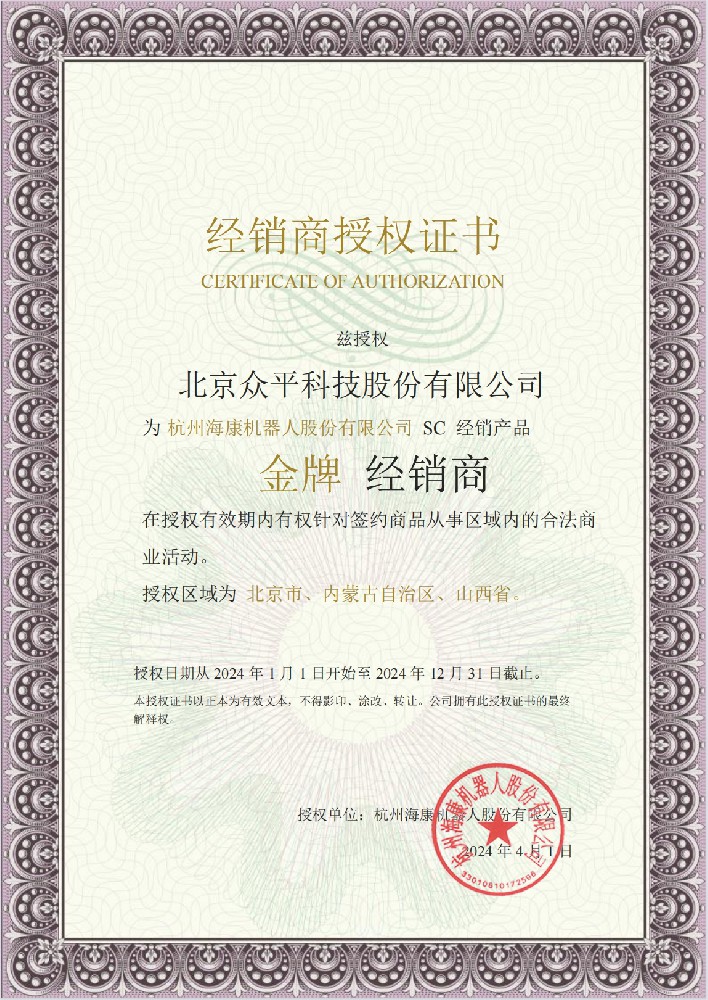
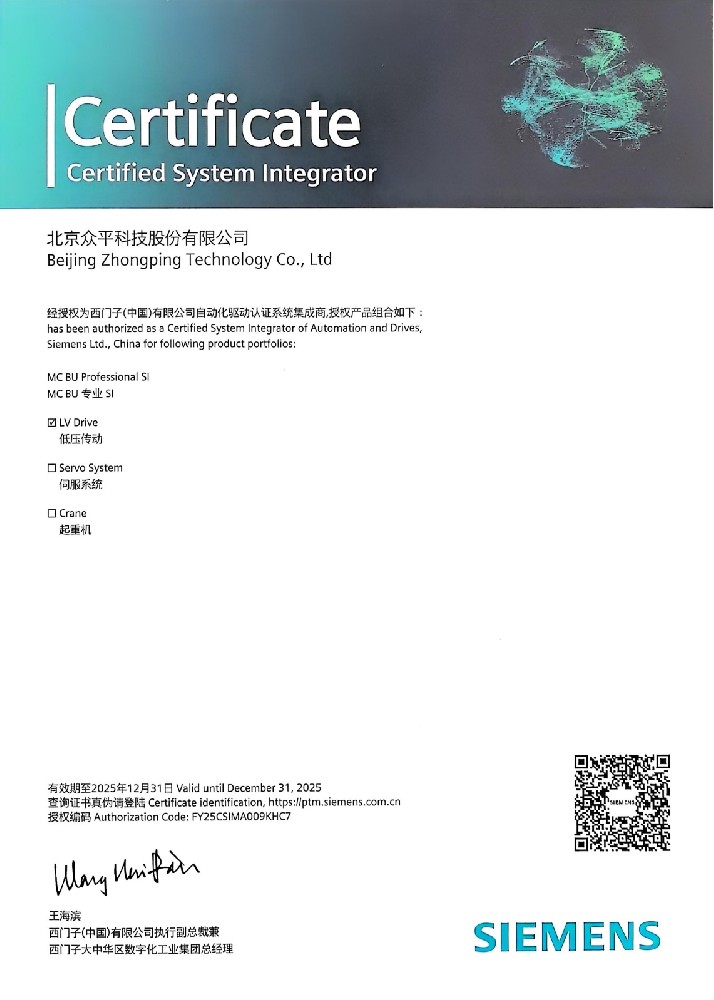
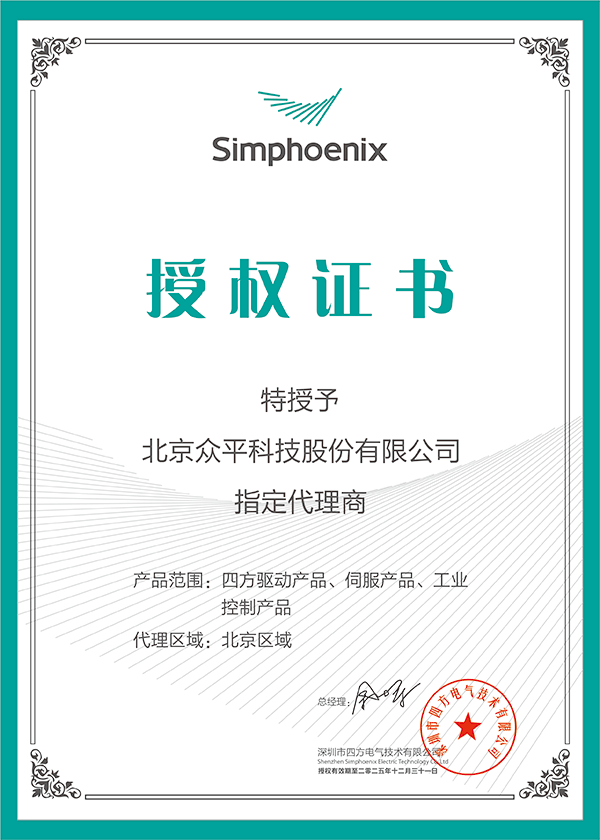
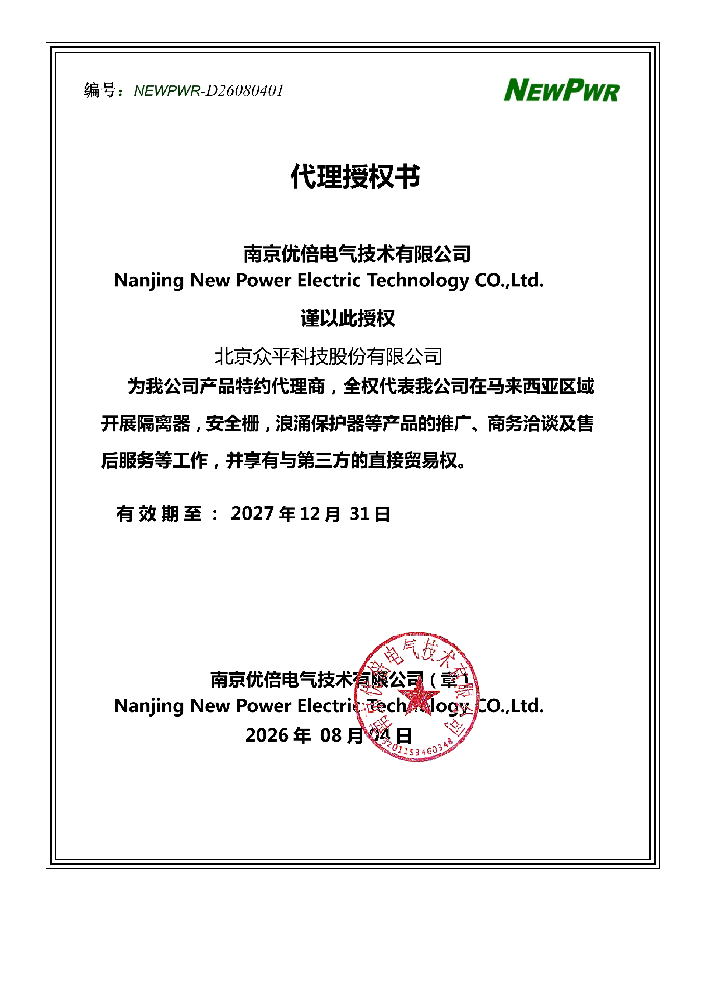
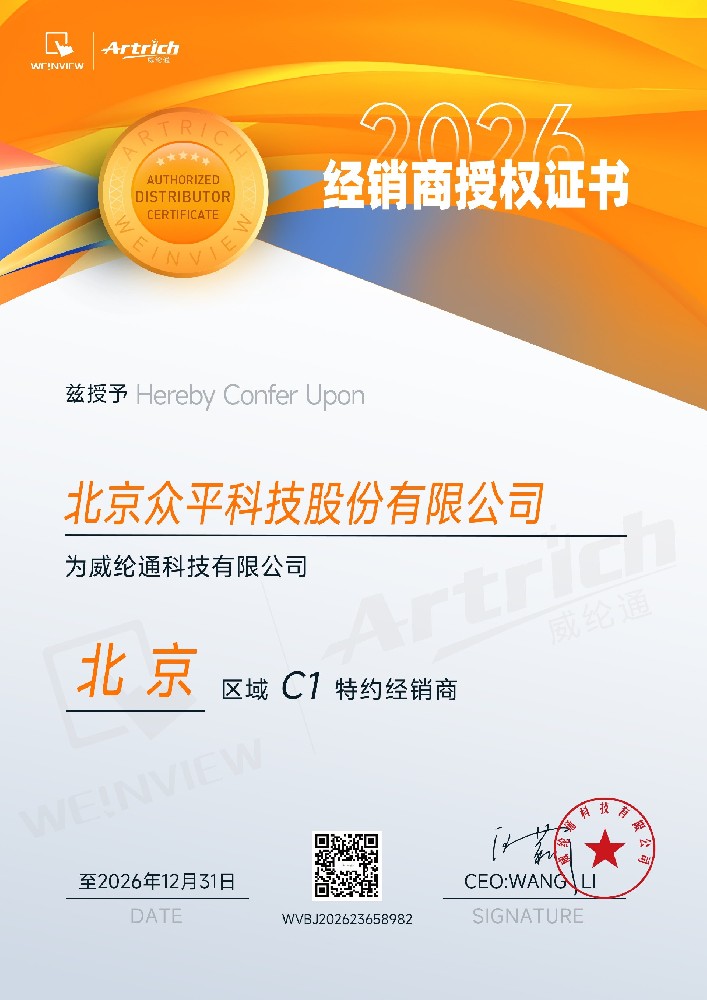
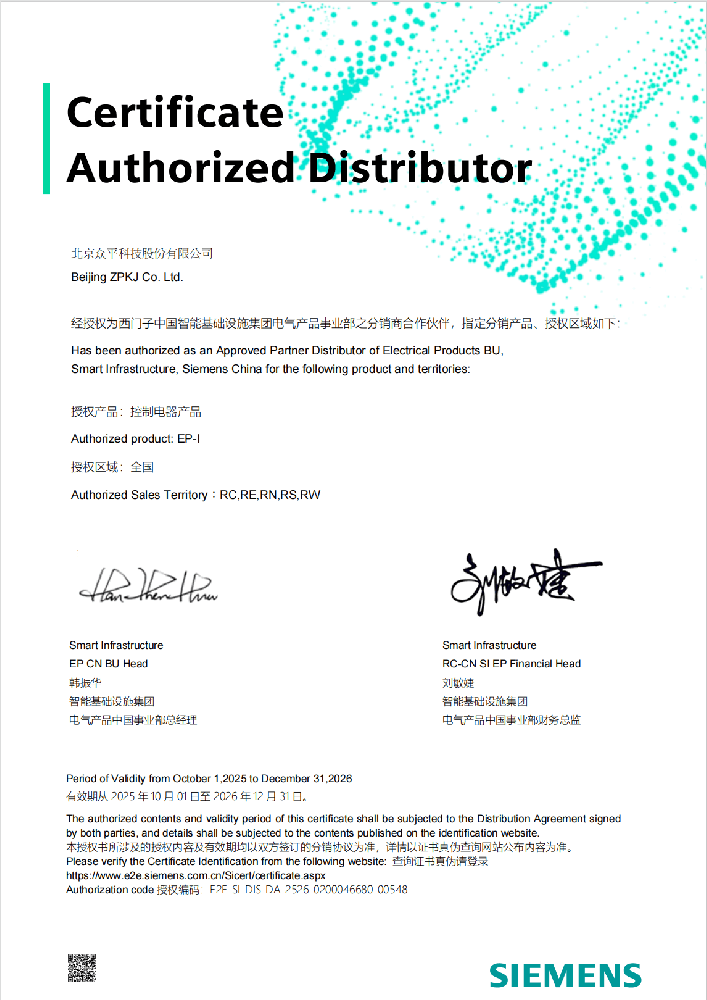
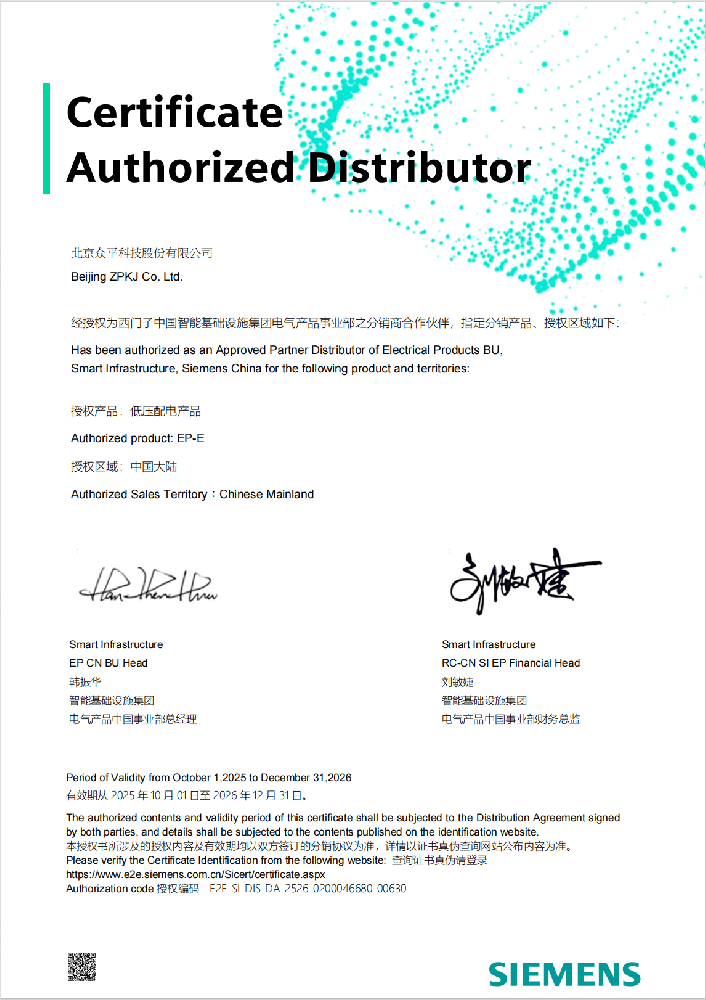
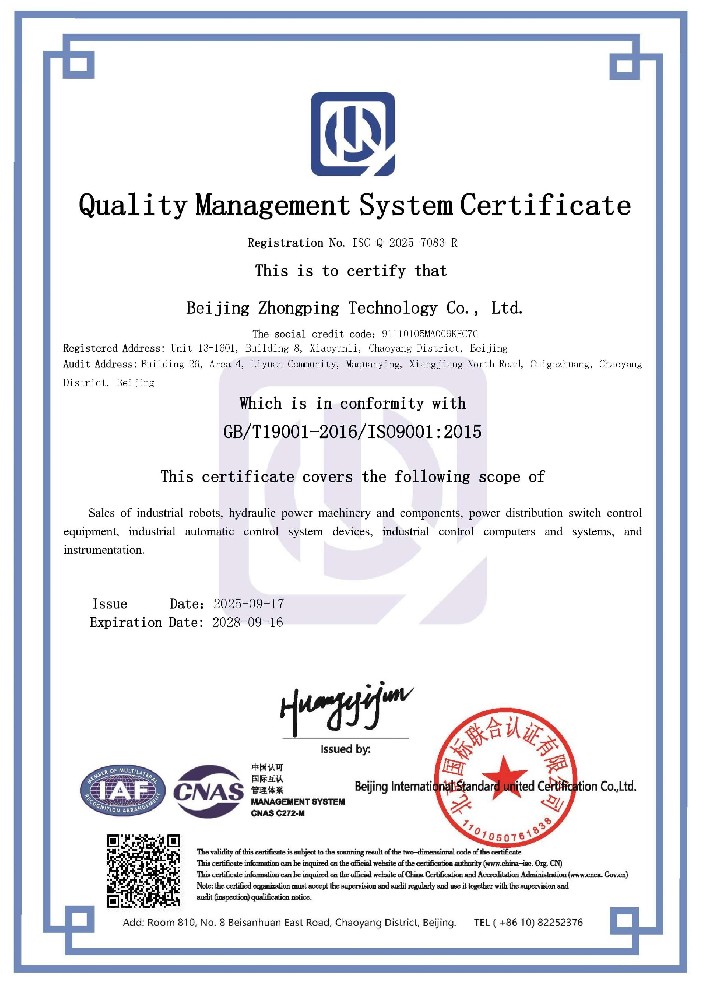
Beijing Zhongping Technology Co., LTD., is a global industrial electrical automation service provider, is a scientific research, design, marketing, technical services, industrial Internet, international import and export services as one of the science and technology companies.
2.What can you buy from us?
PLC, inverter, human-machine interface, hydraulic products, low-voltage power distribution, industrial robots and core components
3.Is the item in stock or need to be purchased from another supplier?
We have a large inventory of goods and have our own warehouse.
4.What advantages do we have over other suppliers?
Our company has a large amount of inventory and a number of warehouses, but also in the country's important industrial provinces and cities with offices and a number of overseas service points. To provide you with intelligent manufacturing one-stop comprehensive services, save efforts, labor and cost.
5.Can you provide 100% new original authentic products?
We only sell new original genuine, no renovation, no fake, only for the original factory original!
6.How long is the delivery time?
If there is a stock, it will take 2-3 working days to ship, if the quantity is large, it will take 5-7 working days after receiving the payment, if it is not a conventional model, it will take some time, we will inform you of the specific delivery time.
7.Is there technical support available?
Of course, we have a professional technical team that can help you solve technical problems.
8.How do we guarantee quality?
We have three processes to control the quality of goods.
1) Our engineers will inspect the production and quality control in the factory regularly.
2) Incoming materials shall be inspected by experienced purchasing engineers before they can be stored.
3) At least 2 people in the logistics department cross-check the goods to be sent before delivery.
9.Can you guarantee the safe and reliable delivery of your products?
Yes, we strictly adopt the international standard packing. We also use special packaging for dangerous goods, and refrigerated shipping for items with temperature requirements. Special item packaging and general cargo standard packaging requirements may incur additional costs.
10.How about the freight?
The cost depends on how you choose to get the goods. Express is usually the fastest but also the most expensive way. Sea freight is the best solution for large quantities of goods. The exact shipping cost depends on the purchase amount、quantity and weight of your order. Please feel free to contact us for more information.

 +86 010-64225983
 +8613811814778
 Building 26, Liyuan Community, Chaoyang District, Beijing, China