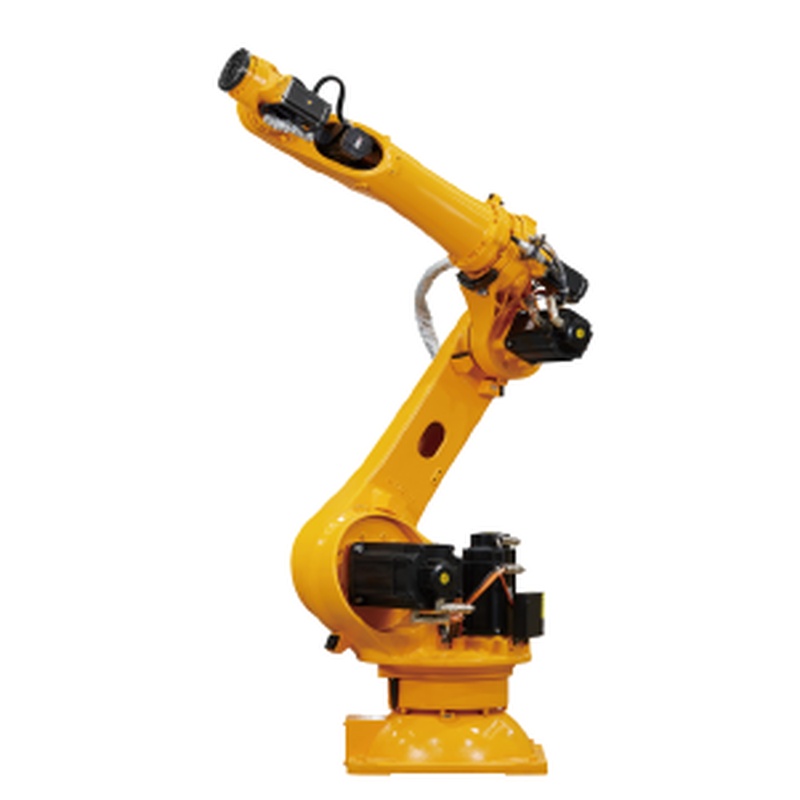
In the demanding world of factory automation,the choice of a robust and reliable Industrial Palletizing robot is critical for streamlining logistics and material handling.The ESTUN ER70B-2100-LI stands out as a premier solution in the category of Heavy payload industrial robot,engineered specifically to handle unit loads up to 70kg with precision and endurance.This article provides a comprehensive analysis of this powerful 6-axis robot,delving into its technical specifications,unique design features for demanding applications,and the broader context of how such heavy-duty automation reshapes modern production and warehousing lines.
Understanding Heavy-Duty Industrial Robots and Palletizing
Before focusing on the ER70B-2100-LI,it's essential to understand its role.A palletizing robot is designed to automatically stack products,bags,boxes,or cases onto a pallet in a pre-defined pattern.When the payload requirement exceeds 50kg,it enters the"heavy payload"domain.These robots are not merely scaled-up versions of lighter models;they require fundamentally different engineering.The structure,gears,and motors must be massively reinforced to handle the inertia of heavy loads while maintaining precision and speed over long,continuous cycles.They are pivotal in industries like building materials(bags of cement,tiles),food&beverage(full kegs,large ingredient bags),automotive(tires,assemblies),and logistics(heavy parcel handling),where manual handling is inefficient,costly,and poses significant ergonomic risks.
Core Technical Specifications&Design Philosophy of the ER70B-2100-LI
The ESTUN ER70B-2100-LI is built around a core mission:reliable,heavy lifting.Its specifications tell the story of this capability.
Payload&Reach:The 70kg payload capacity allows it to handle multiple heavy items simultaneously or single,dense objects.The 2100mm reach provides a generous working envelope,enabling it to service multiple conveyor lines,pallet positions,or workstations from a single mount point.
Motion System:As a 6-axis articulated robot,it offers full flexibility in orienting heavy loads through complex paths,crucial for dense or interlocking pallet patterns that maximize stability and shipping efficiency.
Robust Construction:To manage the high forces involved,the robot arm features an optimized rigid structure.The third axis(the"lower arm")is particularly reinforced,a common design focus in heavy robots to counteract the massive moment forces during extension with a full load.
Dual Protection Strategy(IP54+IP65):This is a standout feature.The robot body meets IP54,protecting against dust ingress and water splashes from any direction—sufficient for most factory environments.The wrist(axes 4,5,and 6)can optionally be upgraded to IP65,making it dust-tight and resistant against low-pressure water jets.This allows the robot to be used in applications requiring frequent washdowns(e.g.,food processing)or where the end-effector is directly exposed to more contaminants.
Application Scenarios:Where the ER70B-2100-LI Excels
This robot is not a general-purpose machine;its design optimizes it for specific high-impact tasks.
Heavy Bag&Sack Palletizing:In industries producing fertilizer,animal feed,chemicals,or cement,25-50kg sacks are standard.The ER70B-2100-LI can palletize these at high speeds,forming stable,pyramid-patterned stacks that are ready for wrapping and shipment.
Beverage&Keg Handling:In breweries and distilleries,handling full kegs(which can easily exceed 60kg)is a major logistics challenge.This robot can efficiently load/unload kegs from pallets,cages,or filling lines,improving safety and throughput.
Dense Case Palletizing:For products like bottled water,engine oil,or canned goods in large cases,the combined weight per layer can be substantial.The robot’s precision ensures tight,interlocking patterns that prevent load shifting during transport.
Machine Tending for Heavy Parts:Beyond pure palletizing,it can serve as a loader/unloader for large CNC machining centers,die-casting machines,or forging presses,handling heavy raw billets and finished parts with unwavering consistency.
Key Advantages Over Alternative Solutions
Choosing the ESTUN ER70B-2100-LI over custom machinery or lighter robots offers distinct benefits.
Optimized Total Cost of Ownership(TCO):Compared to custom-built gantry systems for heavy loads,this standardized robot offers greater flexibility(e.g.,easy reprogramming for new products)and often a lower initial and maintenance cost.
Space Efficiency:Its articulated design allows it to work effectively within a compact footprint,unlike linear systems that require long tracks for large coverage.
Future-Proof Flexibility:If production needs change,the robot can be redeployed to a new task with reprogramming and a new end-effector.Dedicated machinery typically cannot.
Improved Safety&Ergonomics:Automating the handling of 70kg loads completely removes a severe manual handling hazard,reducing workplace injuries and associated costs.
Extended Q&A:Addressing User Queries on Heavy Payload Palletizing
Q1:How does a heavy payload robot like the ER70B differ from a standard palletizing robot in terms of programming and operation?
A:While the programming interface(often teach pendant or offline simulation)may be similar,the operational philosophy differs significantly.For heavy payload robots,path planning and motion tuning are critical.Programmers must pay close attention to acceleration and deceleration profiles to prevent load swing,which is more pronounced and dangerous with 70kg.The robot's software often includes features like"payload inertia setting"or"anti-swing control"that must be correctly configured for the specific load's weight and center of gravity.
A(cont'd):Furthermore,cycle time calculations are more complex.Although the robot may move slightly slower under full load to ensure stability and mechanical longevity,its ability to handle multiple items or heavier single items often results in a higher total weight moved per hour compared to a faster,lighter robot.Operators are trained to prioritize smooth,stable motion over raw speed.Maintenance schedules also differ,with a stronger focus on monitoring gearbox health and structural bolt torques due to the higher stresses involved.
A(cont'd):Ultimately,operation requires a mindset attuned to managing high inertia.Successful implementation relies on close collaboration between the robot programmer,the process engineer(to design stable grips and pallet patterns),and the maintenance team to ensure the system operates reliably within its designed mechanical limits.
Q2:Why is the dual IP rating(IP54+IP65)important for a robot in palletizing applications?
A:The dual IP rating addresses the varying environmental exposure across the robot's body.The majority of the robot arm(axes 1-3)is often located further from the direct source of contamination.An IP54 rating here is cost-effective and provides adequate protection against the omnipresent dust and occasional moisture found in warehouses and production halls.It prevents conductive dust from settling on electrical components and protects against accidental spills or cleaning splashes.
A(cont'd):The wrist,however,is in the"hot zone."During bag palletizing,it might be exposed to powder leakage.In beverage handling,it could encounter syrup or liquid spills.In washdown areas,it is directly sprayed.An IP65 rating at the wrist ensures that these critical joints—packed with motors and encoders—are completely sealed against dust and can withstand direct jets of water,allowing for proper sanitation or reliable operation in harsh conditions.
A(cont'd):This differentiated design is a smart engineering compromise.Applying IP65 to the entire robot would increase size,weight,and cost unnecessarily.By focusing the highest protection where it is truly needed,ESTUN maintains the robot's performance and reliability for challenging tasks while keeping it competitively priced and mechanically efficient for the bulk of its structure.
Q3:What are the primary considerations when choosing an end-effector(gripper)for this 70kg robot?
A:Selecting the end-effector is paramount and is dictated by the load's characteristics.For heavy bags or sacks,a vacuum-based system with multiple large-diameter pumps and cups is common.The vacuum circuit must generate enough holding force with a significant safety factor(often 3x or more)to handle the load's weight and the dynamic forces during rapid moves.The cup material must be compatible with the product surface(e.g.,abrasive-resistant for cement bags).
A(cont'd):For handling kegs,drums,or large cases,mechanical grippers with shaped jaws or mandrel-type grippers that insert into the object's opening are used.These grippers must be massively constructed from high-strength materials like hardened steel.Force sensors or pressure controls are often integrated to ensure a secure grip without crushing the product.The weight of the gripper itself is a critical factor;it is part of the 70kg payload,so a lightweight yet strong design(using aluminum or composites)maximizes the remaining capacity for the actual product.
A(cont'd):Beyond strength,integration is key.The gripper requires utilities(air for vacuum pumps/vacuum,hydraulic lines,or electrical signals for sensors)that must be routed through the robot's arm via internal piping kits to prevent hose snagging.Compatibility with the robot's wrist flange(interface dimensions and bolt pattern)and its communication protocol(to control gripper open/close functions)are essential final checks before deployment.
Q4:Can a robot like the ER70B-2100-LI be integrated into an existing legacy production line?
A:Yes,integration into legacy lines is a common and highly valuable application.The key lies in the peripheral systems.The robot itself is a standard component.Integrators will design and install custom conveyors to feed products to the robot's pick station and to remove completed pallets.Photoelectric sensors or vision systems are added to detect product position and orientation.A pallet dispenser(magazine)feeds empty pallets,and a stretch wrapper often follows the robot cell.
A(cont'd):The main challenge is synchronization and space.The robot's controller must communicate with the line's existing PLC(Programmable Logic Controller)via standard industrial networks(e.g.,Profinet,Ethernet/IP,Modbus TCP).This ensures the robot only picks when a product is ready and signals downstream equipment when a full pallet is complete.Retrofitting often requires creative layout planning to fit the robot cell into available floor space without disrupting material flow.
A(cont'd):The return on investment(ROI)for such a retrofit is frequently compelling.It automates the most physically demanding segment of an old line,boosting its overall output,enabling 24/7 operation,and providing detailed production data(counts,errors)that was previously unavailable.The flexibility of the robot also allows the legacy line to handle new product formats that would have been impossible to palletize manually.
Q5:What are the critical maintenance routines for ensuring the long-term reliability of a heavy-payload palletizing robot?
A:Preventive maintenance is non-negotiable for heavy-duty robots.The cornerstone is regular lubrication of the gearboxes in each axis.These gearboxes are under tremendous stress;following the manufacturer's prescribed intervals and using the specified grease is vital to prevent wear and premature failure.Simultaneously,checking and re-torquing critical structural bolts,especially on the base,arm links,and wrist flange,is essential to maintain rigidity and alignment as the robot withstands constant high inertial forces.
A(cont'd):A second crucial routine involves checking the mechanical backlash or repeatability.Over thousands of hours,gear wear can introduce minute play.Technicians perform periodic accuracy tests using a laser tracker or similar tool.Monitoring the temperature and noise of axis motors and gearboxes can provide early warning signs of developing problems.For robots with IP65 wrists,maintaining the integrity of wrist seals is also a regular check to prevent water or dust ingress.
A(cont'd):Beyond mechanics,electrical and software maintenance is important.This includes backing up application programs and system parameters regularly,checking the condition of cables(especially those going to the end-effector,which undergo constant flexing),and ensuring cooling fans and filters on the controller cabinet are clean.A well-documented maintenance log helps track the robot's health and predict the optimal time for major component overhauls,maximizing uptime and preventing catastrophic failures.
FAQ
1.Who are We?
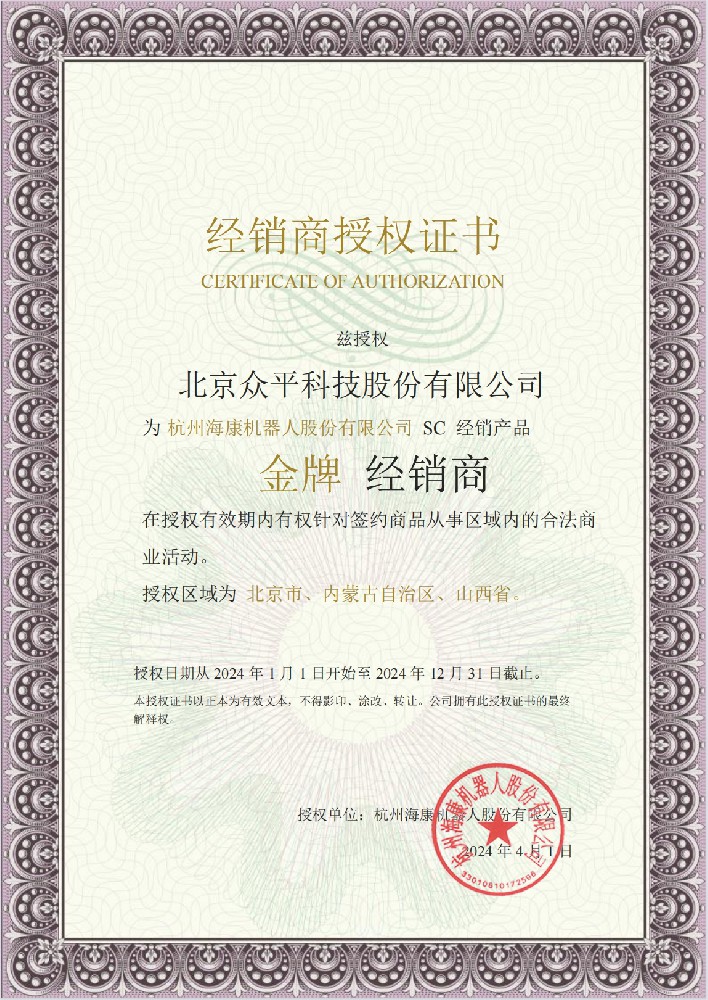
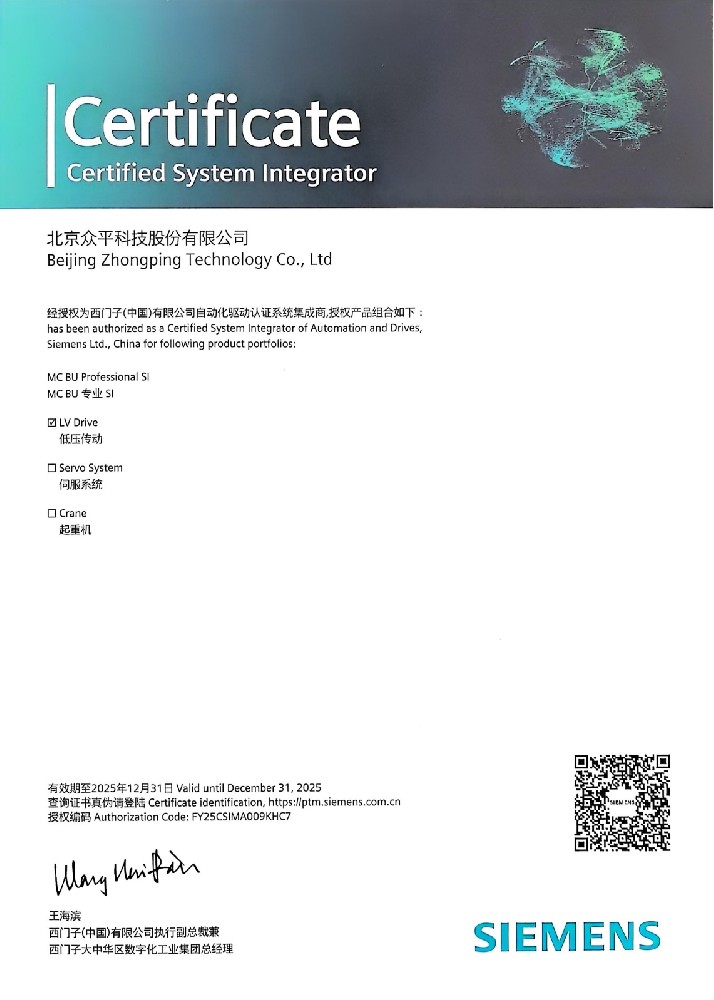
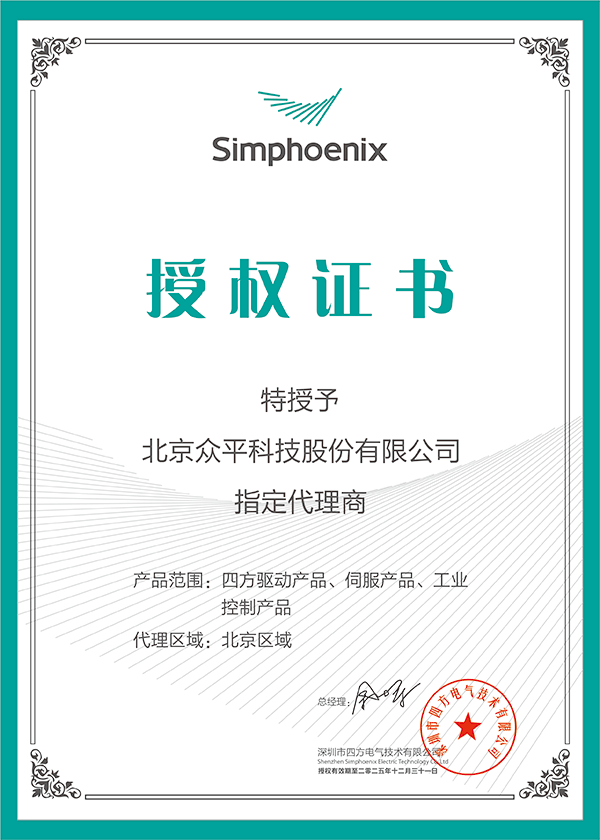
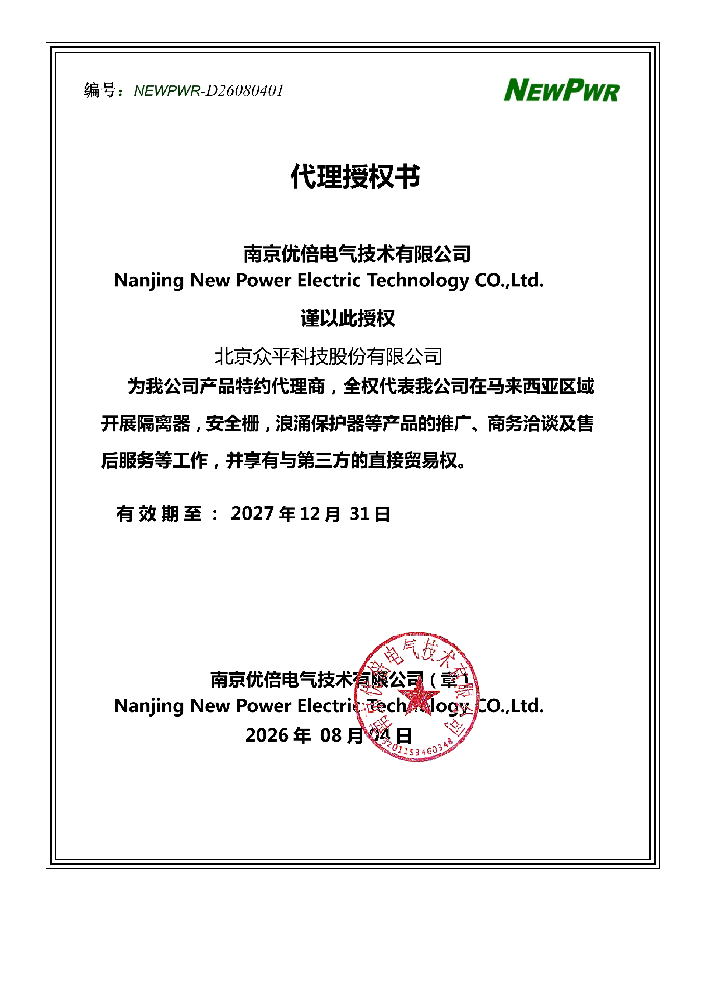
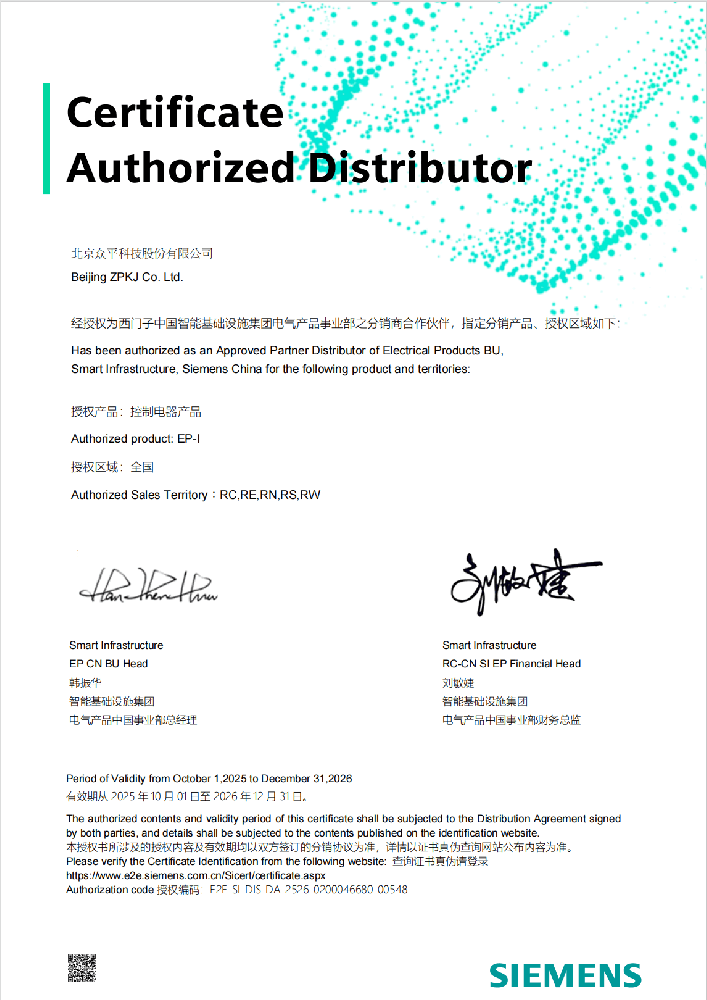
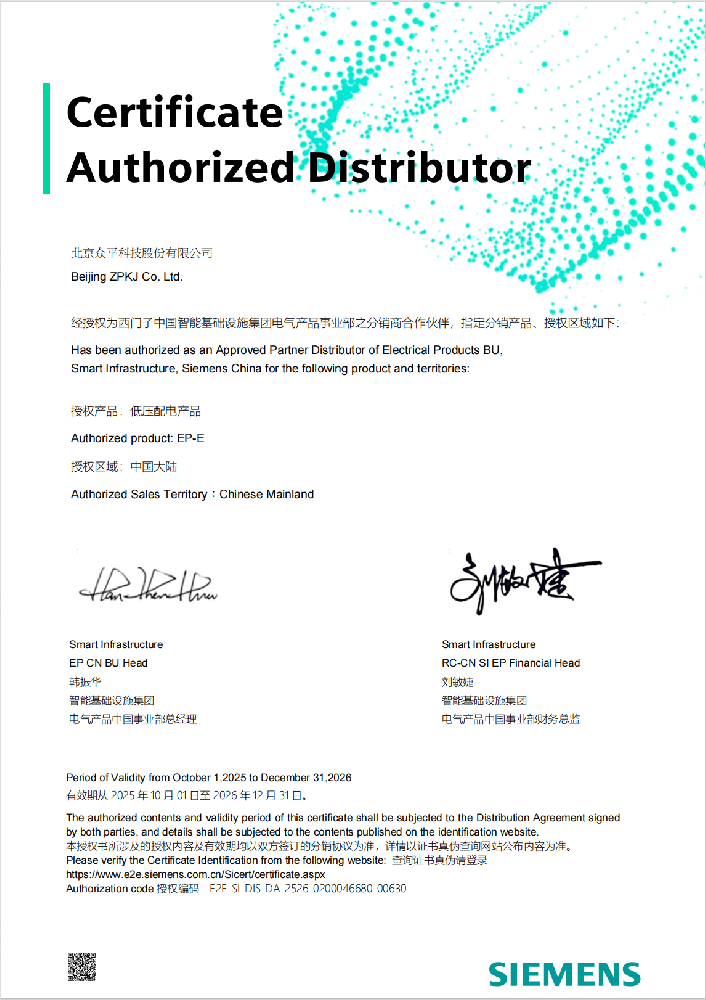
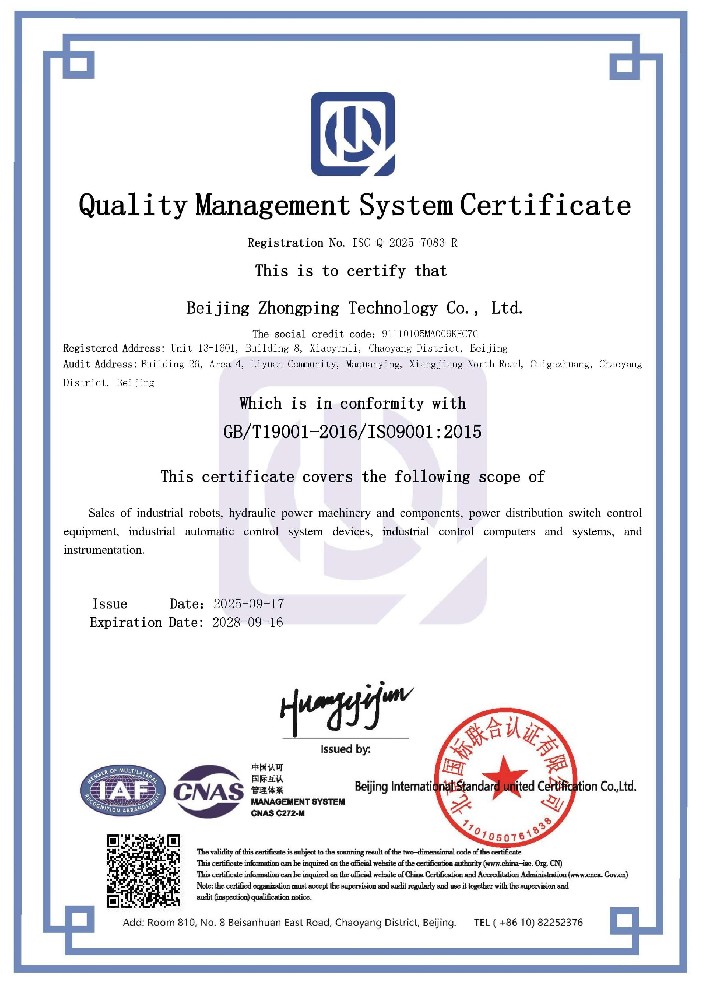
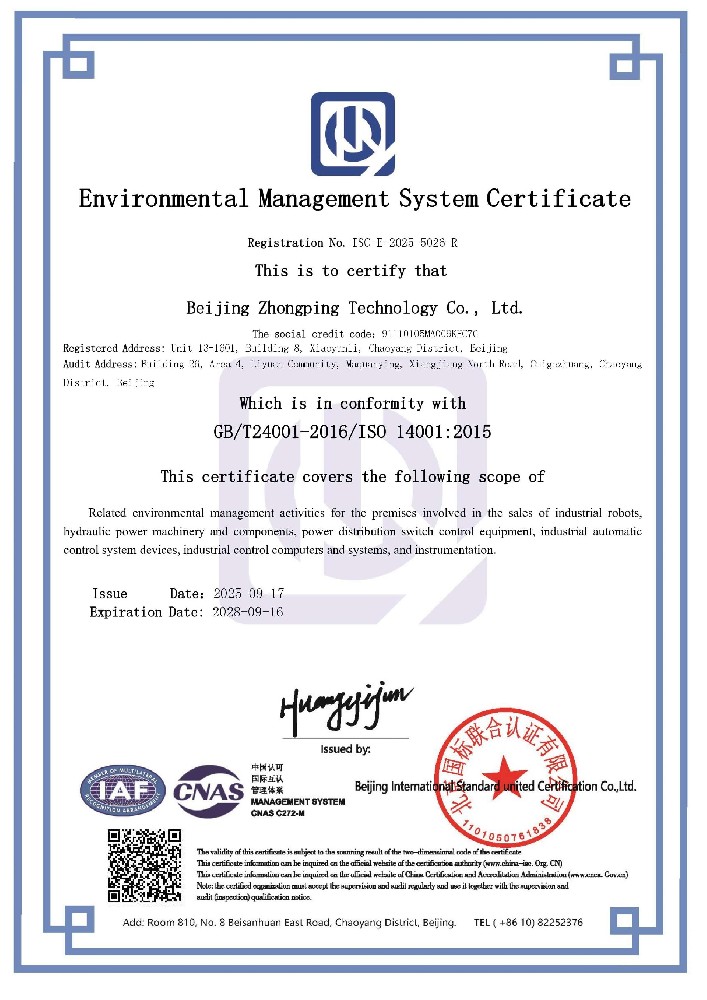
Beijing Zhongping Technology Co., LTD., is a global industrial electrical automation service provider, is a scientific research, design, marketing, technical services, industrial Internet, international import and export services as one of the science and technology companies.
2.What can you buy from us?
PLC, inverter, human-machine interface, hydraulic products, low-voltage power distribution, industrial robots and core components
3.Is the item in stock or need to be purchased from another supplier?
We have a large inventory of goods and have our own warehouse.
4.What advantages do we have over other suppliers?
Our company has a large amount of inventory and a number of warehouses, but also in the country's important industrial provinces and cities with offices and a number of overseas service points. To provide you with intelligent manufacturing one-stop comprehensive services, save efforts, labor and cost.
5.Can you provide 100% new original authentic products?
We only sell new original genuine, no renovation, no fake, only for the original factory original!
6.How long is the delivery time?
If there is a stock, it will take 2-3 working days to ship, if the quantity is large, it will take 5-7 working days after receiving the payment, if it is not a conventional model, it will take some time, we will inform you of the specific delivery time.
7.Is there technical support available?
Of course, we have a professional technical team that can help you solve technical problems.
8.How do we guarantee quality?
We have three processes to control the quality of goods.
1) Our engineers will inspect the production and quality control in the factory regularly.
2) Incoming materials shall be inspected by experienced purchasing engineers before they can be stored.
3) At least 2 people in the logistics department cross-check the goods to be sent before delivery.
9.Can you guarantee the safe and reliable delivery of your products?
Yes, we strictly adopt the international standard packing. We also use special packaging for dangerous goods, and refrigerated shipping for items with temperature requirements. Special item packaging and general cargo standard packaging requirements may incur additional costs.
10.How about the freight?
The cost depends on how you choose to get the goods. Express is usually the fastest but also the most expensive way. Sea freight is the best solution for large quantities of goods. The exact shipping cost depends on the purchase amount、quantity and weight of your order. Please feel free to contact us for more information.

 +86 010-64225983
 +8613811814778
 Building 26, Liyuan Community, Chaoyang District, Beijing, China