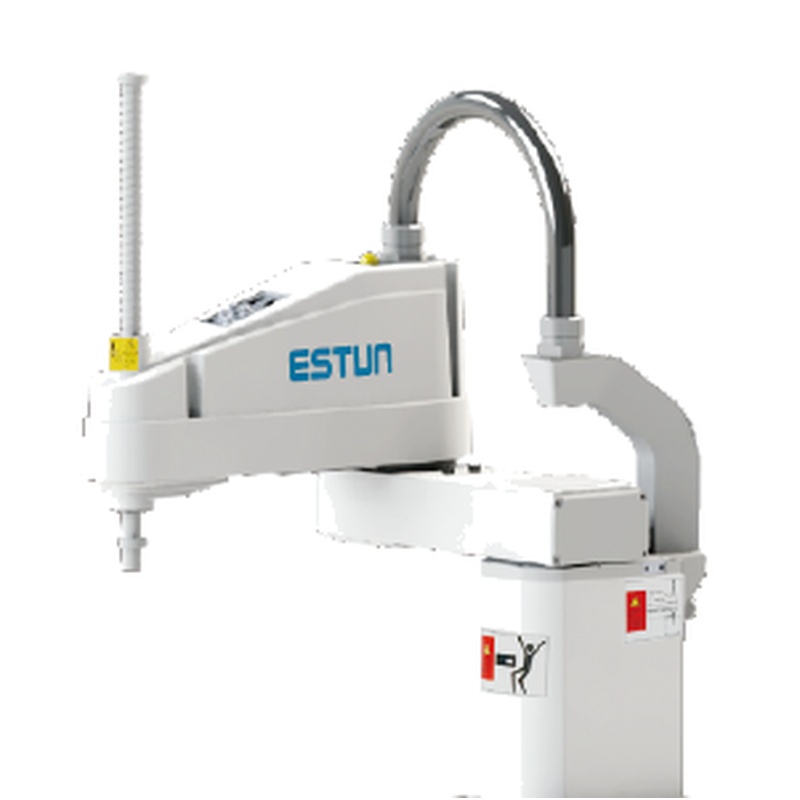
The ESTUN ER20-1000-SR/HI Industrial Robot Arm is a robust Heavy Payload Robot Arm engineered for efficient material handling,palletizing,and repetitive industrial automation tasks.Designed with a 20 kg payload capacity and a 1000 mm working radius,this industrial robot arm addresses the growing demand for stable,cost-effective automation in manufacturing lines where reliability and throughput are critical.By combining a simplified 4-axis structure with ESTUN’s mature motion control technology,the ER20-1000-SR/HI offers a practical balance between performance,investment cost,and operational simplicity.
Understanding 4-Axis Industrial Robot Arms in Modern Automation
What Is a 4-Axis Industrial Robot Arm?
A 4-axis industrial robot arm is a specialized robotic system optimized for planar movement and vertical lifting rather than complex spatial articulation.Unlike 6-axis robots,which prioritize flexibility and orientation control,4-axis robots focus on speed,repeatability,and mechanical stability.This design makes them particularly suitable for palletizing,stacking,packaging,and transfer operations where motion paths are predictable and repetitive.
Why Heavy Payload Robot Arms Matter
Heavy payload robot arms play a crucial role in reducing manual labor risks and increasing consistency in operations involving bulky or weight-sensitive products.In sectors such as food and beverage,building materials,chemicals,and logistics,handling loads around 20 kg repeatedly can cause fatigue,safety issues,and throughput limitations.A properly selected heavy payload robot arm not only improves productivity but also ensures uniform handling quality across shifts.
Core Characteristics of the ESTUN ER20-1000-SR/HI
Structural Design and Kinematics
The ESTUN ER20-1000-SR/HI adopts a rigid 4-axis mechanical structure that prioritizes vertical lifting stability and horizontal positioning accuracy.This configuration minimizes unnecessary degrees of freedom,which in turn reduces control complexity and long-term maintenance requirements.The 1000 mm reach allows the robot to cover standard pallet sizes and conveyor layouts commonly used in industrial facilities.
Payload Capacity and Motion Stability
With a rated payload of 20 kg,this heavy payload robot arm is well suited for cartons,trays,bags,and boxed products.The payload rating is designed to support continuous industrial operation rather than occasional peak loads,which is a critical consideration for end-of-line automation.Stable motion under load helps maintain consistent cycle times and reduces mechanical wear on joints and gear systems.
Protection Level and Installation Environment
The IP20 protection rating indicates that the ER20-1000-SR/HI is intended for clean,controlled industrial environments such as enclosed production lines or guarded automation cells.While it is not designed for washdown or dusty outdoor use,IP20 is often sufficient for packaging halls,assembly areas,and warehouse automation zones where environmental exposure is limited.
Typical Applications and Use Scenarios
Palletizing and Depalletizing Lines
One of the most common applications for this industrial robot arm is palletizing finished goods at the end of a production line.The 4-axis motion profile enables fast vertical pick-and-place cycles,making it suitable for stacking cartons or bags in predefined patterns.In depalletizing operations,the robot can reliably unload incoming materials for downstream processing.
Machine Tending and Material Transfer
In manufacturing cells where parts need to be transferred between machines,a heavy payload robot arm like the ER20-1000-SR/HI can automate loading and unloading tasks.This reduces idle time between machine cycles and allows operators to focus on quality control or higher-value activities.
Packaging and Logistics Automation
For packaging lines and internal logistics,consistent handling speed and repeatability are often more important than complex motion paths.A 4-axis industrial robot arm delivers predictable movement,which simplifies integration with conveyors,sensors,and warehouse management systems.
Key Advantages in Real-World Industrial Use
Cost-Effective Automation Entry Point
Compared with multi-axis robots,4-axis heavy payload robot arms typically require lower upfront investment and simpler programming.This makes them attractive for small and medium-sized manufacturers seeking to automate without excessive system complexity.
Reduced Maintenance and Downtime
Fewer axes mean fewer moving components,which directly translates into lower maintenance requirements.Over time,this contributes to higher system availability and reduced total cost of ownership,an important factor for continuous production environments.
Improved Workplace Safety and Consistency
Automating repetitive heavy lifting tasks reduces the risk of workplace injuries and ensures uniform handling quality.This consistency is especially valuable in industries where packaging integrity and stacking accuracy affect downstream logistics.
Integration Considerations and System Compatibility
The ESTUN ER20-1000-SR/HI industrial robot arm is typically integrated with safety fencing,light curtains,and standard industrial controllers.Its motion profile is compatible with common palletizing software logic,allowing integrators to implement standard stacking patterns with minimal customization.When paired with suitable end-effectors such as vacuum grippers or mechanical claws,the robot can handle a wide range of product shapes and packaging materials.
Frequently Asked Questions About Industrial and Heavy Payload Robot Arms
1.How does a 4-axis industrial robot arm compare to a 6-axis robot for palletizing tasks?
A 4-axis industrial robot arm is often more efficient than a 6-axis robot for palletizing because the task itself does not require complex orientation control.Palletizing typically involves vertical lifting and horizontal placement,both of which are core strengths of a 4-axis design.By eliminating unnecessary degrees of freedom,the robot achieves faster cycle times and simpler motion paths,which can improve throughput in high-volume operations.
From an integration perspective,a 4-axis heavy payload robot arm usually requires less complex programming and fewer safety considerations related to unpredictable motion.This can shorten commissioning time and reduce the need for advanced robotics expertise on-site.For facilities focused primarily on stacking,transferring,or loading operations,the simplified architecture often delivers better return on investment.
However,it is important to note that 6-axis robots remain valuable for applications involving irregular product orientation or complex assembly tasks.The choice depends on whether flexibility or efficiency is the primary operational goal.
2.What industries benefit most from using a heavy payload robot arm like the ER20-1000-SR/HI?
Industries that handle medium-to-heavy packaged goods on a repetitive basis benefit most from heavy payload robot arms.Food and beverage manufacturers frequently use them for carton and bag palletizing,where hygiene-controlled indoor environments align well with IP20-rated robots.Building materials and chemical packaging lines also rely on consistent load handling to maintain packaging integrity.
In logistics and warehousing,heavy payload robot arms help stabilize throughput during peak demand periods.By automating repetitive lifting tasks,facilities can maintain productivity even when labor availability fluctuates.This is particularly valuable in regions where skilled labor shortages impact industrial operations.
Additionally,contract manufacturers and system integrators often choose such robots for standardized automation cells.The predictable performance of a 4-axis industrial robot arm simplifies system replication across multiple customer sites.
3.What should buyers consider when selecting a 20 kg payload industrial robot arm?
When selecting a 20 kg payload industrial robot arm,buyers should consider not only the nominal payload but also the weight of the end-effector and product dynamics.Grippers,vacuum systems,and tooling can significantly affect the effective load on the robot,influencing acceleration and long-term reliability.
Reach and workspace layout are equally important.A 1000 mm working radius,as offered by the ER20-1000-SR/HI,suits standard pallet and conveyor configurations,but system designers should verify that the robot can cover all required pick and place points without overextending joints.
Finally,environmental conditions and maintenance support should be evaluated.An IP20 robot is ideal for clean indoor environments,and access to spare parts,technical documentation,and service support will directly affect long-term operational stability.
4.How does a heavy payload robot arm improve operational efficiency compared to manual handling?
A heavy payload robot arm improves efficiency by delivering consistent cycle times regardless of shift length or operator fatigue.Manual handling often leads to variable performance,especially in physically demanding tasks.Automation ensures that each cycle is executed with the same precision and speed.
From a quality standpoint,robotic handling reduces product damage caused by inconsistent lifting or placement.This is particularly important in palletizing,where stacking accuracy affects transportation safety and warehouse storage efficiency.
Over time,automation also contributes to better workforce allocation.Employees can be reassigned to monitoring,quality assurance,or maintenance roles,which typically offer higher value than repetitive lifting tasks.
5.Is a 4-axis industrial robot arm suitable for future production line expansion?
A 4-axis industrial robot arm can be a strong foundation for scalable automation,provided the future expansion aligns with its motion capabilities.Many production lines expand by increasing throughput rather than adding complexity,and in such cases,additional palletizing stations or parallel robots can be deployed.
System integrators often design modular cells around heavy payload robot arms,making it easier to replicate or extend automation across multiple lines.This modularity supports gradual investment rather than a single large capital expense.
However,if future plans involve highly flexible product orientation or complex assembly,it may be necessary to complement the existing 4-axis robot with additional robotic systems rather than replacing it.Strategic planning at the selection stage helps ensure long-term compatibility with evolving production needs.
The ESTUN ER20-1000-SR/HI Industrial Robot Arm represents a practical and reliable Heavy Payload Robot Arm solution for manufacturers seeking efficient automation in palletizing,material handling,and packaging operations.By focusing on stability,simplicity,and cost-effective performance,this 4-axis industrial robot arm delivers real value in environments where consistency and throughput matter more than excessive flexibility.For companies aiming to enhance productivity while maintaining operational control,this model offers a balanced approach to modern industrial automation.
FAQ
1.Who are We?
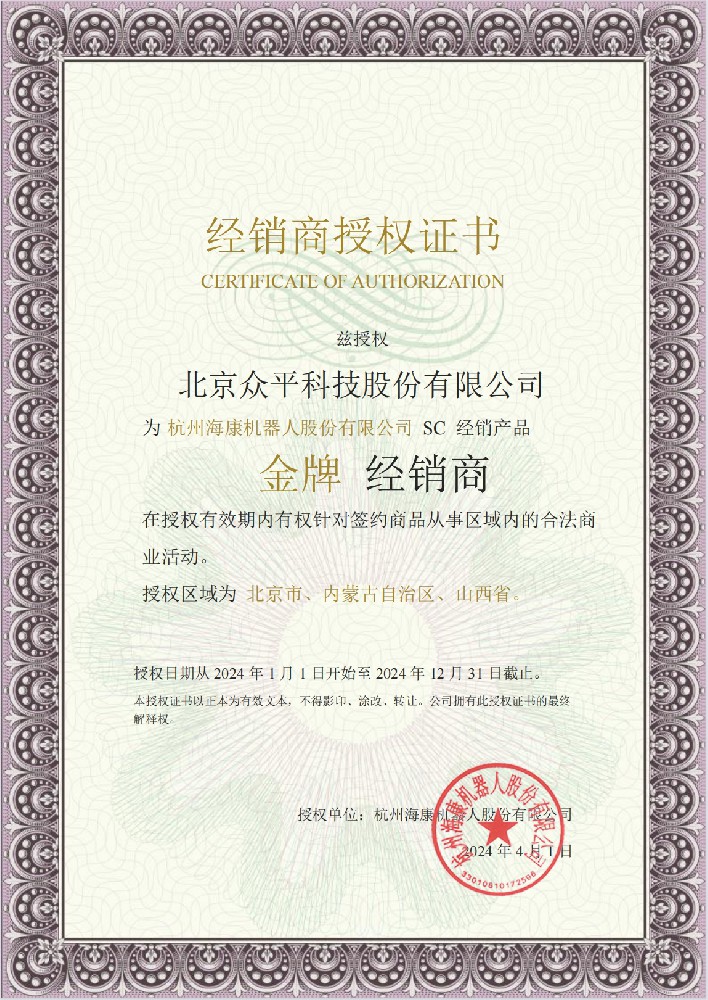
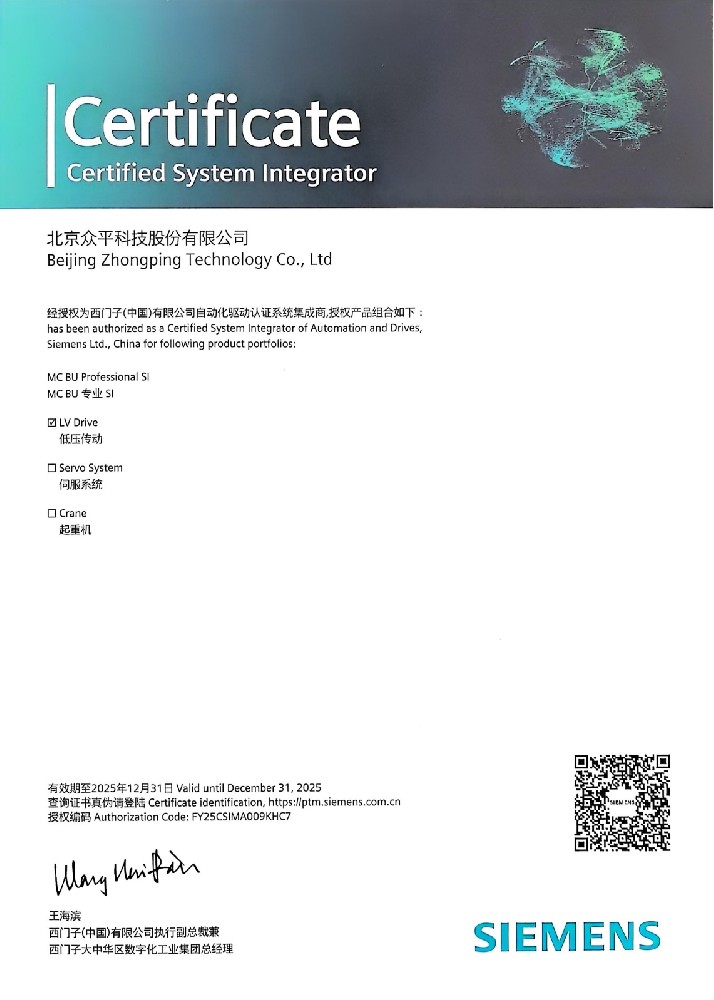
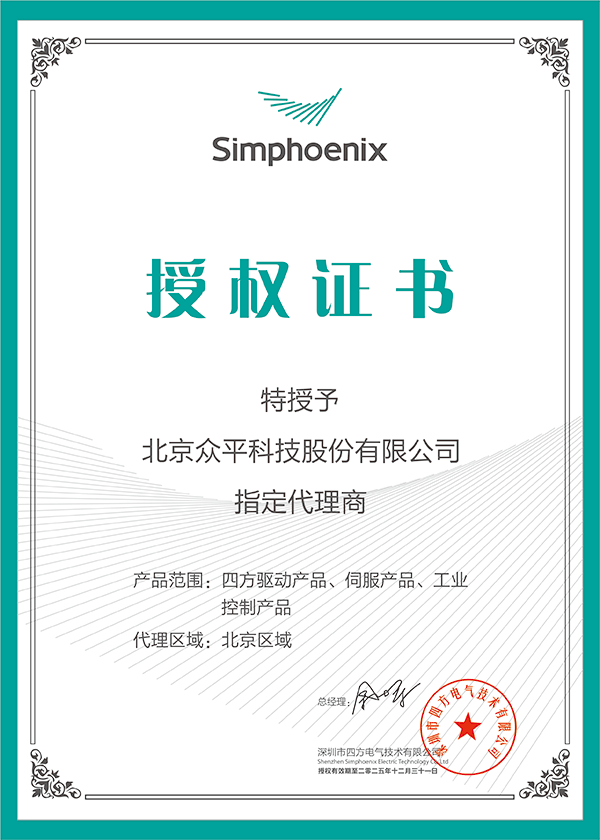
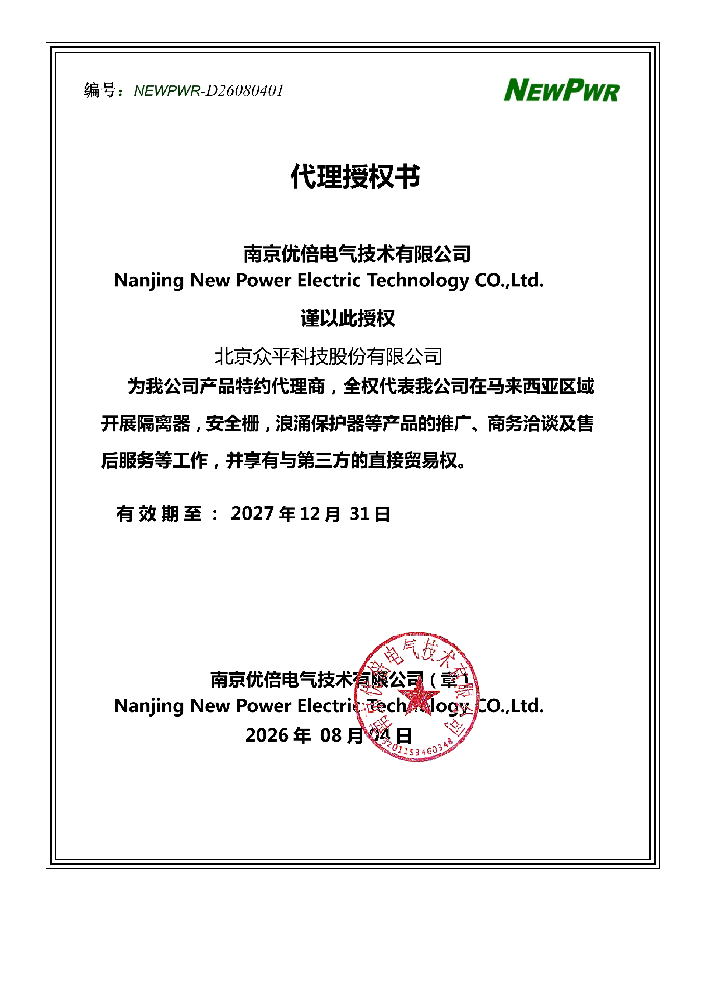
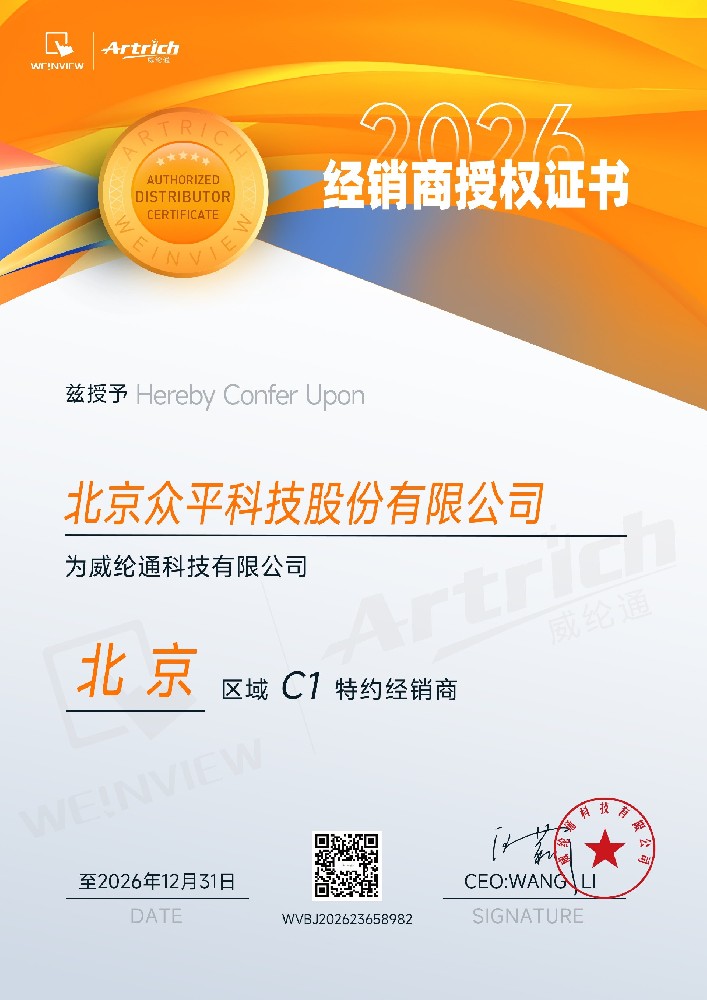
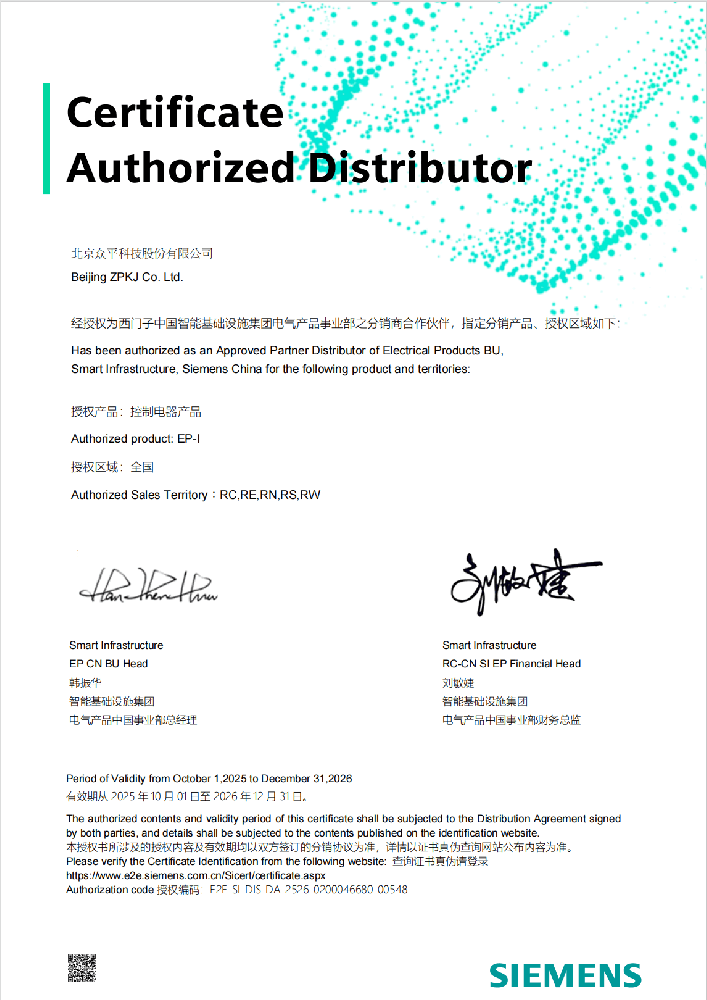
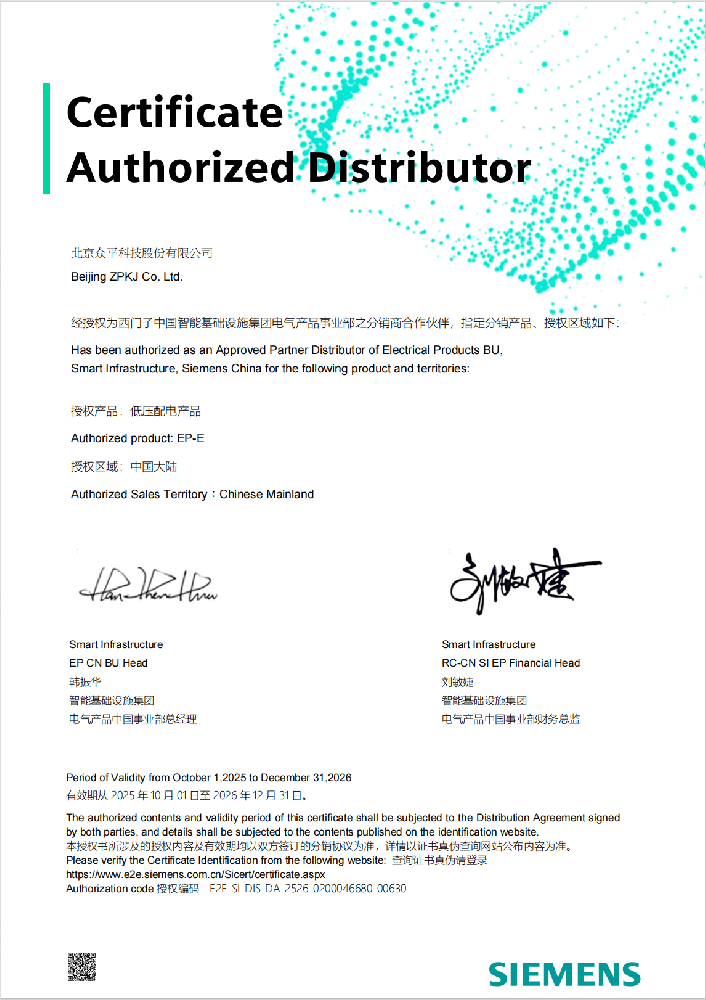
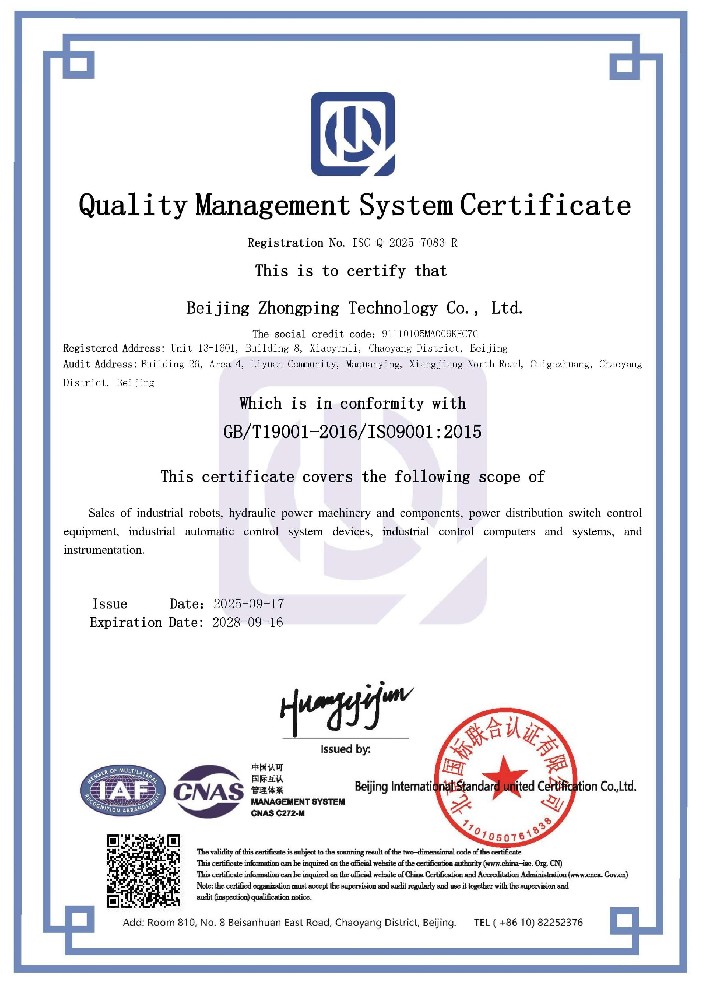
Beijing Zhongping Technology Co., LTD., is a global industrial electrical automation service provider, is a scientific research, design, marketing, technical services, industrial Internet, international import and export services as one of the science and technology companies.
2.What can you buy from us?
PLC, inverter, human-machine interface, hydraulic products, low-voltage power distribution, industrial robots and core components
3.Is the item in stock or need to be purchased from another supplier?
We have a large inventory of goods and have our own warehouse.
4.What advantages do we have over other suppliers?
Our company has a large amount of inventory and a number of warehouses, but also in the country's important industrial provinces and cities with offices and a number of overseas service points. To provide you with intelligent manufacturing one-stop comprehensive services, save efforts, labor and cost.
5.Can you provide 100% new original authentic products?
We only sell new original genuine, no renovation, no fake, only for the original factory original!
6.How long is the delivery time?
If there is a stock, it will take 2-3 working days to ship, if the quantity is large, it will take 5-7 working days after receiving the payment, if it is not a conventional model, it will take some time, we will inform you of the specific delivery time.
7.Is there technical support available?
Of course, we have a professional technical team that can help you solve technical problems.
8.How do we guarantee quality?
We have three processes to control the quality of goods.
1) Our engineers will inspect the production and quality control in the factory regularly.
2) Incoming materials shall be inspected by experienced purchasing engineers before they can be stored.
3) At least 2 people in the logistics department cross-check the goods to be sent before delivery.
9.Can you guarantee the safe and reliable delivery of your products?
Yes, we strictly adopt the international standard packing. We also use special packaging for dangerous goods, and refrigerated shipping for items with temperature requirements. Special item packaging and general cargo standard packaging requirements may incur additional costs.
10.How about the freight?
The cost depends on how you choose to get the goods. Express is usually the fastest but also the most expensive way. Sea freight is the best solution for large quantities of goods. The exact shipping cost depends on the purchase amount、quantity and weight of your order. Please feel free to contact us for more information.

 +86 010-64225983
 +8613811814778
 Building 26, Liyuan Community, Chaoyang District, Beijing, China