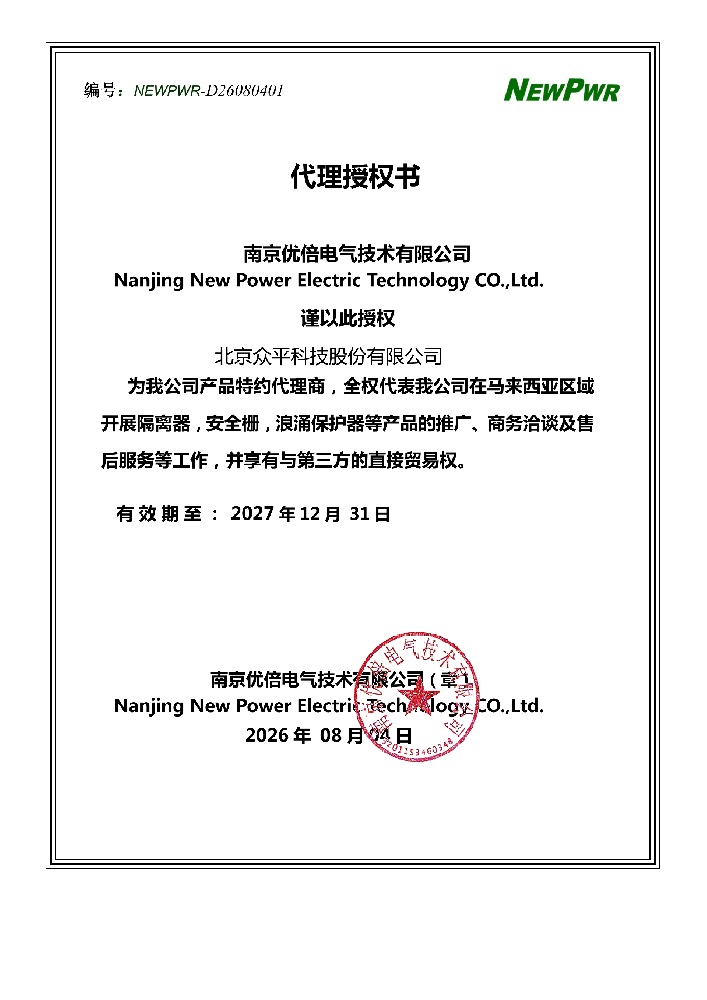
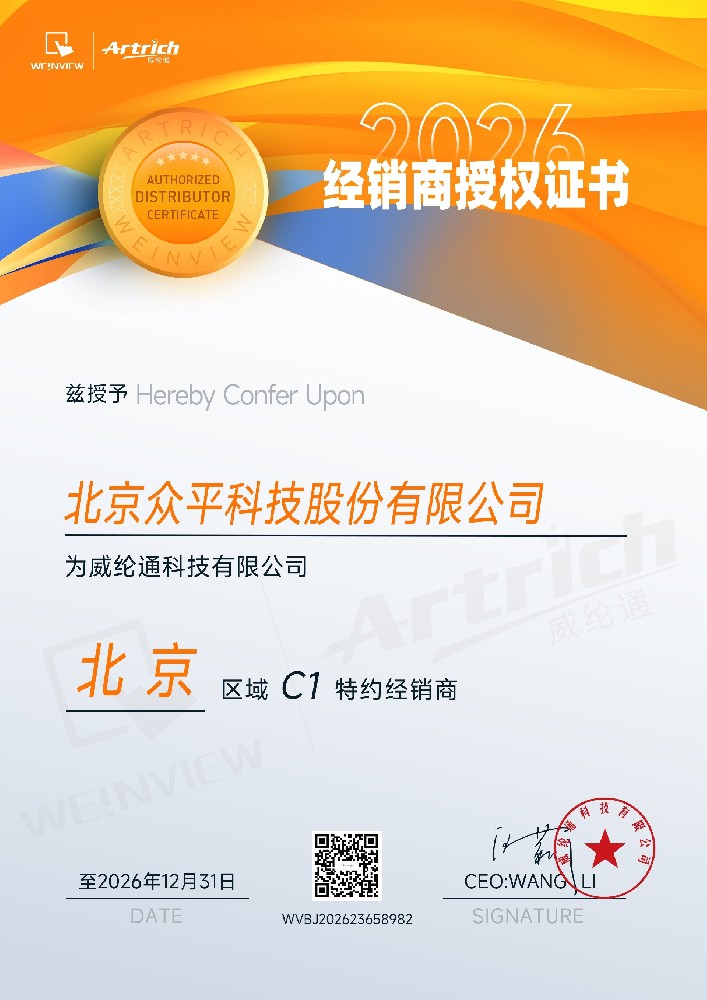
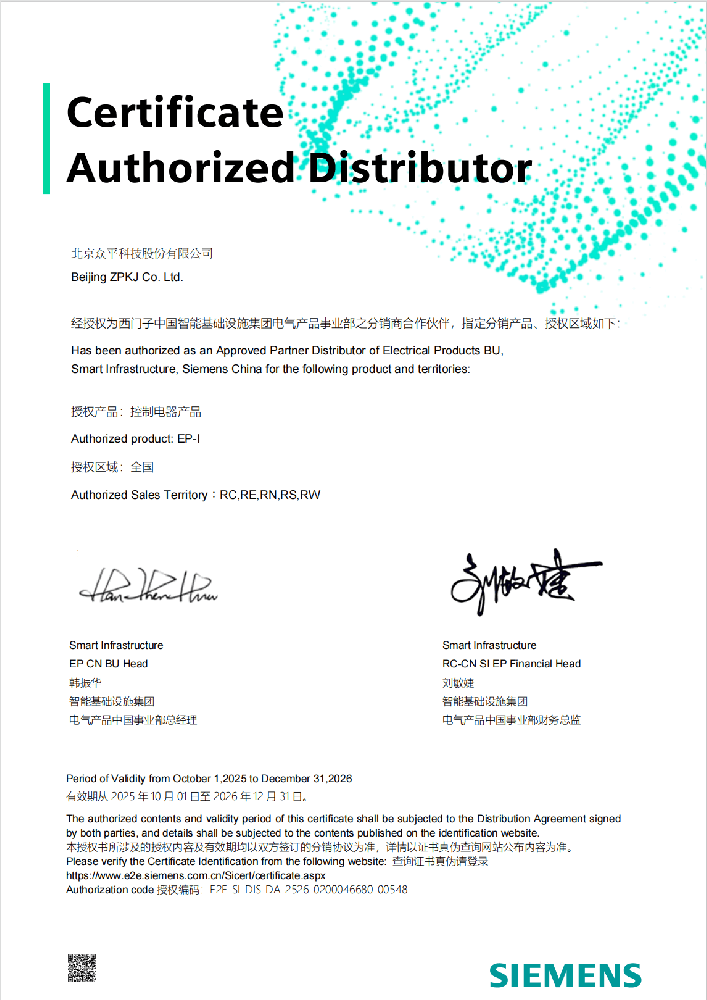
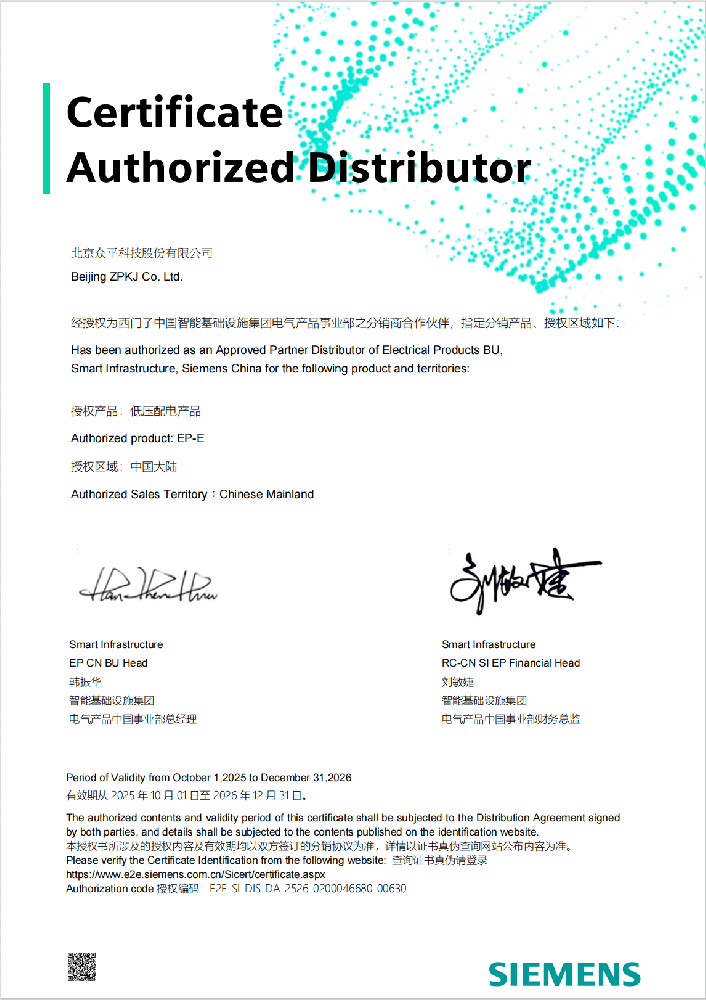
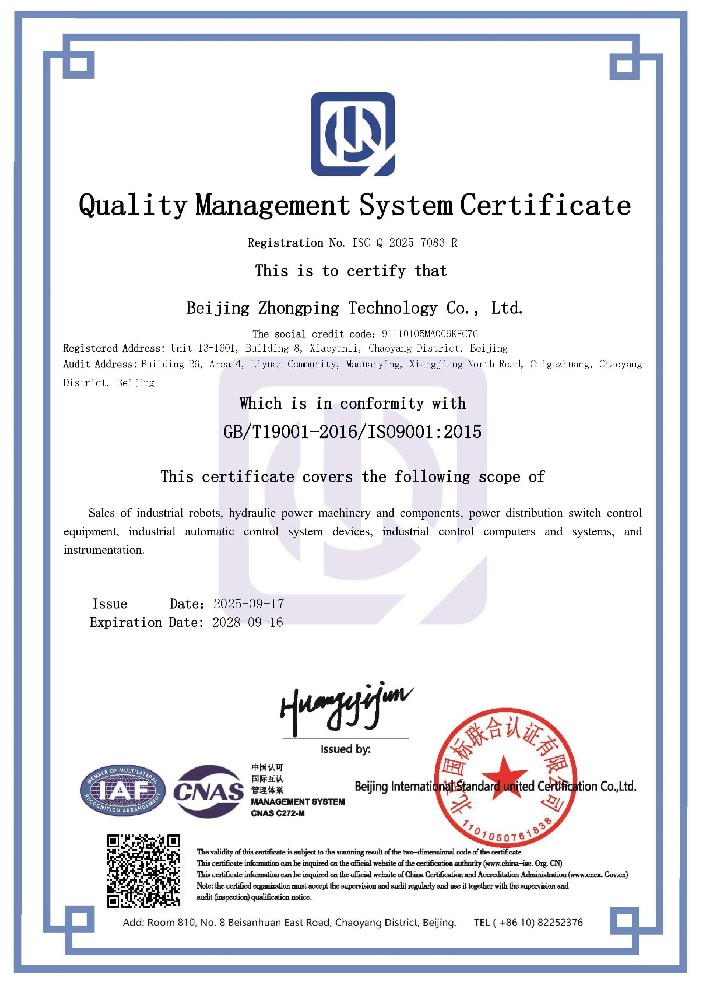
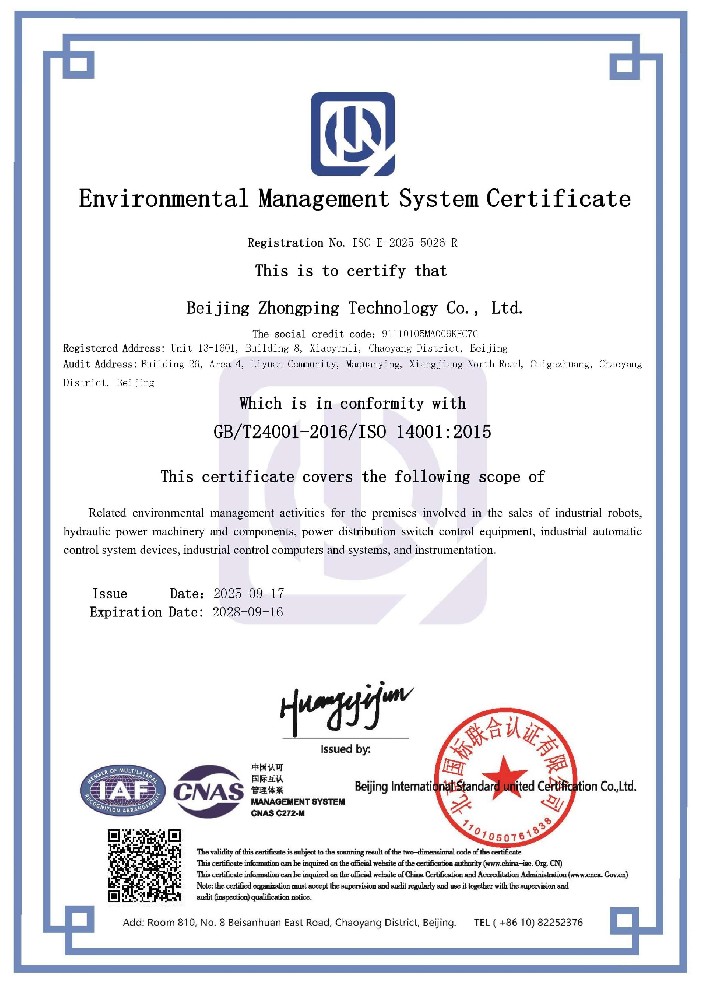
Industrial automation lines often suffer from severe optical barcode degradation caused by oil mist, cutting fluid, and mechanical wear, leading to data loss and unplanned downtime. The HollySys HSR RFID system utilizes advanced high-frequency and ultra-high-frequency radio frequency technology to ensure reliable data tracing on metallic pallets and carriers. Beijing Zhongping Technology supports local engineers by supplying these robust components for seamless factory automation upgrades.
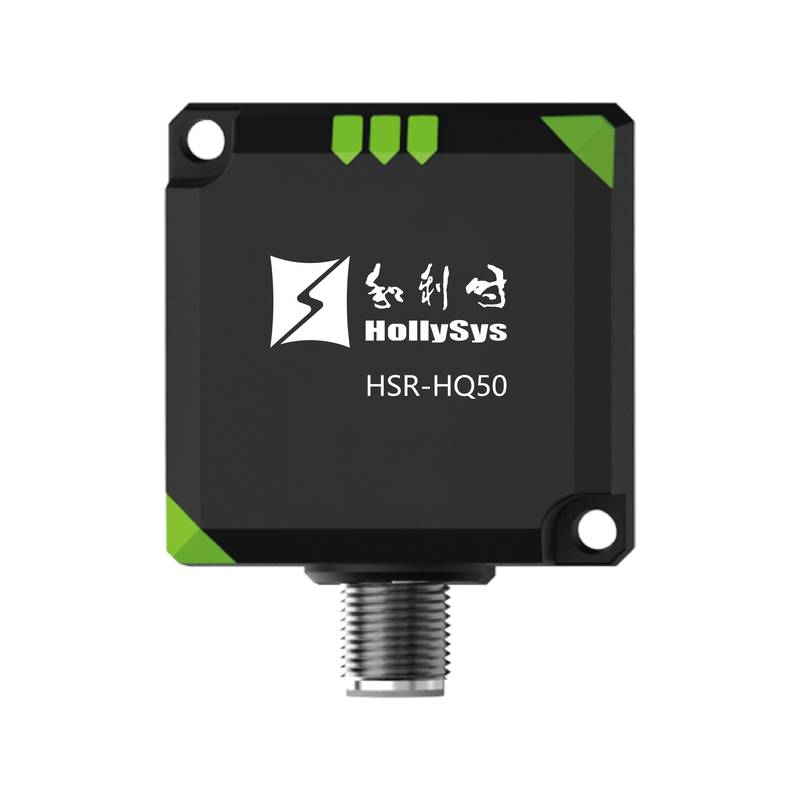
Modern automated manufacturing environments present severe challenges for data collection, particularly in automotive welding lines and lithium battery assembly cells where electromagnetic interference and metallic reflections distort sensor signals. Optical labels frequently fail due to contamination from machining oils and dust, while conventional proximity sensors lack the data payload capacity required for modern flexible manufacturing. The HollySys HSR RFID series addresses these physical constraints by employing dedicated high-frequency and ultra-high-frequency radio circuits combined with specialized metal-immune algorithms. This architecture allows the reader heads to accurately capture data from tags mounted directly on metal surfaces without signal degradation. The system processes radio frequency energy efficiently, ensuring stable communication even when adjacent to high-current power lines or heavy welding equipment.
Technical Specifications
Operating Frequency HF: 13.56 MHz @ ISO/IEC 15693
Operating Frequency UHF: 860-960 MHz @ ISO/IEC 18000-6C
Enclosure Rating: IP67 @ -25°C to +70°C
Supply Voltage Range: 24 VDC ± 10% @ Ripple < 10%
Communication Interface IO-Link: HSR-HM18-IOL @ 38.4 kbps
Communication Interface RS485: HSR-HM18-485 @ Modbus-RTU Protocol
Communication Interface PROFINET: HSR-UQ215-PN @ 100 Mbps
Communication Interface EtherCAT: HSR-UQ215-ECT @ 100 Mbps
Communication Interface EtherNet/IP: HSR-UQ215-EIP @ 100 Mbps
Reading Distance HF M18: 0-30 mm @ Standard Tag
Reading Distance HF M30: 0-50 mm @ Standard Tag
Reading Distance HF Square 50: 0-80 mm @ Standard Tag
Reading Distance HF Square 80: 0-110 mm @ Standard Tag
Reading Distance HF Square 100: 0-150 mm @ Standard Tag
Reading Distance UHF 215: 0-10 M @ 9 dbi Antenna
Reading Distance UHF 100: 0-2 M @ Integrated Antenna
Tag Memory High Frequency: 128 Bytes to 2 KB @ EEPROM
Tag Memory Ultra High Frequency: U8 / H3 / H9 @ User Memory Configurable
Housing Material: Nickel-Plated Brass and Industrial PA66 @ Flame Retardant
System Integration and Hardware Setup
Integrating the HSR RFID readers into an existing control architecture requires careful attention to physical mounting and electrical wiring to prevent ground loops and signal attenuation. The read heads utilize standardized M12 or terminal-based industrial connectors designed for secure transmission in high-vibration environments. Shielded twisted-pair cables must be used for RS485 and fieldbus connections, with the cable shield properly grounded at the control cabinet entry point using EMC cable glands to suppress high-frequency electromagnetic noise. When installing multiple reader heads in close proximity, maintain the minimum separation distance specified in the physical manual to prevent cross-talk between adjacent radio frequency fields. Power distribution should be routed separately from motor drive cables to maintain a stable 24 VDC supply voltage at the device terminals. Bus controllers such as the HSR67 series aggregate multiple radio frequency channels, simplifying topology layout and reducing wiring complexity across distributed station nodes.
Reliability and Environmental Durability
Harsh factory conditions demand robust mechanical and thermal engineering to ensure continuous, maintenance-free operation. The HSR series features an IP67 protection rating, sealing the internal electronics against continuous exposure to moisture, coolant sprays, and fine particulate dust. Thermal management is optimized for ambient operating temperatures ranging from -25°C to +70°C, preventing internal component degradation during high-temperature operational cycles. The housing utilizes corrosion-resistant materials that withstand aggressive chemical cleaning agents commonly used in food processing and pharmaceutical packaging lines. Furthermore, the specialized anti-metal tags maintain structural and electrical integrity under mechanical stress, repeated thermal shock, and heavy compressive loads typical of automotive body shops and heavy material handling conveyors.
Selection Guidance and Alternative Options
Choosing the correct RFID configuration depends on read distance requirements, tag memory size, and available fieldbus networks within the plant architecture. High-frequency models with IO-Link or RS485 interfaces suit short-range pallet tracking and tool identification on CNC machines, while ultra-high-frequency units with PROFINET or EtherCAT protocols are optimized for long-range logistics sorting and smart warehouse management. Beijing Zhongping Technology provides technical support and cross-reference selection services to help engineers match specific reader heads, antennas, and metal-immune tags to unique application requirements. Local inventory availability ensures rapid project deployment and minimal downtime during component replacement or line expansion phases.
Frequently Asked Questions (FAQ)
1. What is the typical lead time for standard HSR RFID reader models?
Standard configurations are stocked for immediate dispatch, while specialized high-temperature or custom bus variants require standard factory shipping schedules.
2. What warranty coverage applies to the HSR RFID hardware?
All hardware components are backed by a comprehensive 12-month manufacturer warranty covering material and production defects.
3. How does metal-mounting affect the read range of HSR tags?
Standard tags lose performance when placed directly on metal surfaces, whereas designated anti-metal tags utilize a shielding layer to redirect magnetic fields, maintaining stable read distances up to 80 mm for high-frequency variants.
4. Can the HSR-HM series readers communicate directly with IO-Link masters?
Yes, models designated with the IOL suffix support IO-Link communication protocol, enabling parameter configuration and cyclical process data exchange through standard master modules.
5. What is the maximum cable length allowed for RS485 communication?
The RS485 communication line supports distances up to 1,200 meters under standard baud rates, provided proper line termination resistors are installed at both ends.
6. Are the UHF antennas interchangeable with different reader modules?
UHF reader models such as the HSR-UQ215 support external antennas like the HSR-UA-50, HSR-UA-150, and HSR-UA-240, allowing scalable read coverage depending on the physical detection zone.
7. How are the device parameters configured during initial setup?
Parameters can be configured via standard PLC engineering software using device description files (GSD/EDS) or directly through IO-Link parameterization tools depending on the interface type.
8. What is the maximum data storage capacity of the supported tags?
Tag memory ranges from 128 Bytes up to 2 KB for high-frequency models, and features configurable user memory banks for ultra-high-frequency variants depending on the specific chip type selected.
FAQ
1.Who are We?
Beijing Zhongping Technology Co., LTD., is a global industrial electrical automation service provider, is a scientific research, design, marketing, technical services, industrial Internet, international import and export services as one of the science and technology companies.
2.What can you buy from us?
PLC, inverter, human-machine interface, hydraulic products, low-voltage power distribution, industrial robots and core components
3.Is the item in stock or need to be purchased from another supplier?
We have a large inventory of goods and have our own warehouse.
4.What advantages do we have over other suppliers?
Our company has a large amount of inventory and a number of warehouses, but also in the country's important industrial provinces and cities with offices and a number of overseas service points. To provide you with intelligent manufacturing one-stop comprehensive services, save efforts, labor and cost.
5.Can you provide 100% new original authentic products?
We only sell new original genuine, no renovation, no fake, only for the original factory original!
6.How long is the delivery time?
If there is a stock, it will take 2-3 working days to ship, if the quantity is large, it will take 5-7 working days after receiving the payment, if it is not a conventional model, it will take some time, we will inform you of the specific delivery time.
7.Is there technical support available?
Of course, we have a professional technical team that can help you solve technical problems.
8.How do we guarantee quality?
We have three processes to control the quality of goods.
1) Our engineers will inspect the production and quality control in the factory regularly.
2) Incoming materials shall be inspected by experienced purchasing engineers before they can be stored.
3) At least 2 people in the logistics department cross-check the goods to be sent before delivery.
9.Can you guarantee the safe and reliable delivery of your products?
Yes, we strictly adopt the international standard packing. We also use special packaging for dangerous goods, and refrigerated shipping for items with temperature requirements. Special item packaging and general cargo standard packaging requirements may incur additional costs.
10.How about the freight?
The cost depends on how you choose to get the goods. Express is usually the fastest but also the most expensive way. Sea freight is the best solution for large quantities of goods. The exact shipping cost depends on the purchase amount、quantity and weight of your order. Please feel free to contact us for more information.

 +86 010-64225983
 +8613811814778

 Building 26, Liyuan Community, Chaoyang District, Beijing, China