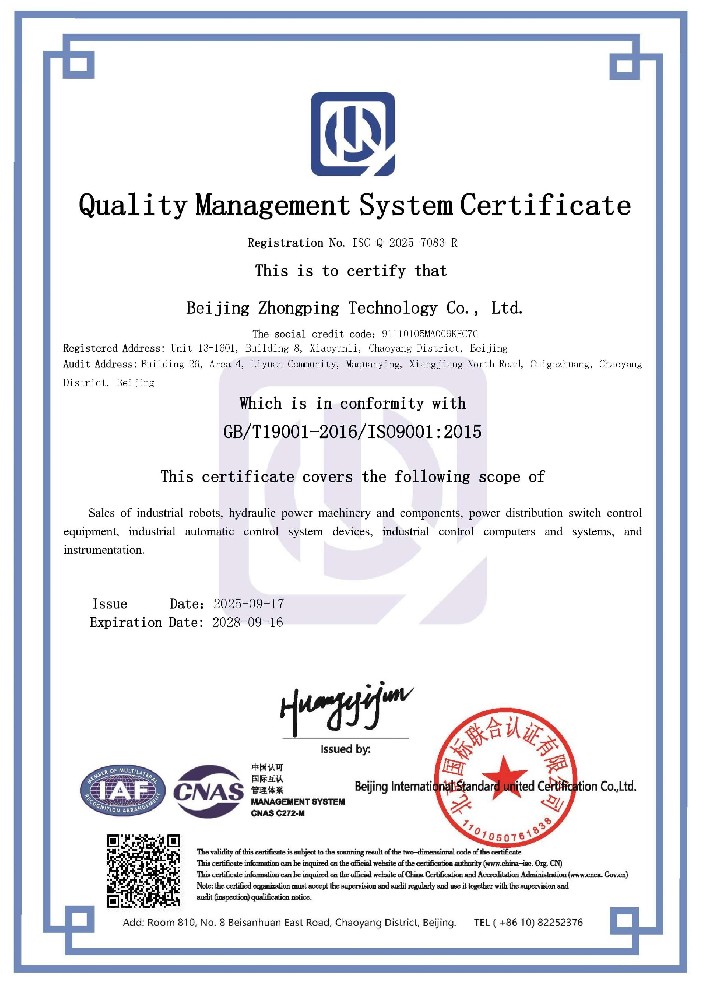
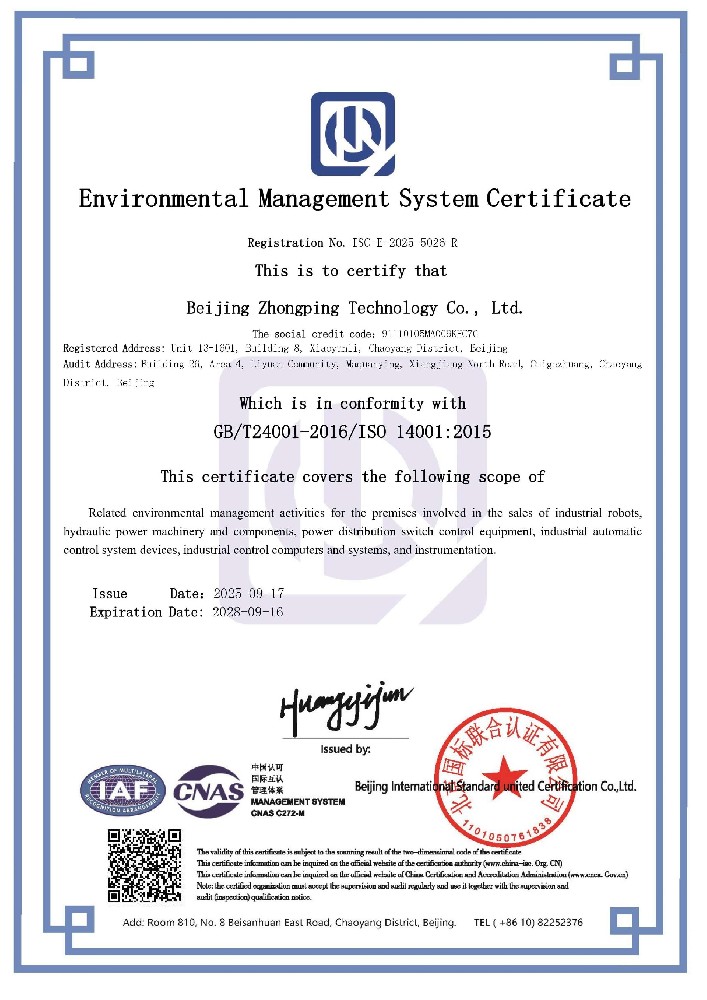
The AUBO-iS10 is a high-performance industrial robot designed for precision-driven collaborative automation, serving as a versatile member of the collaborative robots cobots category. Engineered with advanced force-torque sensing and flexible deployment capabilities, the AUBO-iS10 excels in dynamic industrial environments such as CNC machine tending, assembly, and inspection, where it significantly optimizes production throughput and human-machine synergy.
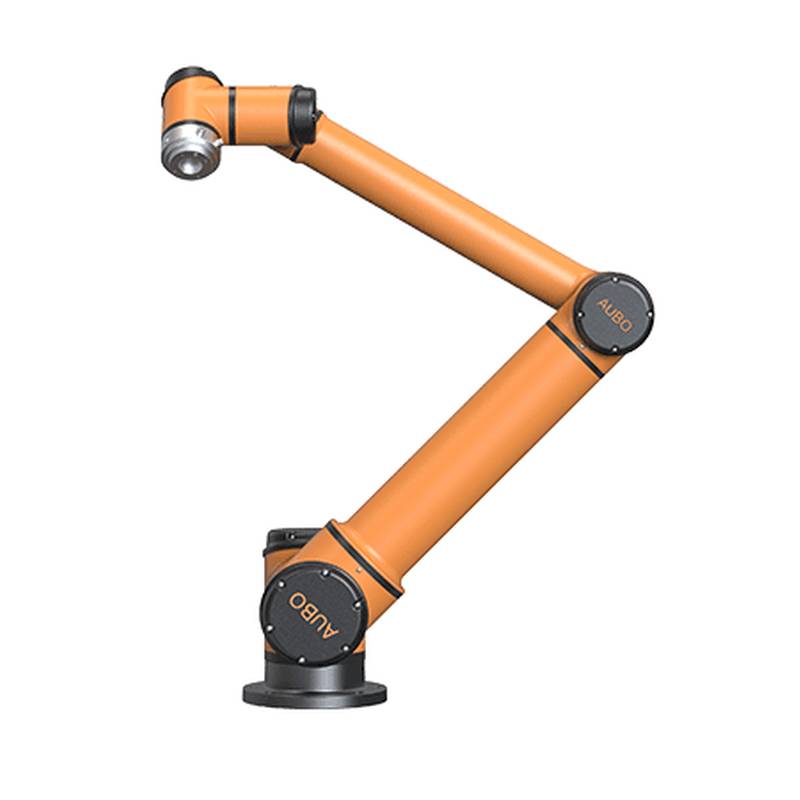
Model: AUBO-iS10
Payload Capacity: 10 kg
Reach Radius: 1350 mm
Repeatability: ±0.03 mm
Degrees of Freedom: 6-axis
Joint Speed: Up to 180 degrees/s
Communication Protocols: Modbus TCP/IP, EtherCAT, PROFINET
IP Rating: IP54
Weight: 35 kg
Power Consumption: 200 W (Typical)
The AUBO-iS10 integrates seamlessly into sophisticated manufacturing ecosystems by leveraging its lightweight architecture and high-precision motion control. Unlike traditional rigid industrial systems, this cobot utilizes proprietary safety-rated monitoring functions, allowing it to operate in proximity to human operators without the immediate requirement for bulky safety cages. This feature reduces the overall integration footprint, enabling manufacturers to repurpose existing floor space while maintaining rigorous safety standards.
In CNC machine tending operations, the AUBO-iS10 addresses the critical challenge of high-mix, low-volume production. By employing advanced trajectory planning, it achieves the repeatability necessary for loading and unloading workpieces into machine tools with micrometer-level accuracy. This consistency minimizes scrap rates and ensures that equipment utilization remains high across multi-shift cycles. Furthermore, the robot’s intuitive programming interface allows technical teams to rapidly switch between tasks, reducing downtime associated with product changeovers.
For applications in automotive assembly, the unit provides the necessary payload-to-weight ratio to handle components such as fasteners, sensors, or lightweight structural parts. Its internal cable management design ensures reliability during complex, repetitive motion patterns, while its compatibility with various end-effectors—including vacuum grippers and electric parallel grippers—enhances its adaptability to different assembly stages. In food processing and packaging, the smooth, corrosion-resistant surface treatment complies with standard industrial hygiene requirements, ensuring safe interaction with secondary packaging lines.
Regarding long-term operational value, the AUBO-iS10 is built for durability under standard industrial duty cycles. The modular joint design simplifies maintenance procedures, allowing for expedited component replacement in the event of hardware fatigue. When evaluating potential deployments, it is recommended to conduct a localized safety assessment and verify the specific payload-reach requirements against the application’s dynamic forces. While the AUBO-iS10 is a premier choice for collaborative tasks, it may not be suitable for high-speed, heavy-duty welding or extreme-environment material handling where specialized IP67-rated or high-payload industrial robots are necessitated.
Within the same series, users may also consider the AUBO-iS3, AUBO-iS5, and AUBO-iS7, which offer varying degrees of payload and reach to accommodate specific task requirements across different production lines.
Q: How can procurement teams ensure that the AUBO-iS10 units received are factory-sealed and authentic during large-scale industrial rollouts?
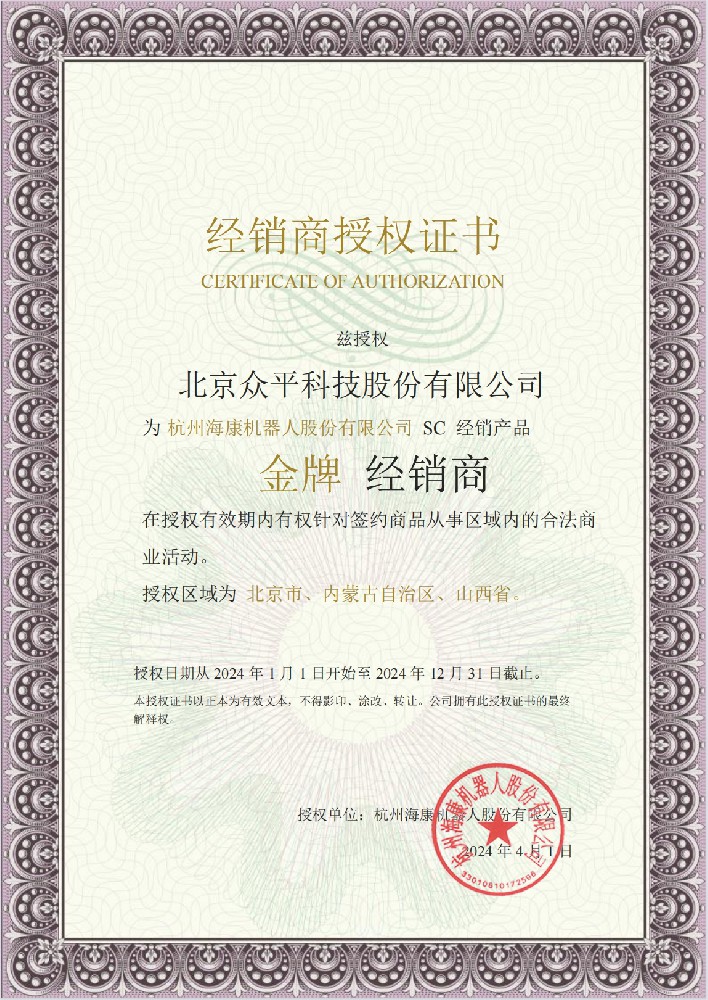
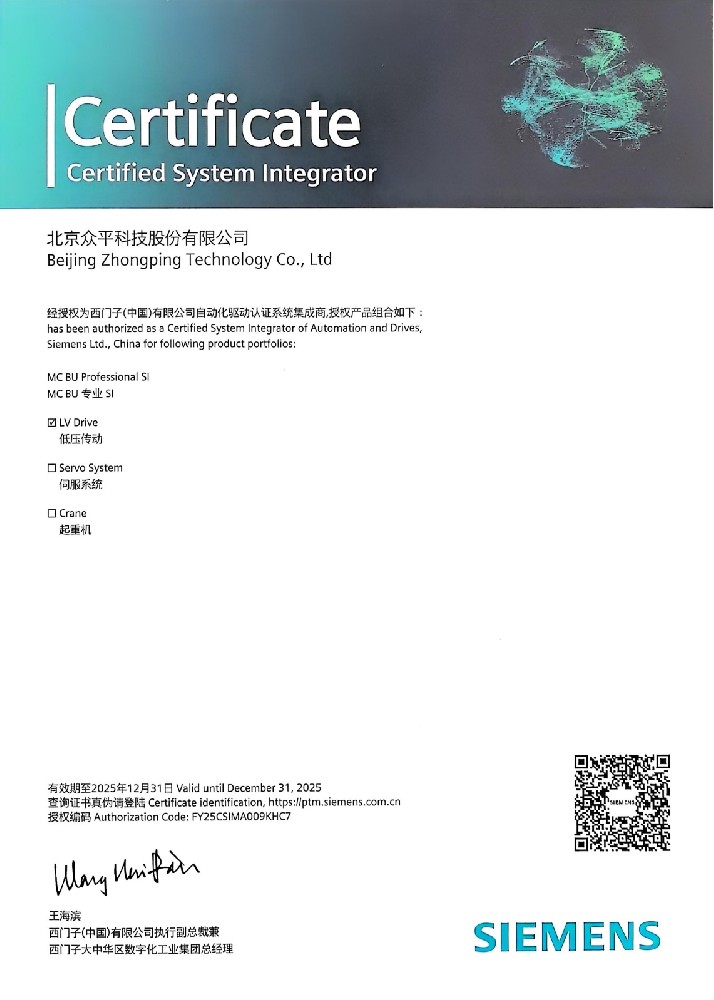
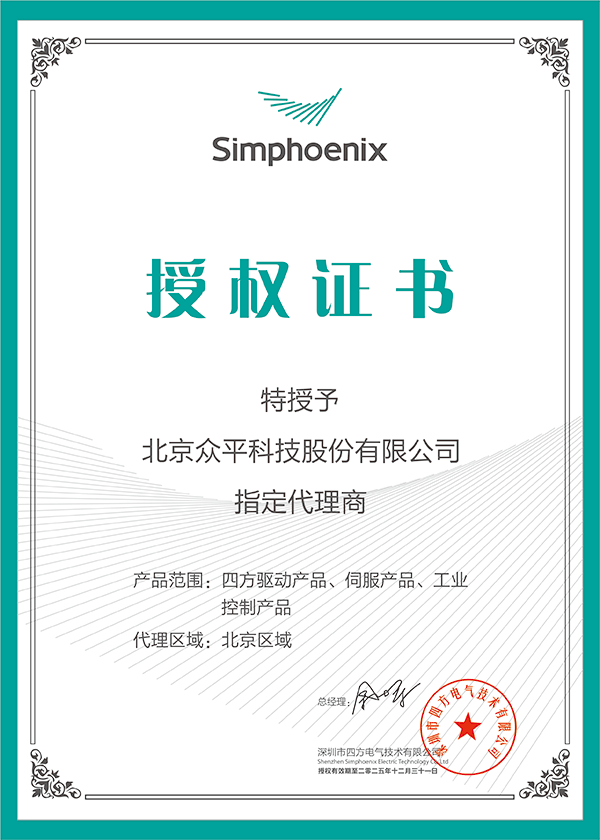
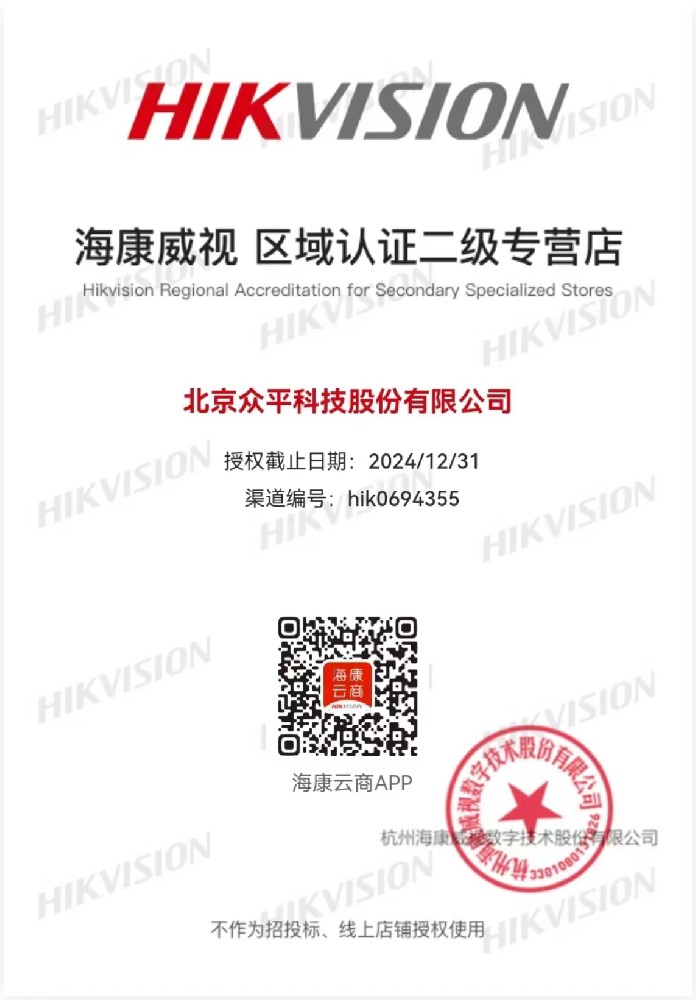
A: Verification of authenticity for industrial automation hardware relies on the inspection of factory-applied tamper-evident seals and the validation of serial numbers through the official manufacturer portal. Authorized regional distributors are required to provide a clear chain of custody documentation. For bulk procurement, our sourcing experts implement a secondary verification process to match hardware revision levels against the original purchase order. To check real-time stock allocation or request an official quote, contact Beijing Zhongping Technology Co., Ltd. directly.
Q: In the event of a potential EOL (End of Life) status for specific AUBO modules, how does the supply chain ensure continuity for existing production lines?
A: When a component nears its lifecycle limit, our sourcing experts coordinate directly with the manufacturer to secure bridge-buy stock. We maintain a detailed ledger of hardware and firmware revisions for all clients to ensure that replacement units are fully backward compatible with the existing control infrastructure, preventing the need for massive reprogramming during maintenance cycles.
Q: How can international buyers manage risks associated with currency volatility when locking in pricing for multi-phase robotics integration projects?
A: To mitigate financial risk in long-term projects, our sourcing experts utilize structured supply agreements that include pre-negotiated price protection clauses. This approach allows procurement departments to lock in inventory allocations at stable rates, even as market conditions fluctuate, ensuring that project budgets remain predictable throughout the deployment phase.
Q: What documentation is provided for compliance audits when importing these industrial robots into regions with strict customs requirements?
A: Professional supply chains provide a comprehensive package for compliance audits, including the Certificate of Conformity (CoC), Certificate of Origin, and full technical specifications required for duty classification. This documentation ensures that the traceability of the product from the factory floor to the end destination remains intact, facilitating smooth customs clearance.
Q: Can the AUBO-iS10 maintain its stated repeatability of ±0.03 mm when subjected to continuous 24/7 operation in a high-temperature CNC environment?
A: While the AUBO-iS10 is rated for high-precision tasks, continuous operation in elevated ambient temperatures can lead to thermal expansion of the mechanical structure. Our technical support department recommends implementing periodic recalibration intervals and ensuring that the robot is installed with adequate thermal dissipation around the joint motors to maintain the stated repeatability over extended duty cycles.
Q: How does the integration of the AUBO-iS10 with legacy PLC systems via PROFINET affect the communication latency in time-sensitive assembly tasks?
A: The AUBO-iS10 utilizes standardized fieldbus communication, ensuring low-latency data exchange with most industrial PLCs. However, actual network cycle times are contingent upon the overall complexity of the network topology. Our technical support department suggests performing a bus load analysis if the robot is integrated into a network containing more than 20 concurrent devices.
Q: Are there specific derating factors that need to be applied when the AUBO-iS10 is utilized for high-acceleration "pick and place" tasks?
A: Yes, for high-acceleration profiles, a derating factor is generally applied to the payload capacity to prevent premature mechanical wear on the joints. Our technical support department provides specific load-curve charts that correlate maximum acceleration with payload weight, helping engineers optimize motion profiles for longevity without sacrificing cycle efficiency.
Q: How can engineering teams verify if their existing end-effector mounting plates are compatible with the AUBO-iS10 flange interface?
A: The AUBO-iS10 adheres to ISO 9409-1 standards for mechanical interfaces. Our technical support department can provide detailed CAD drawings and flange dimension specifications for comparison against your current tooling. In cases where the bolt patterns do not align, we offer guidance on selecting or designing a standardized adapter plate to ensure a seamless mechanical transition.
Q: What are the primary indicators that suggest the internal firmware of an AUBO-iS10 requires an update during an annual system audit?
A: Firmware updates are typically advised if the current version exhibits incompatibility with newer security patches or if specific application requirements necessitate improved trajectory pathing performance. The technical support department recommends checking the release notes provided by the manufacturer against the current installed version to ensure that updates are necessary for feature enhancement rather than just maintenance.
Q: When integrating multiple AUBO-iS10 units into a single production cell, what are the best practices for minimizing electromagnetic interference (EMI)?
A: To minimize EMI in dense automation cells, it is essential to utilize shielded cabling for all communication lines and maintain proper separation between power and signal pathways. Our technical support department advises following standard grounding procedures as outlined in the installation manual to ensure consistent performance, and we assist clients in validating the electromagnetic compatibility of their specific facility layout for ZhongPing Technology.
FAQ
1.Who are We?
Beijing Zhongping Technology Co., LTD., is a global industrial electrical automation service provider, is a scientific research, design, marketing, technical services, industrial Internet, international import and export services as one of the science and technology companies.
2.What can you buy from us?
PLC, inverter, human-machine interface, hydraulic products, low-voltage power distribution, industrial robots and core components
3.Is the item in stock or need to be purchased from another supplier?
We have a large inventory of goods and have our own warehouse.
4.What advantages do we have over other suppliers?
Our company has a large amount of inventory and a number of warehouses, but also in the country's important industrial provinces and cities with offices and a number of overseas service points. To provide you with intelligent manufacturing one-stop comprehensive services, save efforts, labor and cost.
5.Can you provide 100% new original authentic products?
We only sell new original genuine, no renovation, no fake, only for the original factory original!
6.How long is the delivery time?
If there is a stock, it will take 2-3 working days to ship, if the quantity is large, it will take 5-7 working days after receiving the payment, if it is not a conventional model, it will take some time, we will inform you of the specific delivery time.
7.Is there technical support available?
Of course, we have a professional technical team that can help you solve technical problems.
8.How do we guarantee quality?
We have three processes to control the quality of goods.
1) Our engineers will inspect the production and quality control in the factory regularly.
2) Incoming materials shall be inspected by experienced purchasing engineers before they can be stored.
3) At least 2 people in the logistics department cross-check the goods to be sent before delivery.
9.Can you guarantee the safe and reliable delivery of your products?
Yes, we strictly adopt the international standard packing. We also use special packaging for dangerous goods, and refrigerated shipping for items with temperature requirements. Special item packaging and general cargo standard packaging requirements may incur additional costs.
10.How about the freight?
The cost depends on how you choose to get the goods. Express is usually the fastest but also the most expensive way. Sea freight is the best solution for large quantities of goods. The exact shipping cost depends on the purchase amount、quantity and weight of your order. Please feel free to contact us for more information.

 +86 010-64225983
 +8613811814778
 Building 26, Liyuan Community, Chaoyang District, Beijing, China