Low-level millivolt signals originating from precision industrial sensors frequently suffer from ground potential differences and electromagnetic interference across hazardous plant floors. Deploying a reliable galvanic isolation barrier ensures signal integrity while meeting strict intrinsic safety regulations for process control environments.
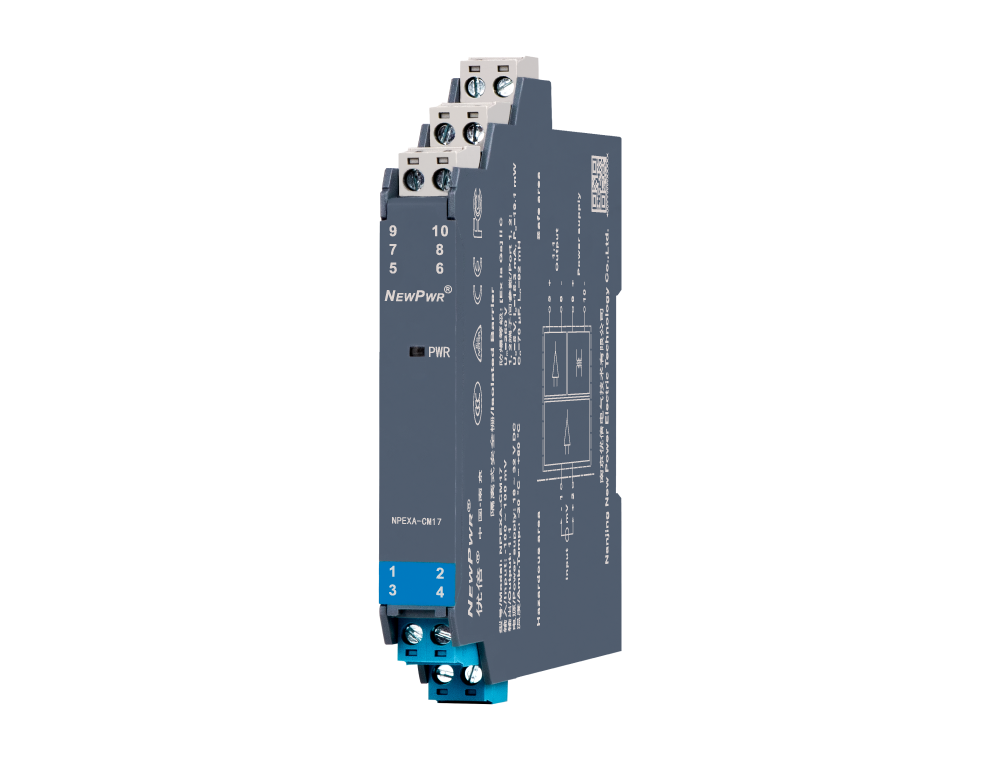
Industrial measurement systems handling thermocouple or strain gauge inputs often encounter severe common-mode voltages and electrical noise that distort readings and threaten control hardware. Protecting sensitive analog input cards requires complete electrical separation between field devices and the control room. The NEWPWR NPEXA-CM17 isolated signal conditioner addresses these engineering challenges by providing precise 1:1 signal transmission coupled with robust three-way galvanic isolation.
Technical Specifications
Power Supply: 18 ~ 32 V DC @ Operational
Input Signal: -100 ~ 100 mV @ Terminal 1 and 2
Input Impedance: ≥ 20 MΩ @ DC Input
Output Signal: 1 : 1 @ Linear Transmission
Output Resistance: 55 Ω @ Output Loop
Response Time: Ta ≤ 2 ms @ 10% to 90% Step
Working Power Consumption: 0.4 W @ 24 V DC Supply
Electromagnetic Compatibility: IEC 61326-3-1 @ Industrial Immunity
Dielectric Strength: ≥ 3000 V AC @ Intrinsically Safe vs Non-Intrinsically Safe Sides
Dielectric Strength: ≥ 1500 V AC @ Power Supply vs Non-Intrinsically Safe Sides
Insulation Resistance: ≥ 100 MΩ @ Input / Output / Power Supply
Working Temperature: -20 ℃ ~ +60 ℃ @ Ambient Air
Storage Temperature: -40 ℃ ~ +80 ℃ @ Non-Condensing
Application Location: Safe Area Installation @ Connecting Zone 0, Zone 1, Zone 2
Explosion Group: IIA, IIB, IIC @ T4 ~ T6 Hazardous Devices
Terminal Connection: Screw Connection @ Rigid / Flexible Wire
Dimensions: Width 12.8 mm × Height 110 mm × Depth 117 mm @ DIN Rail Housing
Mounting Type: DIN 35 mm Rail Mounting @ Standard Enclosure
Product Certifications: NEPSI, CE, FCC, CCC @ Regulatory Compliance
Explosion-Proof Marking: [Ex ia Ga] IIC @ Associated Apparatus
Maximum Voltage (Um): 250 V @ Non-Intrinsically Safe Terminals
Maximum Output Voltage (Uo): 5 V @ Terminals 1 and 2
Maximum Output Current (Io): 15.3 mA @ Terminals 1 and 2
Maximum Output Power (Po): 19.1 mW @ Terminals 1 and 2
Maximum Permissible Capacitance (Co): 70 μF @ Terminals 1 and 2
Maximum Permissible Inductance (Lo): 92 mH @ Terminals 1 and 2
Model List and Specifications
The NEWPWR C-series millivolt isolator family provides dedicated solutions for low-amplitude signal conditioning in hazardous areas. Selecting the correct model depends primarily on channel density requirements within the control cabinet.
- NPEXA-CM17: C Series | Input -100 ~ 100 mV | Output 1:1 | Single Channel Input and Output | 18 ~ 32 V DC Terminal Powered
- NPEXA-CM177: C Series | Input -100 ~ 100 mV | Output 1:1 | Single Channel Input with Dual Outputs | 18 ~ 32 V DC Terminal Powered
Multi-Angle Deep Dive
The flagship single-channel NPEXA-CM17 model delivers exceptional performance through a high input impedance of at least 20 MΩ. This high impedance prevents loading effects on delicate millivolt transducers, ensuring that measurement accuracy remains uncompromised. The device executes a precise 1:1 signal conversion, filtering out high-frequency noise and suppressing ground loop currents that typically plague long-distance analog signal transmission lines.
When system architecture demands signal duplication for separate control and monitoring systems, the dual-output NPEXA-CM177 provides an efficient alternative. It takes a single hazardous area millivolt input and routes two isolated 1:1 outputs into distinct safe-area destinations, such as a primary DCS and an independent safety shutdown system or local recorder. This dual-path configuration eliminates the need for external signal splitters, saving valuable DIN rail space and reducing overall panel wiring complexity.
Intrinsic safety compliance represents a critical pillar of these isolators, certified with an [Ex ia Ga] IIC explosion-proof rating. Entity parameters such as maximum voltage Um of 250 V, open-circuit voltage Uo of 5 V, and short-circuit current Io of 15.3 mA ensure safe energy limitation under fault conditions. These parameters allow direct interfacing with certified field instruments located in Zone 0, Zone 1, or Zone 2 hazardous atmospheres without risking ignition of explosive gas mixtures.
Environmental resilience is reinforced by rigorous dielectric isolation ratings, maintaining at least 3000 V AC between intrinsically safe and non-intrinsically safe circuits. Combined with an insulation resistance exceeding 100 MΩ across power, input, and output terminals, the hardware withstands severe electrical transients and high electromagnetic interference levels commonly found in heavy process industries.
Engineer Selection and Pitfall Guide
Field engineers frequently encounter configuration traps when deploying millivolt barriers. One common mistake is confusing standard 4-20 mA loop-powered isolators with dedicated millivolt input barriers. Attempting to pass raw mV signals through standard current barriers results in catastrophic measurement errors due to mismatched input impedance and lack of specialized low-level amplification stages.
Another frequent oversight involves neglecting the impact of terminal resistance and cable capacitance when connecting long signal runs in hazardous zones. Exceeding the permissible external capacitance Co of 70 μF or inductance Lo of 92 mH defined in the entity parameters compromises intrinsic safety certification, even if the device functions electrically. Engineers must always calculate total loop parameters, including field cabling characteristics.
Proper physical separation and terminal wiring discipline must be maintained between intrinsically safe wiring (light blue terminals) and non-intrinsically safe connections. Mixing wiring paths inside the control cabinet introduces cross-talk and violates hazardous area segregation rules. Utilizing the narrow 12.8 mm housing of the NPEXA series on standard DIN 35 mm rails helps organize high-density multi-channel cabinets while preserving proper clearance distances.
Summary and Conclusion
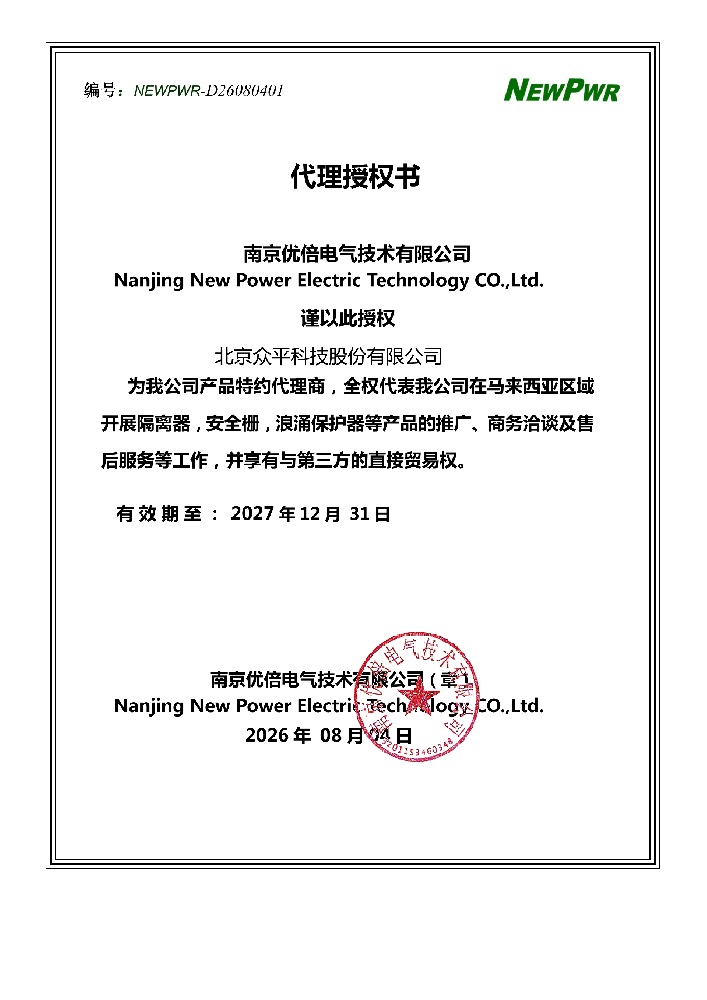
The NEWPWR NPEXA-CM17 and NPEXA-CM177 millivolt signal conditioners deliver dependable galvanic isolation, high input impedance, and certified intrinsic safety protection for delicate measurement loops. Beijing Zhongping Technology offers expert technical support and local inventory availability to assist engineering teams with model cross-referencing and application sizing.
Frequently Asked Questions (FAQ)
1. What is the current stock status and delivery lead time for these millivolt safety barriers?
Beijing Zhongping Technology maintains active regional stock for standard model numbers, enabling rapid same-day or next-day dispatch to minimize project downtime and eliminate overseas shipping delays.
2. What warranty coverage and RMA procedures apply to these units?
All supplied modules are backed by a comprehensive 12-month manufacturing warranty, supported by pre-shipment quality verification and streamlined local replacement services through Beijing Zhongping Technology.
3. What is the operational power consumption and supply voltage range for the NPEXA-CM17?
The unit operates on an external power supply of 18 ~ 32 V DC, consuming a working power of 0.4 W for the single-channel version and 0.8 W for the dual-output variant.
4. How does the device achieve three-port galvanic isolation?
Complete electrical isolation is maintained independently between the input circuit, output circuit, and power supply terminals, preventing ground loops and common-mode voltage damage.
5. What are the environmental temperature limits during operation and storage?
The operational ambient temperature range spans from -20 ℃ to +60 ℃, while storage temperatures can safely range from -40 ℃ to +80 ℃ under non-condensing conditions.
6. What physical mounting format and enclosure dimensions are used?
The module features a slim profile with a width of 12.8 mm, height of 110 mm, and depth of 117 mm, designed specifically for standard DIN 35 mm rail mounting inside industrial control panels.
7. What routine maintenance or troubleshooting steps are recommended?
Periodic inspection should focus on checking screw terminal tightness, verifying insulation resistance levels, and ensuring that no dust or moisture accumulates around the enclosure ventilation gaps.
8. Can these barriers handle signals from thermocouples or resistance temperature detectors?
This specific series is engineered specifically for millivolt inputs ranging from -100 to 100 mV; dedicated thermocouple or RTD transmitters should be selected for temperature sensor applications.
FAQ
1.Who are We?
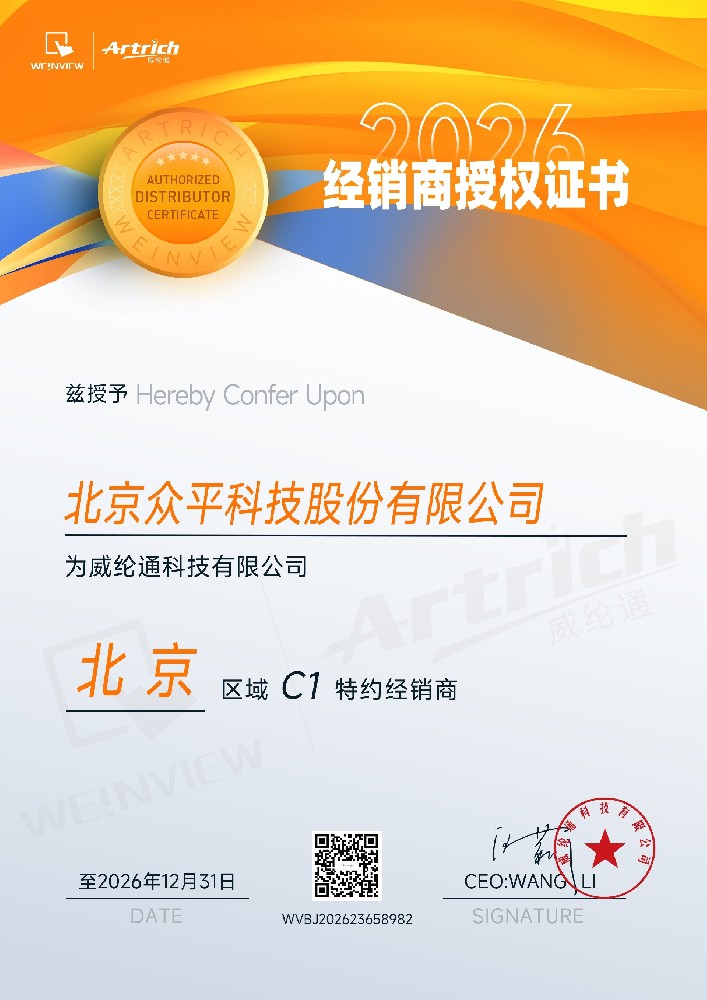
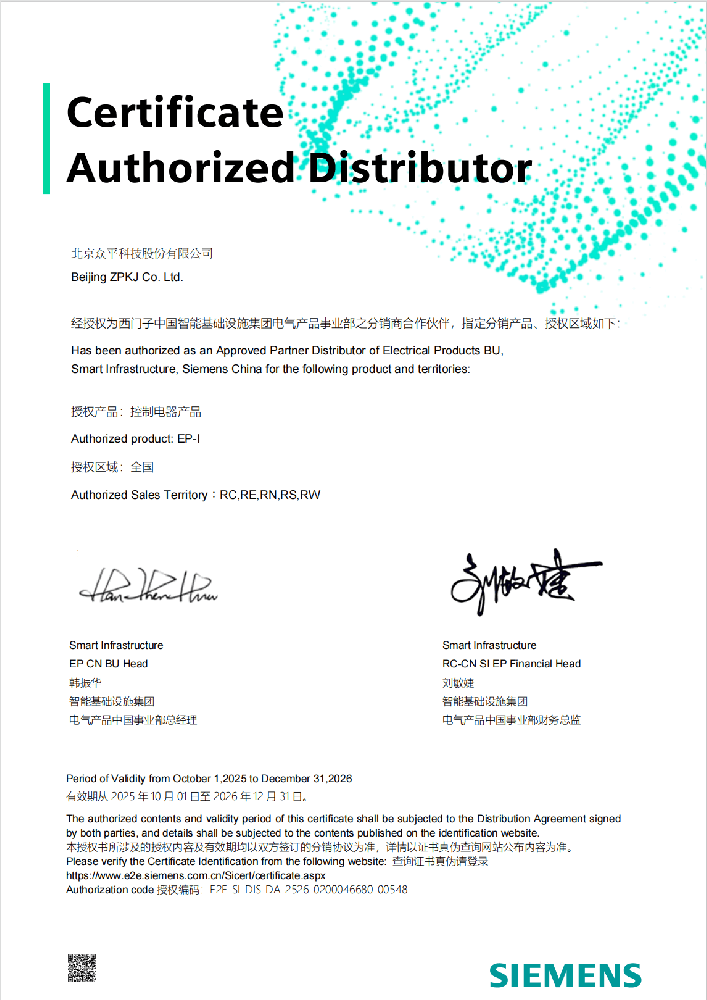
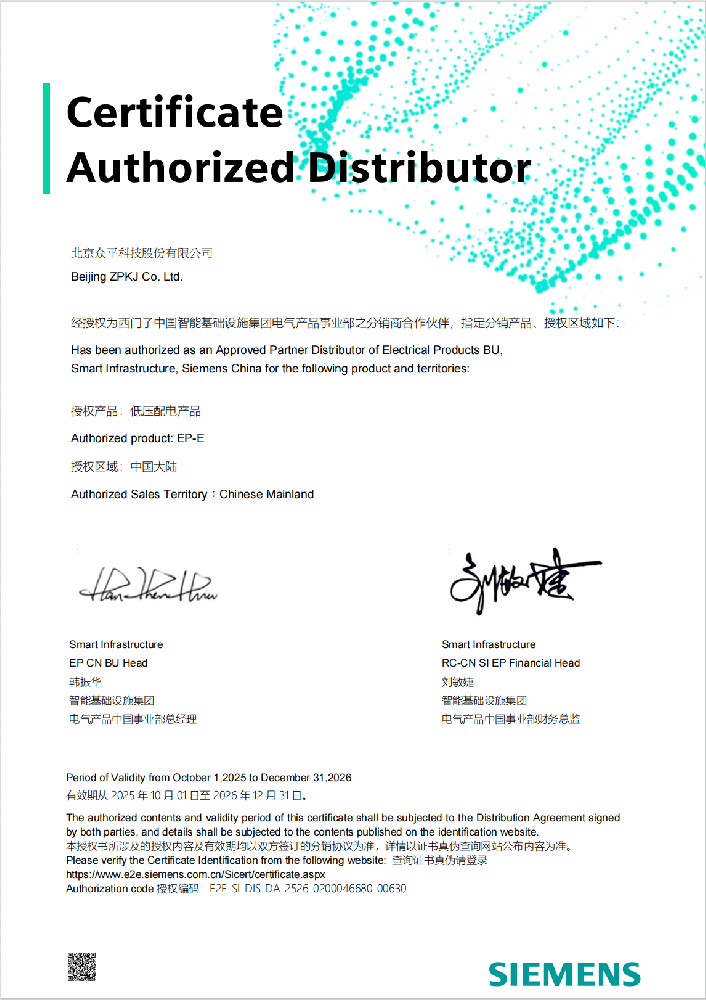
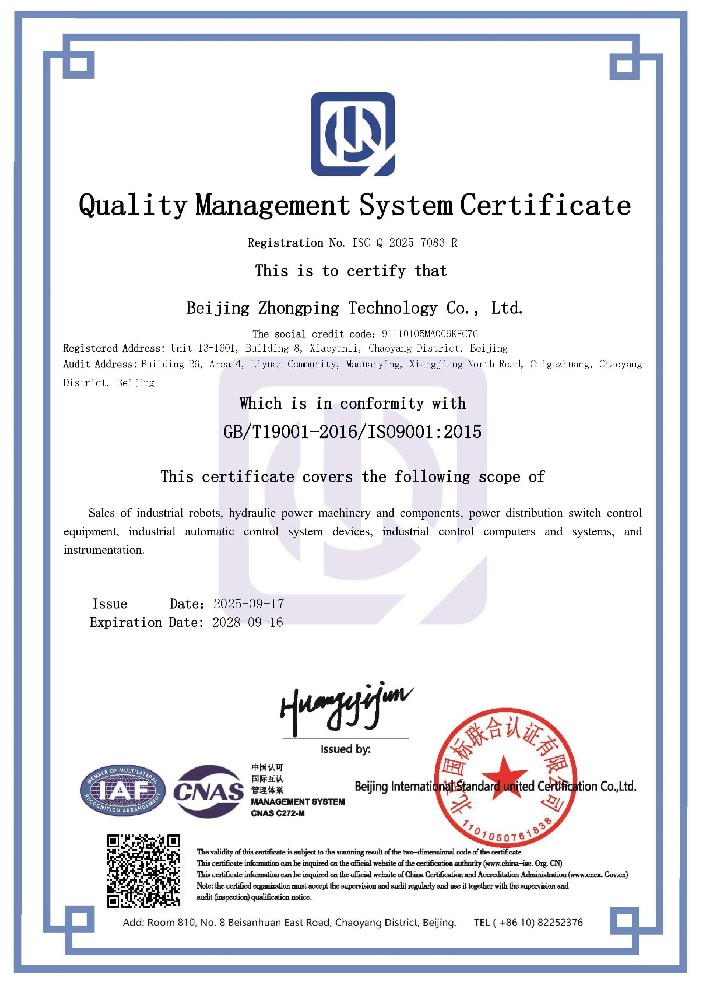
Beijing Zhongping Technology Co., LTD., is a global industrial electrical automation service provider, is a scientific research, design, marketing, technical services, industrial Internet, international import and export services as one of the science and technology companies.
2.What can you buy from us?
PLC, inverter, human-machine interface, hydraulic products, low-voltage power distribution, industrial robots and core components
3.Is the item in stock or need to be purchased from another supplier?
We have a large inventory of goods and have our own warehouse.
4.What advantages do we have over other suppliers?
Our company has a large amount of inventory and a number of warehouses, but also in the country's important industrial provinces and cities with offices and a number of overseas service points. To provide you with intelligent manufacturing one-stop comprehensive services, save efforts, labor and cost.
5.Can you provide 100% new original authentic products?
We only sell new original genuine, no renovation, no fake, only for the original factory original!
6.How long is the delivery time?
If there is a stock, it will take 2-3 working days to ship, if the quantity is large, it will take 5-7 working days after receiving the payment, if it is not a conventional model, it will take some time, we will inform you of the specific delivery time.
7.Is there technical support available?
Of course, we have a professional technical team that can help you solve technical problems.
8.How do we guarantee quality?
We have three processes to control the quality of goods.
1) Our engineers will inspect the production and quality control in the factory regularly.
2) Incoming materials shall be inspected by experienced purchasing engineers before they can be stored.
3) At least 2 people in the logistics department cross-check the goods to be sent before delivery.
9.Can you guarantee the safe and reliable delivery of your products?
Yes, we strictly adopt the international standard packing. We also use special packaging for dangerous goods, and refrigerated shipping for items with temperature requirements. Special item packaging and general cargo standard packaging requirements may incur additional costs.
10.How about the freight?
The cost depends on how you choose to get the goods. Express is usually the fastest but also the most expensive way. Sea freight is the best solution for large quantities of goods. The exact shipping cost depends on the purchase amount、quantity and weight of your order. Please feel free to contact us for more information.

 +86 010-64225983
 +8613811814778

 Building 26, Liyuan Community, Chaoyang District, Beijing, China