The HIKROBOT HAR7-720-C Compact 6-Axis Robot is a high-precision industrial robot designed to meet the growing demand for accuracy,flexibility,and space efficiency in modern automated production environments.As manufacturing systems evolve toward higher integration and tighter tolerances,compact robotic solutions with reliable motion control have become essential for maintaining productivity and quality.

This industrial robot combines precise multi-axis movement with a compact mechanical structure,making it suitable for a wide range of automation tasks where installation space and positioning accuracy are equally critical.
Understanding Compact 6-Axis Robots in Industrial Automation
A compact 6-axis robot is characterized by its ability to perform complex spatial movements while maintaining a small physical footprint.Unlike larger industrial robots designed for heavy payloads,compact models focus on precision,repeatability,and ease of integration within confined workcells.
The six-axis configuration allows the robot to approach workpieces from multiple angles,enabling complex tasks such as angled insertion,precision placement,and multi-orientation handling.This flexibility is particularly valuable in production lines where product variations and frequent changeovers are common.
High-Precision Industrial Robot Capabilities
High-precision industrial robots are engineered to deliver consistent positioning accuracy over extended operating cycles.The HAR7-720-C is designed to support stable motion control across all axes,ensuring smooth trajectories and reliable repeatability during continuous operation.
Precision performance is especially important in applications where small deviations can result in assembly defects or alignment issues.By maintaining accurate path control and stable joint movement,this robot helps manufacturers achieve consistent output quality while minimizing rework and scrap rates.
Compact Design for Space-Constrained Workcells
One of the key advantages of the HIKROBOT HAR7-720-C is its compact structure.Space efficiency allows the robot to be installed in dense production layouts where floor space is limited or where multiple robots operate in close proximity.
The compact 6-axis design supports flexible mounting options,including floor,wall,or ceiling installation,depending on application requirements.This adaptability simplifies system integration and allows automation engineers to optimize cell layout without compromising accessibility or safety.
Application Scenarios for the HAR7-720-C
Precision Material Handling
The HAR7-720-C is well suited for precise pick-and-place operations involving small or delicate components.Its controlled motion and accurate positioning enable reliable part transfer between stations without misalignment or product damage.
Assembly and Sub-Assembly Operations
In automated assembly environments,this high-precision industrial robot supports tasks such as component insertion,fastening,and alignment.The six-axis motion allows the robot to adapt to complex geometries while maintaining stable operation at low speeds.
Inspection and Vision-Guided Tasks
When integrated with machine vision systems,the compact 6-axis robot can perform inspection-related positioning tasks.Accurate and repeatable motion ensures consistent camera alignment,improving inspection reliability and data accuracy.
System Integration and Automation Compatibility
Modern industrial robots must integrate seamlessly with control systems,sensors,and vision platforms.The HAR7-720-C is designed to operate within automated production lines where real-time data exchange and coordinated motion are required.
Its compatibility with industrial controllers and peripheral equipment allows it to function as part of a larger automation ecosystem.This integration capability supports scalable automation strategies and future system expansion.
Value-Added Benefits for Manufacturers
Beyond core robotic functions,compact high-precision robots offer several operational advantages:
Improved production consistency through repeatable motion control
Reduced dependency on manual labor in precision-sensitive tasks
Faster changeovers in flexible manufacturing environments
Better utilization of limited factory space
These benefits contribute to improved overall equipment effectiveness and long-term operational efficiency.
Considerations for Deployment and Long-Term Use
To achieve optimal performance,proper installation and calibration are essential.Stable mounting,correct payload configuration,and routine system checks help maintain accuracy and extend service life.
Regular maintenance and software updates also play a key role in ensuring long-term reliability.In high-duty-cycle applications,proactive monitoring helps reduce unexpected downtime and supports continuous production.
Conclusion
The HIKROBOT HAR7-720-C Compact 6-Axis Robot offers a balanced combination of precision,flexibility,and space efficiency.As a high-precision industrial robot,it supports modern automation requirements across handling,assembly,and inspection tasks.
For manufacturers seeking reliable automation in space-constrained environments,this compact 6-axis robot provides a practical and scalable solution that aligns with evolving production demands.
Customer Questions About the HIKROBOT HAR7-720-C
1.What types of applications benefit most from a compact 6-axis robot like the HAR7-720-C?
A compact 6-axis robot such as the HIKROBOT HAR7-720-C is especially valuable in applications where space constraints and motion flexibility coexist.Many modern production lines are designed with high equipment density,leaving limited room for large robotic systems.In these environments,a compact robot can be installed closer to workstations while still maintaining full spatial movement capability,which improves layout efficiency and reduces unnecessary material transfer distances.
From an application perspective,this type of robot is commonly used in precision handling,light assembly,and positioning tasks that require frequent orientation changes.The six-axis configuration allows the robot to approach components from multiple angles,making it suitable for complex part geometries or fixtures that cannot be accessed by simpler Cartesian or SCARA robots.
In addition,compact 6-axis robots are well suited for flexible manufacturing systems.When product models change frequently or batch sizes are small,the robot’s adaptability reduces reconfiguration time and supports faster production changeovers without major mechanical modifications.
2.How does a high-precision industrial robot improve production consistency?
A high-precision industrial robot improves production consistency by eliminating variability inherent in manual operations.Once motion paths,speeds,and positioning points are defined,the robot executes every cycle using the same parameters.This repeatability ensures that each part is handled,assembled,or positioned in exactly the same way,regardless of production volume or shift duration.
Precision is particularly important in processes where small positional deviations can lead to quality issues.Tasks such as component alignment,insertion,or inspection positioning depend on accurate and stable motion.The HAR7-720-C is designed to maintain controlled trajectories across all axes,reducing vibration and positional drift during continuous operation.
Over time,consistent robotic performance directly impacts downstream processes.Reduced variation leads to fewer defects,more stable inspection results,and improved overall process reliability.This consistency is a key reason why high-precision industrial robots are increasingly adopted in quality-sensitive manufacturing sectors.
3.What factors should be considered when integrating the HAR7-720-C into an existing automation line?
When integrating the HIKROBOT HAR7-720-C into an existing automation line,system compatibility is one of the most important considerations.Engineers should evaluate how the robot will communicate with controllers,sensors,vision systems,and peripheral equipment to ensure seamless coordination across the production cell.
Mechanical integration is another critical factor.Although the robot is compact,proper mounting and workspace planning are essential to avoid interference with surrounding equipment.Understanding the robot’s reach,motion envelope,and payload limits helps optimize cell layout and prevents performance bottlenecks.
Finally,long-term operational requirements should be assessed.This includes maintenance accessibility,software update procedures,and scalability.A well-integrated robot should not only meet current production needs but also support future process adjustments with minimal disruption.
4.In what ways does a compact robot contribute to higher automation efficiency?
A compact robot contributes to higher automation efficiency by enabling denser and more streamlined production layouts.By occupying less space,the robot allows manufacturers to place automation equipment closer together,reducing material handling time and improving overall process flow.
Efficiency is also improved through faster system response and reduced idle time.Compact robots typically have lower inertia,which supports smooth acceleration and deceleration.This characteristic is beneficial in applications that require frequent start-stop motion or precise positioning at low speeds.
Additionally,compact robots simplify automation cell design.Shorter cable runs,reduced guarding requirements,and easier access for maintenance all contribute to lower system complexity.These factors help reduce total installation time and improve long-term operational efficiency.
5.How does the HAR7-720-C support long-term automation reliability?
Long-term automation reliability depends on stable mechanical performance,predictable control behavior,and proper maintenance practices.The HAR7-720-C is designed for continuous industrial operation,with motion control characteristics that prioritize stability and repeatability over extended production cycles.
Reliability is also influenced by how well the robot is matched to its application.Using a compact high-precision robot within its intended payload and duty range reduces mechanical stress and helps maintain accuracy over time.This approach minimizes unexpected wear and supports consistent performance.
From an operational standpoint,routine inspections,calibration checks,and software maintenance are essential.When these practices are followed,a compact 6-axis robot like the HAR7-720-C can deliver reliable automation performance and support sustainable manufacturing operations for many years.
FAQ
1.Who are We?
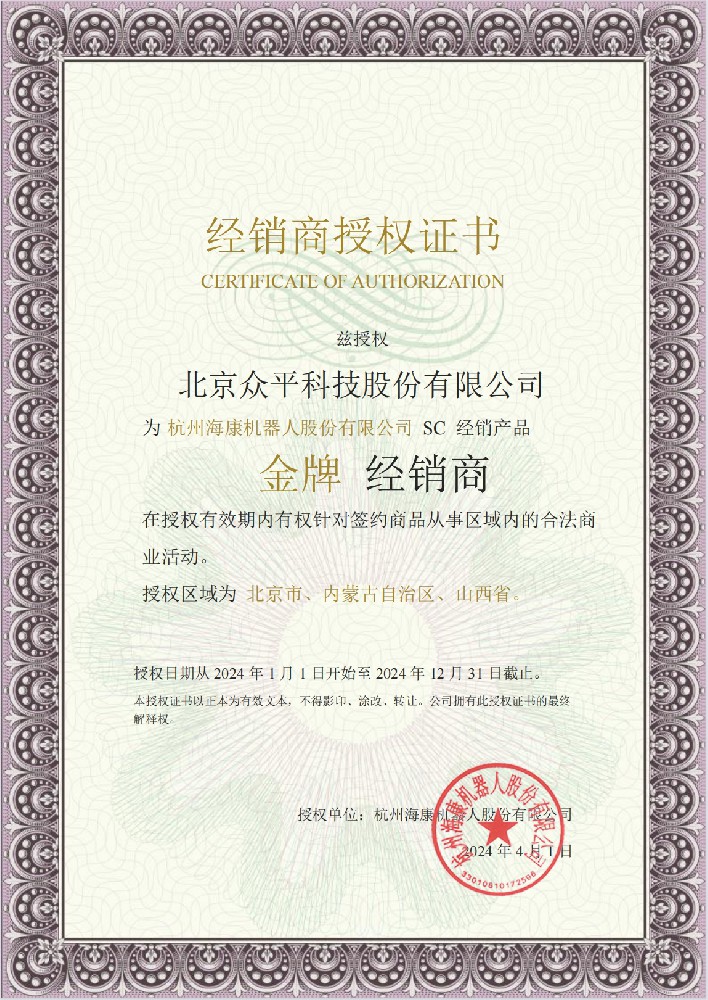
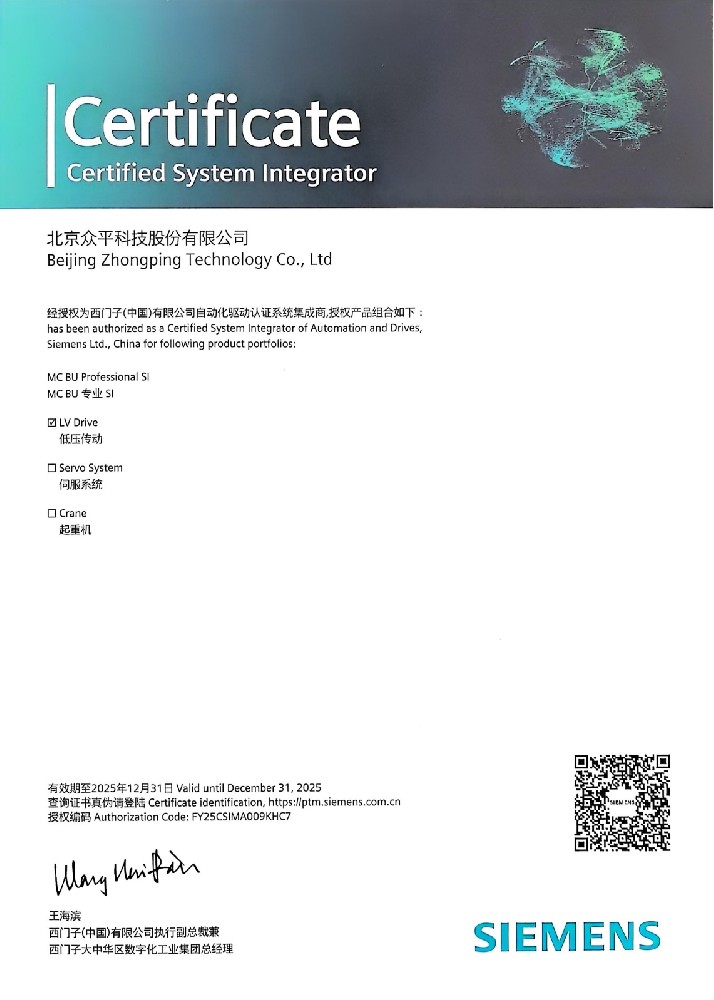
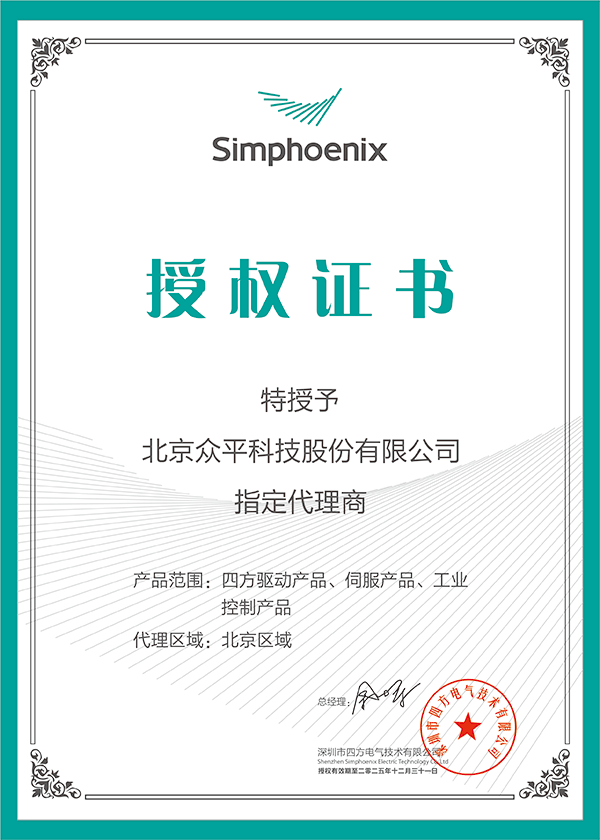
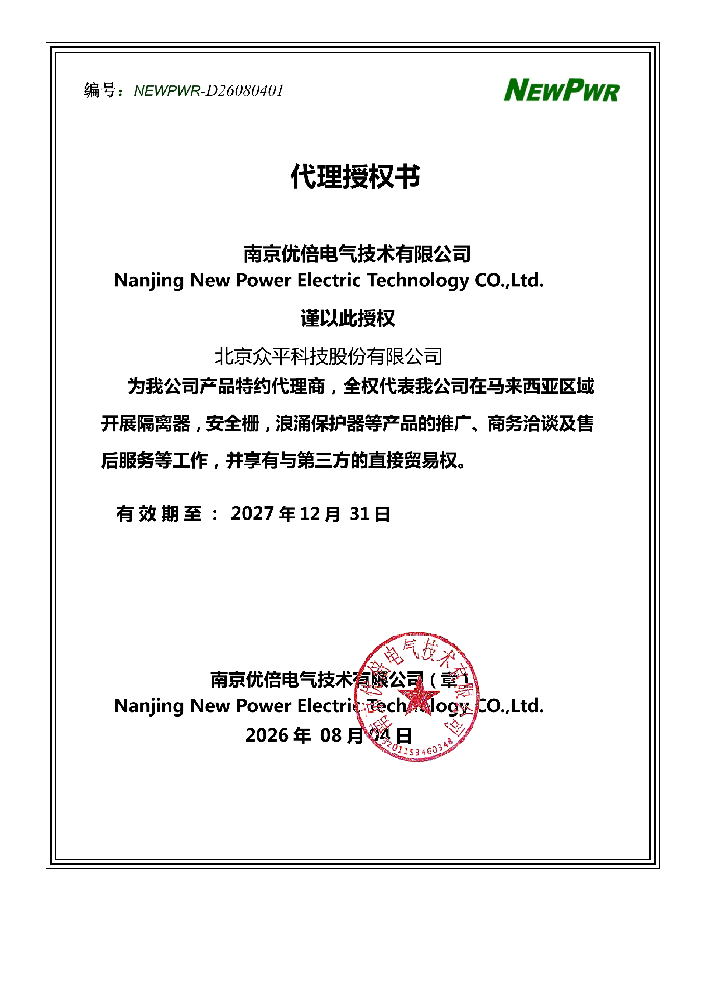
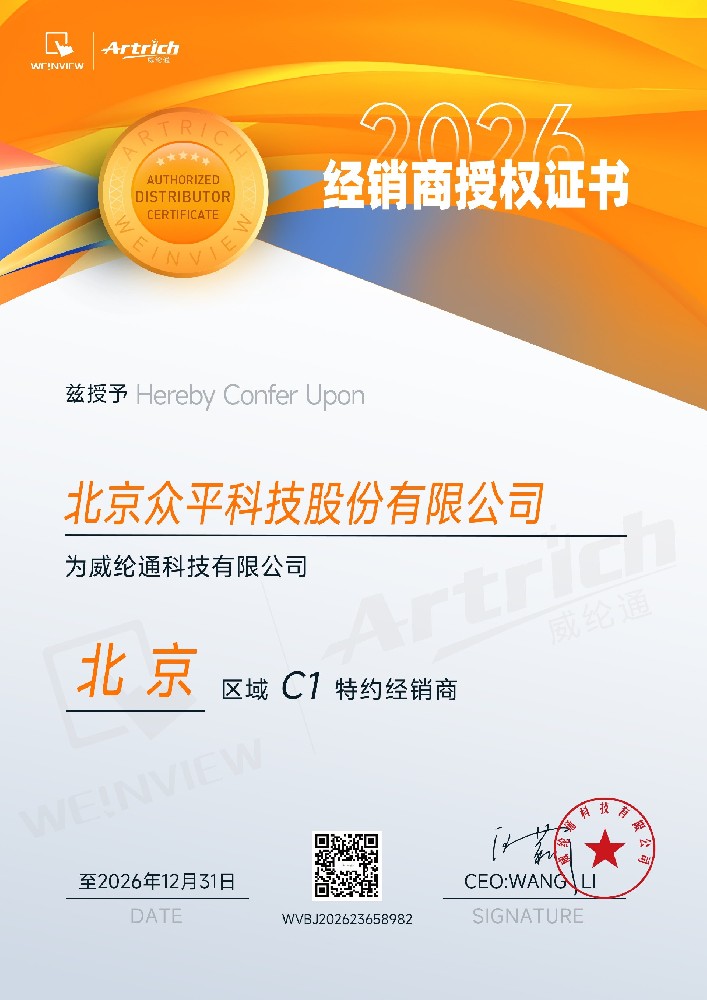
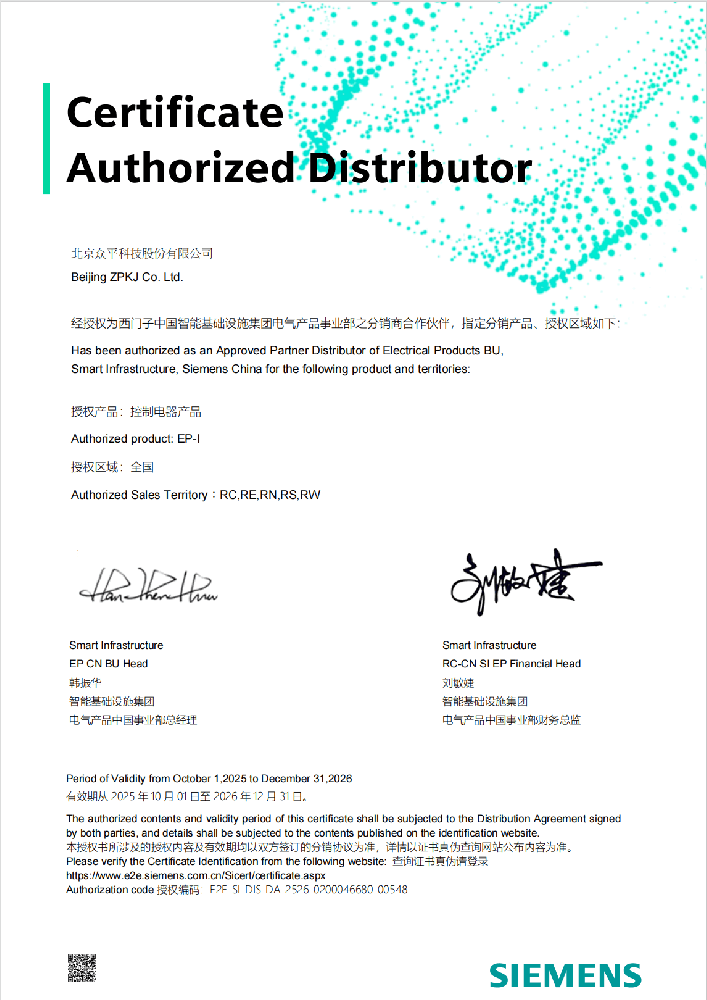
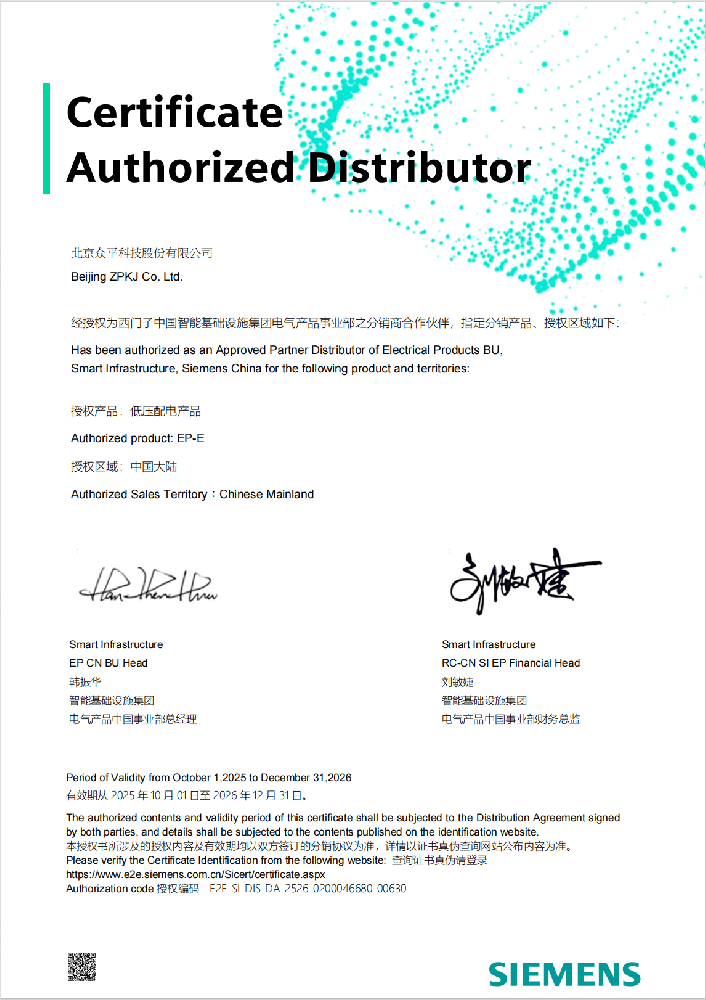
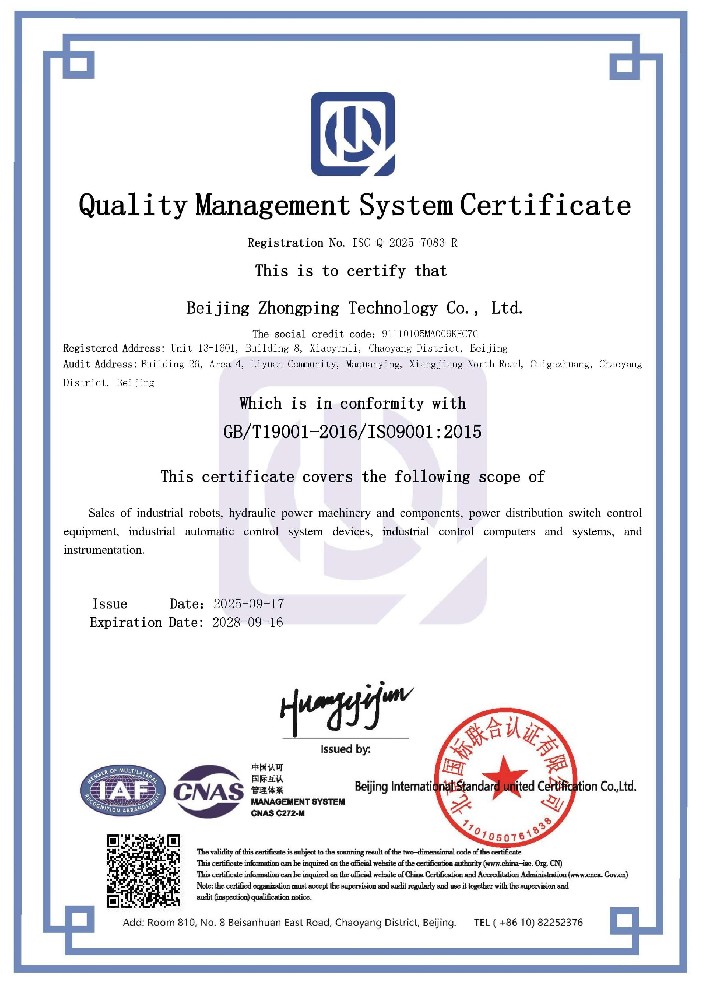
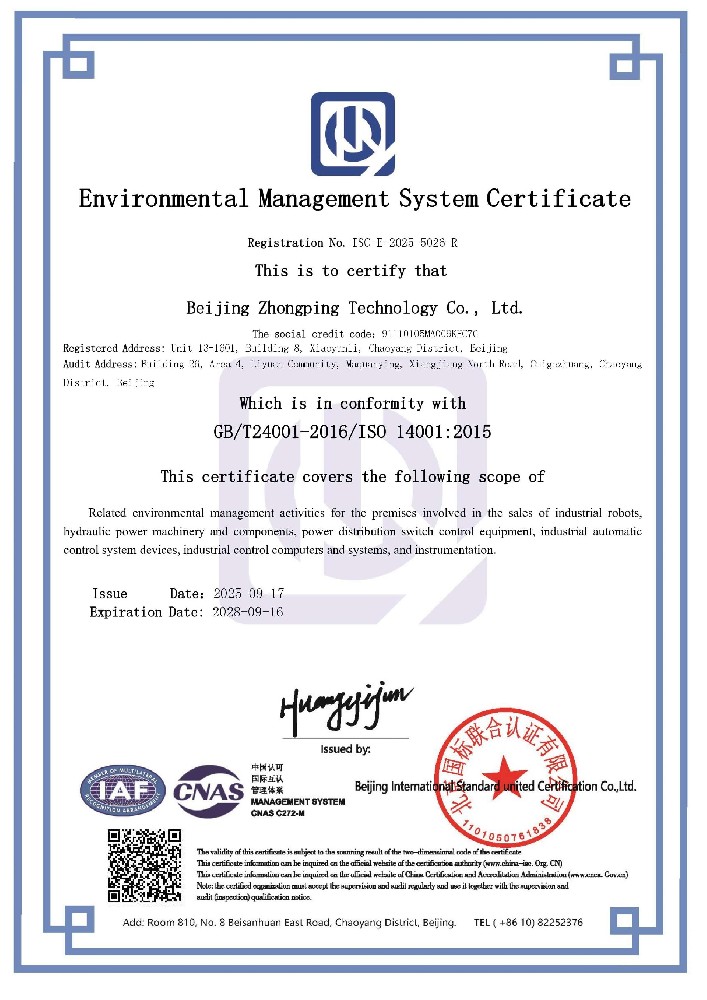
Beijing Zhongping Technology Co., LTD., is a global industrial electrical automation service provider, is a scientific research, design, marketing, technical services, industrial Internet, international import and export services as one of the science and technology companies.
2.What can you buy from us?
PLC, inverter, human-machine interface, hydraulic products, low-voltage power distribution, industrial robots and core components
3.Is the item in stock or need to be purchased from another supplier?
We have a large inventory of goods and have our own warehouse.
4.What advantages do we have over other suppliers?
Our company has a large amount of inventory and a number of warehouses, but also in the country's important industrial provinces and cities with offices and a number of overseas service points. To provide you with intelligent manufacturing one-stop comprehensive services, save efforts, labor and cost.
5.Can you provide 100% new original authentic products?
We only sell new original genuine, no renovation, no fake, only for the original factory original!
6.How long is the delivery time?
If there is a stock, it will take 2-3 working days to ship, if the quantity is large, it will take 5-7 working days after receiving the payment, if it is not a conventional model, it will take some time, we will inform you of the specific delivery time.
7.Is there technical support available?
Of course, we have a professional technical team that can help you solve technical problems.
8.How do we guarantee quality?
We have three processes to control the quality of goods.
1) Our engineers will inspect the production and quality control in the factory regularly.
2) Incoming materials shall be inspected by experienced purchasing engineers before they can be stored.
3) At least 2 people in the logistics department cross-check the goods to be sent before delivery.
9.Can you guarantee the safe and reliable delivery of your products?
Yes, we strictly adopt the international standard packing. We also use special packaging for dangerous goods, and refrigerated shipping for items with temperature requirements. Special item packaging and general cargo standard packaging requirements may incur additional costs.
10.How about the freight?
The cost depends on how you choose to get the goods. Express is usually the fastest but also the most expensive way. Sea freight is the best solution for large quantities of goods. The exact shipping cost depends on the purchase amount、quantity and weight of your order. Please feel free to contact us for more information.

 +86 010-64225983
 +8613811814778
 Building 26, Liyuan Community, Chaoyang District, Beijing, China