HIKROBOT SA1220M-10MP is a machine vision lens and a 12mm c mount lens designed for 10 MP imaging on 4/3" sensors, delivering wide-field inspection accuracy in industrial vision systems. In practical engineering terms, this lens is positioned for applications that need a relatively wide viewing angle, stable manual setup, and image quality sufficient for modern high-resolution cameras used in automation, metrology, and defect detection. Its specification set indicates that it is intended not as a general photographic optic, but as a controlled industrial component for repeatable machine vision integration where sensor coverage, focus stability, and mounting compatibility matter more than consumer-style features.
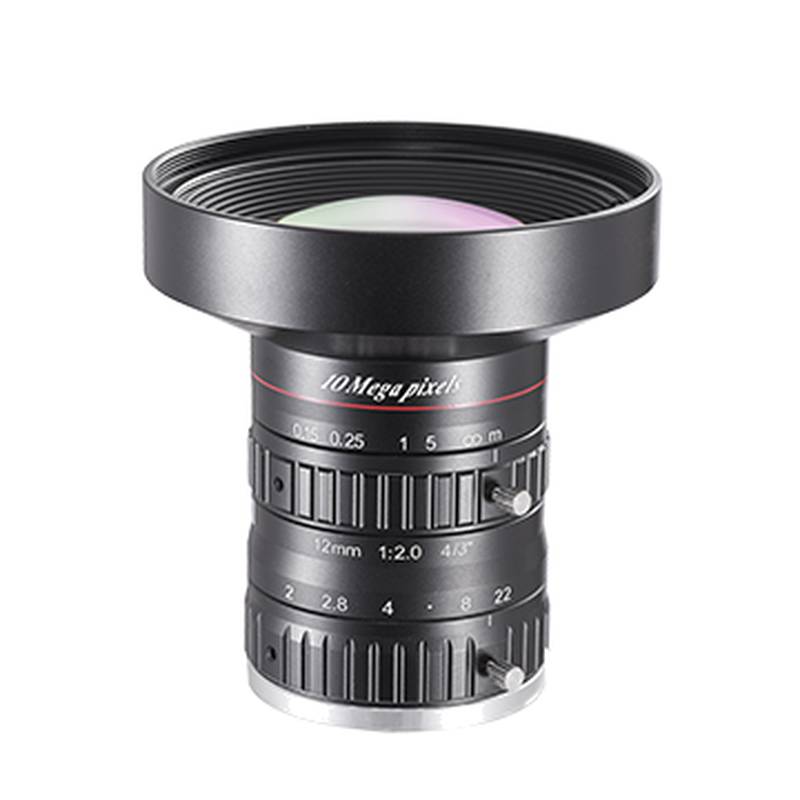
From a system design perspective, the SA1220M-10MP fits the common requirement of pairing a high-resolution industrial camera with a lens that can cover a 4/3" image format without forcing excessive compromise in corner sharpness or field coverage. A 12 mm focal length on a 4/3" sensor gives a wide field of view, which is useful when engineers need to inspect larger targets at moderate working distances, reduce the number of cameras in a station, or maintain full-scene awareness in robotic guidance. The F2.0 maximum aperture also gives flexibility in lighting design. In low-light or high-speed capture conditions, a wider aperture can help maintain exposure without pushing gain too aggressively, while the ability to stop down to F22 supports depth-of-field management when target height variation is present.
Model: SA1220M-10MP
Brand: HIKROBOT
Product type: Machine vision lens
Lens category: 12 mm, F2.0, 4/3", 10 MP, C-Mount lens
Focal length: 12 mm
F-number: F2.0 to F22
Image size: Φ23 mm, 4/3"
Optical distortion: -2.40%
Minimum object distance: 0.15 m
Field of view: D 22.6 mm: 89.0 degrees, H 18.13 mm: 75.5 degrees, V 13.6 mm: 61.1 degrees
Iris control: Manual
Focus control: Manual
Filter thread: M77 × 0.75
Mount type: C-Mount
Flange back focal distance: 17.526 mm
Dimensions: Φ80 mm × 83.8 mm
Weight: 445 g
Operating temperature: -10 to 50°C
Certification: RoHS 2.0
The most important practical characteristic is the combination of 10 MP-rated resolution and 4/3" image circle support. In industrial vision, it is common to find lenses that can mechanically mount to a camera but do not fully support the sensor format or pixel density. That mismatch often appears as corner softness, reduced contrast near the edges, or unstable measurement results when features are detected away from the image center. The SA1220M-10MP addresses this integration risk by being specified for 4/3" coverage and 10 MP resolution, making it relevant for systems based on larger area sensors where broad scene capture and consistent edge performance are required.
Resolution rating: 10 MP
Sensor format support: 4/3"
Image circle: Φ23 mm
Mount compatibility: C-Mount
Focus method: Manual focus
Aperture method: Manual iris
The focal length of 12 mm places this model in the wide-angle end of industrial fixed focal optics for 4/3" cameras. This is especially useful when the machine builder needs to inspect a relatively large field from a short to medium working distance. Compared with longer focal lengths, a 12 mm lens can reduce the mechanical footprint of the vision station because the camera does not need to be mounted as far away from the target. That can shorten enclosure depth, simplify guarding design, and reduce the need for long support brackets that may introduce vibration. At the same time, engineers should recognize the tradeoff: a wider lens generally makes each pixel represent a larger physical area on the object, so ultra-fine metrology may require either a higher resolution camera or a different focal length.
Focal length: 12 mm
Typical integration value: Wide field coverage at short to medium working distance
Mechanical implication: Reduced camera stand-off distance in compact stations
Measurement implication: Larger field, lower pixel density on target compared with longer focal lengths
The stated optical distortion of -2.40% indicates visible barrel distortion typical of a wide-field optic. This does not automatically disqualify the lens from precision tasks, but it does define how the system should be engineered. For presence detection, code reading, robot localization, and many classification tasks, this level of distortion is usually manageable, especially if the region of interest is near the image center or if software calibration is applied. For high-accuracy dimensional gauging across the full field, engineers should validate whether lens calibration and image rectification are sufficient for the required tolerance stack. In other words, the lens can be used in precision-capable systems, but the final measurement performance depends on calibration workflow, target geometry, and the camera-lens-distance relationship.
Optical distortion: -2.40%
Distortion type: Barrel distortion tendency
Best use with calibration: Full-field measurement, robot guidance, dimensional correction workflows
Best use without strict calibration: Presence check, general inspection, identification, positioning
The aperture range from F2.0 to F22 gives useful control over exposure and depth of field. A wider aperture such as F2.0 can support shorter exposure times, which is important for moving conveyors, pick-and-place equipment, and robotic guidance where motion blur must be limited. A smaller aperture such as F8, F11, or beyond can improve depth of field when products vary in height or when the target surface is not perfectly flat. Engineers should also account for the typical tradeoff between depth of field and diffraction. On high-resolution sensors, stopping down too far may reduce effective sharpness even though more of the scene appears in focus. In practical deployment, the optimal iris setting is often determined through test images under the actual production lighting rather than relying only on nominal theory.
F-number range: F2.0 to F22
Low-light benefit: Supports higher light throughput at wide aperture
Depth-of-field benefit: Supports extended focus range at smaller aperture
Engineering note: Final aperture should be validated against diffraction and exposure requirements
Manual focus and manual iris are appropriate choices for stable industrial installations. Once commissioned, many machine vision stations run with fixed product geometry, fixed working distance, and controlled lighting. In that context, manual controls are generally preferred over variable consumer mechanisms because they simplify maintenance, improve repeatability, and reduce integration complexity. This lens is therefore suited to installations where setup is performed during commissioning and then locked as part of process validation. It is less suited to applications that require continuous autofocus, frequent zoom changes, or scene-dependent aperture control.
Focus control: Manual
Iris control: Manual
Best suited installation mode: Fixed-position industrial vision systems
Less suited installation mode: Continuously changing consumer-style imaging environments
The minimum object distance of 0.15 m provides flexibility for compact machine layouts, benchtop stations, and enclosed inspection modules. For integrators, this means the lens can focus relatively close without requiring large free space in front of the camera. That is useful in electronics assembly cells, packaging lines with tight guarding, and laboratory automation systems where camera-to-target distance is constrained. However, being able to focus at 0.15 m does not mean that every close-range application is ideal. At very short working distances, field size may become smaller than expected and geometric effects become more significant, so engineers should confirm field coverage with the actual sensor and installation geometry.
Minimum object distance: 0.15 m
Close-range integration value: Suitable for compact stations
Validation requirement: Confirm actual field size and distortion impact at short working distance
Typical benefit: Easier mechanical integration in enclosed equipment
The mechanical interface is straightforward and consistent with industrial camera standards. C-Mount and a flange back focal distance of 17.526 mm are standard references for a broad range of machine vision cameras. This improves compatibility and shortens integration cycles because many industrial users already operate C-Mount camera platforms. The M77 × 0.75 filter thread is also relevant in practical systems. It allows use of external optical filters, protective glass, or polarization elements where process lighting requires them. In reflective material inspection, adding the correct filter stack can significantly improve contrast and reduce false rejects caused by glare.
Mount type: C-Mount
Flange back focal distance: 17.526 mm
Filter thread: M77 × 0.75
Integration value: Broad compatibility with industrial cameras and filter accessories
The physical size and mass should be considered early in the mechanical design. At Φ80 mm × 83.8 mm and 445 g, this lens is not a miniature optic. It is more appropriate for rigidly mounted camera assemblies than for lightweight end-of-arm mobile systems unless the robot payload and dynamic performance allow it. On fixed frames, the larger body can be an advantage because it often correlates with more robust optical construction and easier manual handling during setup. On moving systems, however, mass and moment load can affect settling time, bracket rigidity, and long-term connector stress if not properly supported.
Dimensions: Φ80 mm × 83.8 mm
Weight: 445 g
Best mechanical support: Rigid fixed mounts or properly reinforced brackets
Potential design concern: Added load on lightweight robot wrists or flexible supports
The operating temperature range of -10 to 50°C covers many indoor industrial environments. This is suitable for standard factory automation, packaging, electronics manufacturing, warehouse sorting, and controlled-process machinery. It is less suitable for unprotected outdoor deployment, freezer environments, or locations near furnaces where ambient temperature exceeds the rated range. As with most optics, long-term stability also depends on contamination control. Dust, oil mist, vibration, and rapid thermal cycling can all influence image quality over time, so enclosure design and preventive maintenance remain important.
Operating temperature: -10 to 50°C
Environmental suitability: Standard indoor industrial environments
Environmental limitation: Not intended for extreme heat, deep-freeze, or direct outdoor exposure without protection
Compliance: RoHS 2.0
In terms of application fit, this lens is commonly relevant to several industrial scenarios. One frequent use case is electronics assembly and PCB inspection, where a wide field is needed to capture larger boards, connector arrays, or multiple components in one frame. In these stations, the lens helps improve throughput because one camera can often cover more area, reducing the number of imaging nodes required. A second common scenario is packaging and label inspection, especially for cartons, pouches, trays, and printed surfaces moving on conveyors. The wide angle supports code reading, print presence check, and seal-area monitoring within compact machine footprints. A third likely scenario is robotic guidance and bin-area observation, where broad field coverage helps detect object position and orientation before pick operations. A fourth scenario is battery, automotive, or general assembly lines where station-space constraints favor short camera stand-off distance while maintaining coverage of a sizable target.
Application scenario 1: Electronics assembly and PCB inspection
Primary value: Larger board coverage and fewer camera stations
Operational effect: Improved throughput and shorter integration cycle
Application scenario 2: Packaging and label inspection
Primary value: Wide-area monitoring in compact conveyor systems
Operational effect: Faster verification and reduced station footprint
Application scenario 3: Robotic guidance and positioning
Primary value: Broad scene acquisition for object localization
Operational effect: More stable pick region observation and lower mechanical stand-off requirements
Application scenario 4: Battery, automotive, and general assembly inspection
Primary value: Large target coverage under limited installation space
Operational effect: Efficient camera placement and simplified guarding design
For energy efficiency and process efficiency, the lens contributes indirectly rather than as an active power device. By enabling a wider field on a large sensor, it can reduce the number of cameras, lights, brackets, and processing channels required in some systems. Fewer imaging stations can mean lower total power draw, reduced cabling complexity, less maintenance workload, and shorter validation cycles. In high-volume production, these system-level savings can be more significant than the cost difference of the lens itself. That said, this benefit depends on whether the optical design still meets resolution and measurement requirements across the whole field.
System-level efficiency contribution: Can reduce number of cameras in wide-area inspection tasks
Potential savings: Lower hardware count, less cabling, reduced maintenance points
Selection condition: Only valid if final pixel density and edge performance meet inspection criteria
Selection advice should be explicit. The SA1220M-10MP is suitable for 4/3" C-Mount machine vision cameras where a wide field of view, fixed manual setup, and 10 MP-class imaging are needed. It is a strong candidate for presence detection, code reading, robot guidance, and calibrated inspection where software correction is acceptable. It is less suitable for applications requiring extremely low distortion without calibration, very fine metrology over a small region where higher magnification is needed, or mobile platforms where lens mass is heavily constrained. If the field of view is too wide for the target, engineers should consider other focal lengths in the same series, including SA1620M-10MP, SA2520M-10MP, SA3520M-10MP, SA5020M-10MP, and SA8520M-10MP. These alternatives allow narrower fields and higher effective pixel density on the object while maintaining family-level consistency in integration practice.
Suitable camera type: 4/3" C-Mount industrial cameras
Suitable tasks: Wide-field inspection, robot guidance, code reading, calibrated visual checking
Not ideal for: Ultra-low-distortion native imaging, high-magnification fine gauging, strongly weight-limited moving systems
Related models: SA1620M-10MP, SA2520M-10MP, SA3520M-10MP, SA5020M-10MP, SA8520M-10MP
From a procurement viewpoint, the lens presents a specification profile that is easy to evaluate. The mount standard is established, the sensor coverage is clearly stated, the aperture and focusing methods are conventional, and the environmental rating is typical for industrial use. This reduces ambiguity during sourcing and qualification. Buyers should still confirm three project-specific points before release: actual camera sensor dimensions, required field size at working distance, and whether distortion calibration is already included in the software workflow. These checks usually determine whether the 12 mm option is the correct fit or whether another focal length in the series will deliver a better system balance.
Procurement check 1: Verify actual camera sensor size and pixel size
Procurement check 2: Verify required field of view at installation distance
Procurement check 3: Verify whether software calibration will be used for distortion correction
FAQ
Q: Is the HIKROBOT SA1220M-10MP compatible with standard industrial C-Mount cameras?
A: Yes, it is a C-Mount lens with a 17.526 mm flange back focal distance, which matches standard C-Mount machine vision camera interfaces.
Q: Can this lens fully support a 4/3" sensor?
A: Yes, it is specified for a Φ23 mm image size, equivalent to 4/3" sensor coverage.
Q: Is the SA1220M-10MP suitable for 10 MP imaging?
A: Yes, it is rated as a 10 MP machine vision lens and is intended for high-resolution industrial imaging systems.
Q: Does the 12 mm focal length work better for wide-area inspection or fine-detail metrology?
A: It works better for wide-area inspection because 12 mm provides a broad field of view, while very fine-detail metrology often benefits from longer focal lengths or higher magnification optics.
Q: How much distortion should engineers expect?
A: The specified optical distortion is -2.40%, so calibration may be advisable in precision measurement applications, especially near the edge of the field.
Q: Can this lens be used in low-light or high-speed inspection systems?
A: Yes, the F2.0 maximum aperture helps increase light throughput, which supports shorter exposure times in fast-moving production lines.
Q: Is the lens appropriate for variable-focus or auto-adjusting imaging systems?
A: No, it uses manual focus and manual iris control, so it is best for fixed industrial setups rather than continuously changing scenes.
Q: What environments is this lens designed for?
A: It is designed for standard industrial indoor environments with an operating range of -10 to 50°C.
Q: Can filters or optical accessories be added to the front of the lens?
A: Yes, it includes an M77 × 0.75 filter thread, which supports compatible optical filters and protective accessories.
Q: When should a buyer consider another model in the same series?
A: Another model should be considered when the target requires a narrower field of view, longer working distance efficiency, or higher pixel density on the object than a 12 mm lens can provide.
FAQ
1.Who are We?
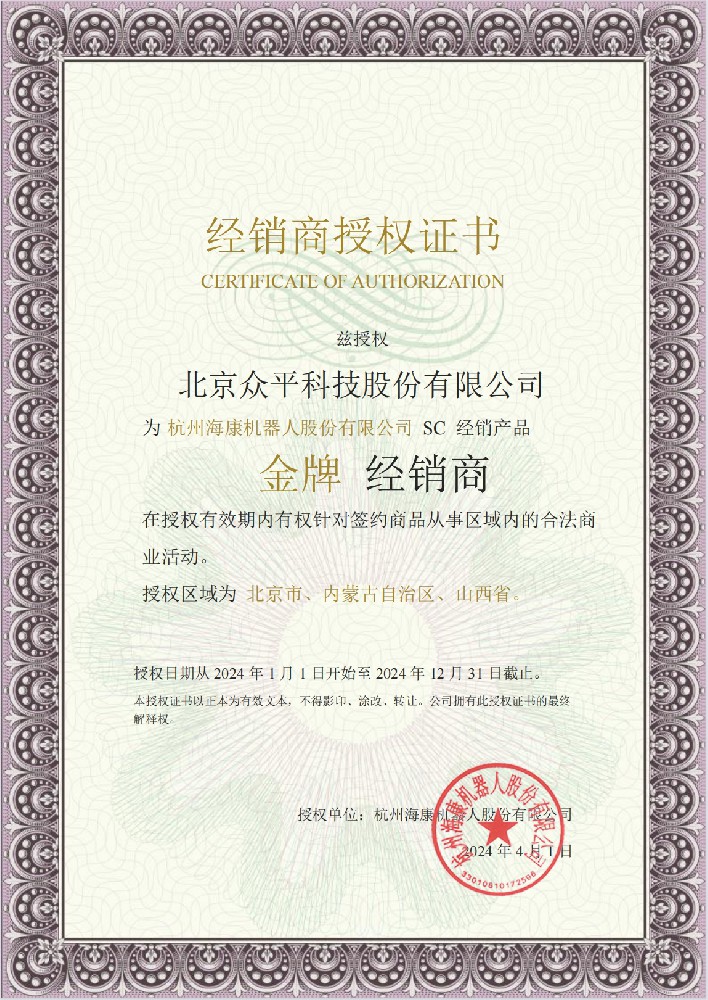
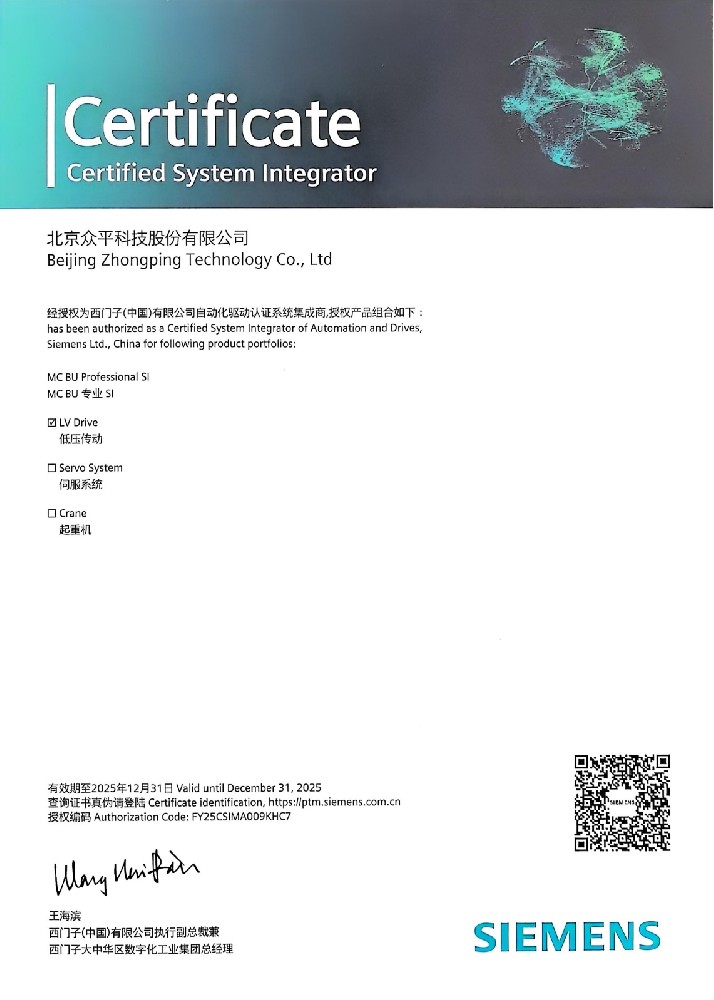
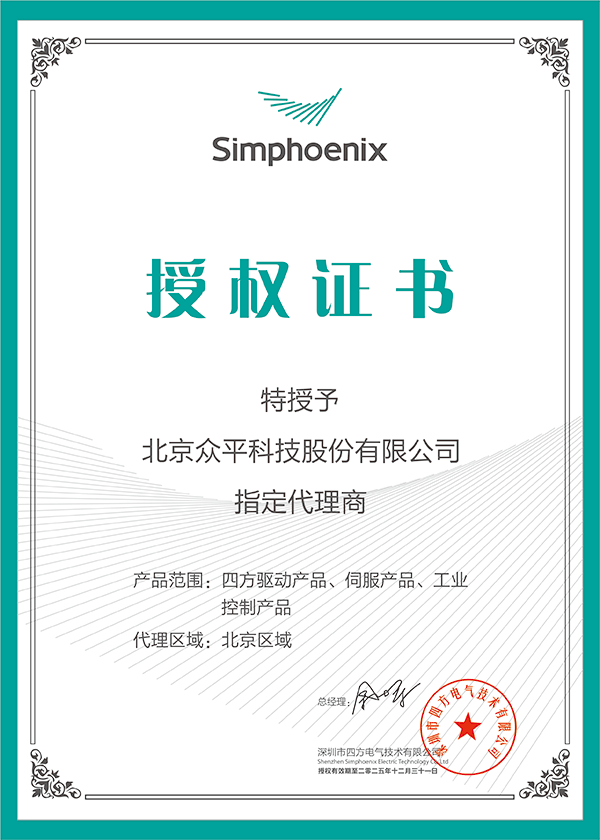
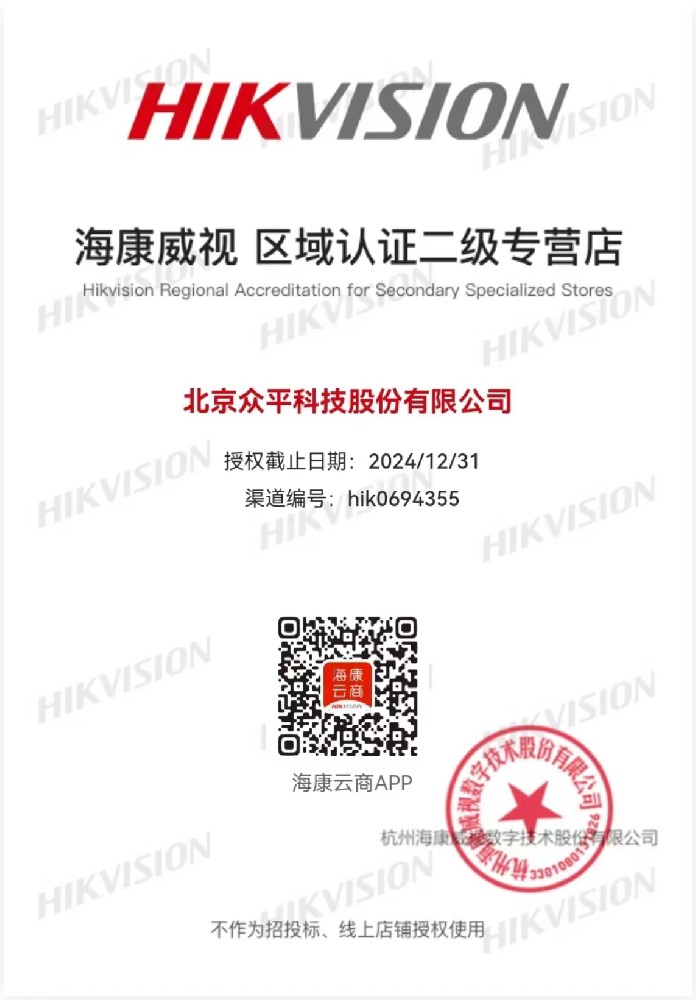
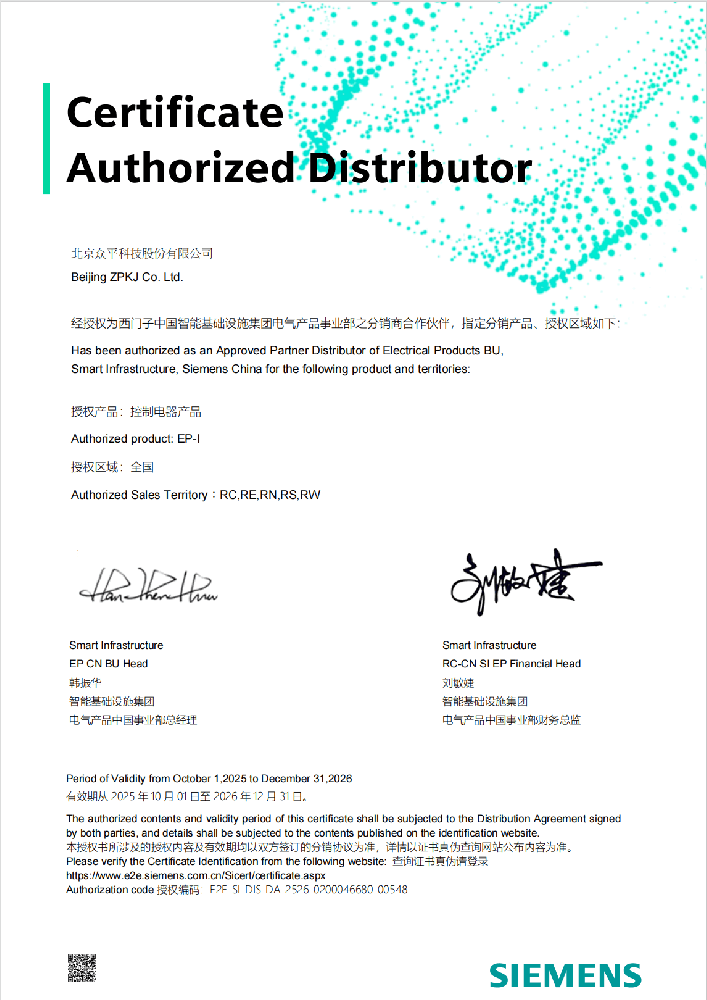
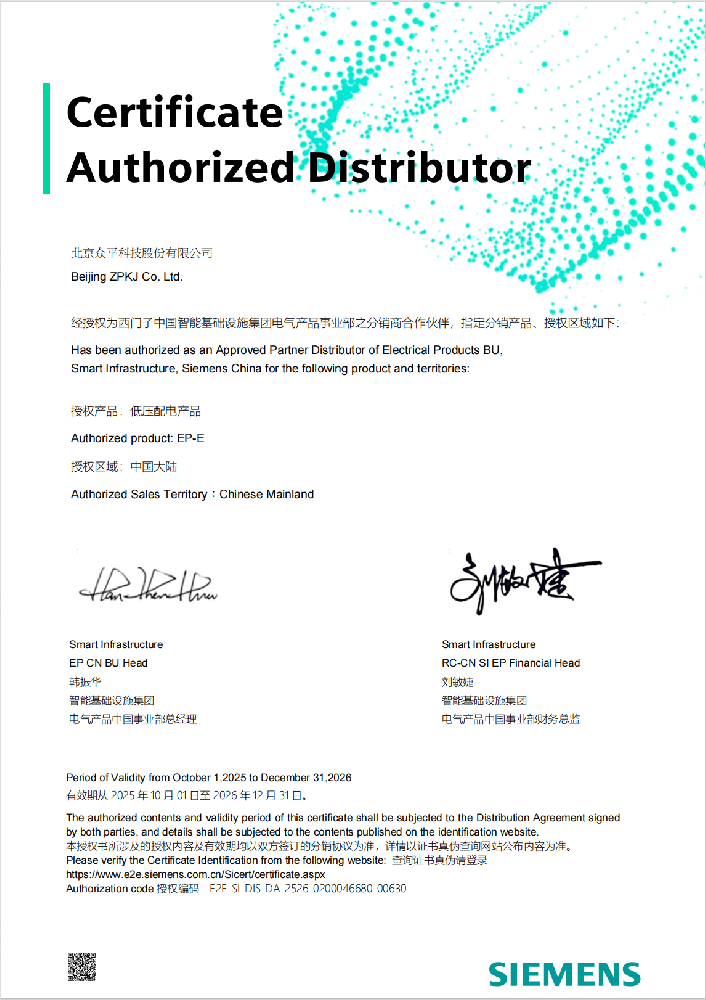
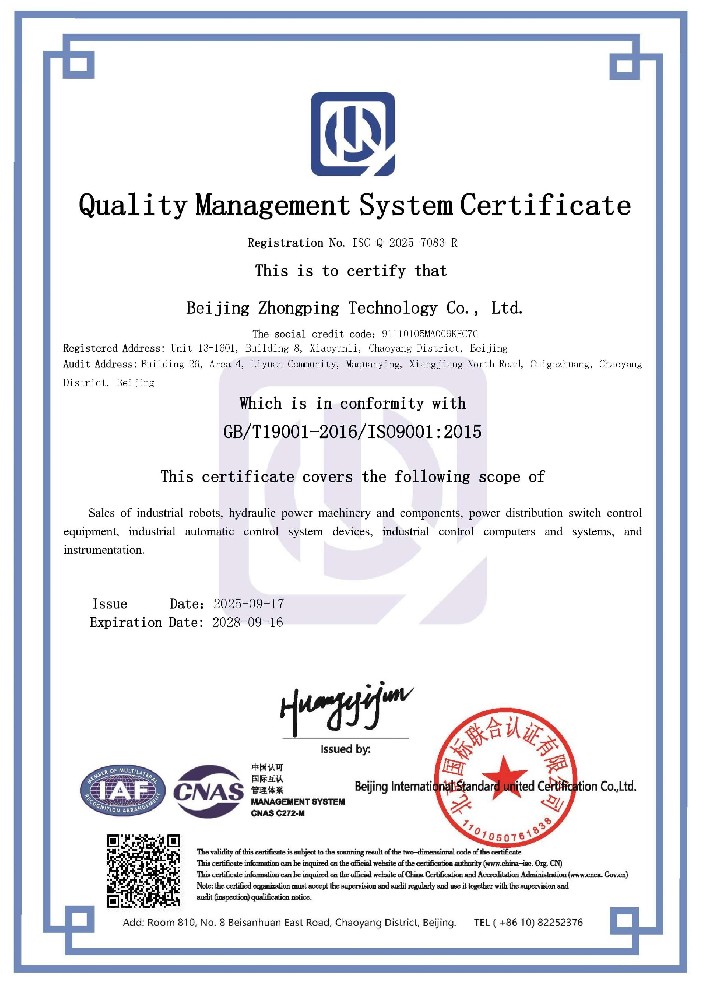
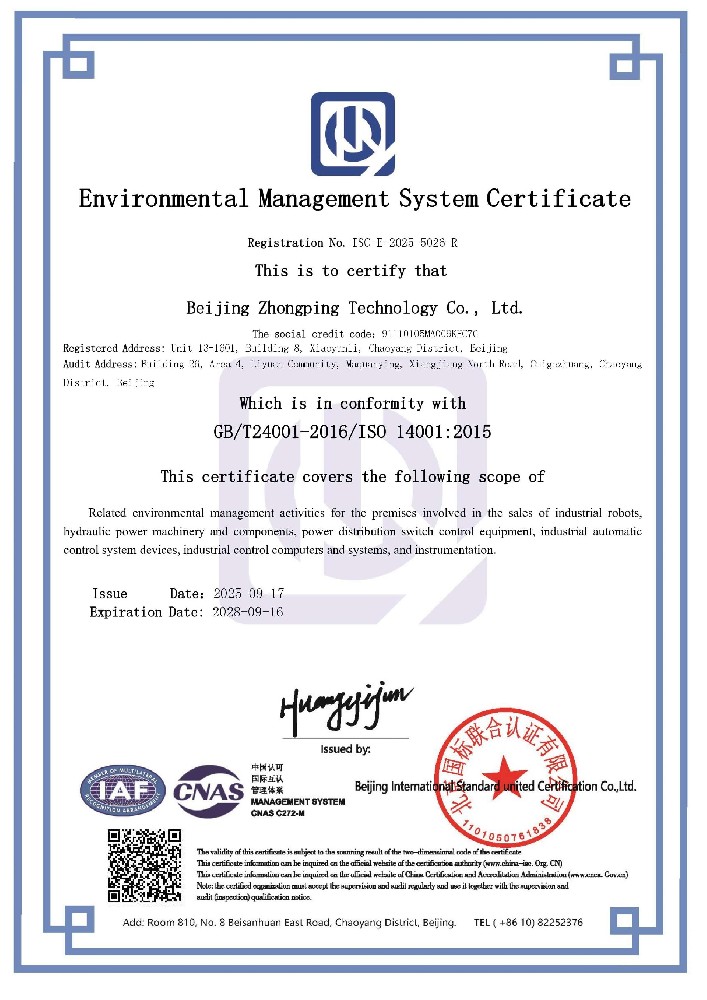
Beijing Zhongping Technology Co., LTD., is a one-stop integrated service provider of intelligent manufacturing, belongs to the Gong Doctor Group, is a scientific research, design, marketing, technical services, industrial Internet, international import and export services as one of the science and technology companies.
2.What can you buy from us?
PLC, inverter, human-machine interface, hydraulic products, low-voltage power distribution, industrial robots and core components
3.Is the item in stock or need to be purchased from another supplier?
We have a large inventory of goods and have our own warehouse.
4.What advantages do we have over other suppliers?
Our company has a large amount of inventory and a number of warehouses, but also in the country's important industrial provinces and cities with offices and a number of overseas service points. To provide you with intelligent manufacturing one-stop comprehensive services, save efforts, labor and cost.
5.Can you provide 100% new original authentic products?
We only sell new original genuine, no renovation, no fake, only for the original factory original!
6.How long is the delivery time?
If there is a stock, it will take 2-3 working days to ship, if the quantity is large, it will take 5-7 working days after receiving the payment, if it is not a conventional model, it will take some time, we will inform you of the specific delivery time.
7.Is there technical support available?
Of course, we have a professional technical team that can help you solve technical problems.
8.How do we guarantee quality?
We have three processes to control the quality of goods.
1). Our engineers will inspect the production and quality control in the factory regularly.
2) Incoming materials shall be inspected by experienced purchasing engineers before they can be stored.
3). At least 2 people in the logistics department cross-check the goods to be sent before delivery.
9.Can you guarantee the safe and reliable delivery of your products?
Yes, we strictly adopt the international standard packing. We also use special packaging for dangerous goods, and refrigerated shipping for items with temperature requirements. Special item packaging and general cargo standard packaging requirements may incur additional costs.
10.How about the freight?
The cost depends on how you choose to get the goods. Express is usually the fastest but also the most expensive way. Sea freight is the best solution for large quantities of goods. The exact shipping cost depends on the purchase amount、quantity and weight of your order. Please feel free to contact us for more information.

 +86 010-64225983
 +8613811814778
 info@zhongpingtech.com
 Building 26, Liyuan Community, Chaoyang District, Beijing, China